
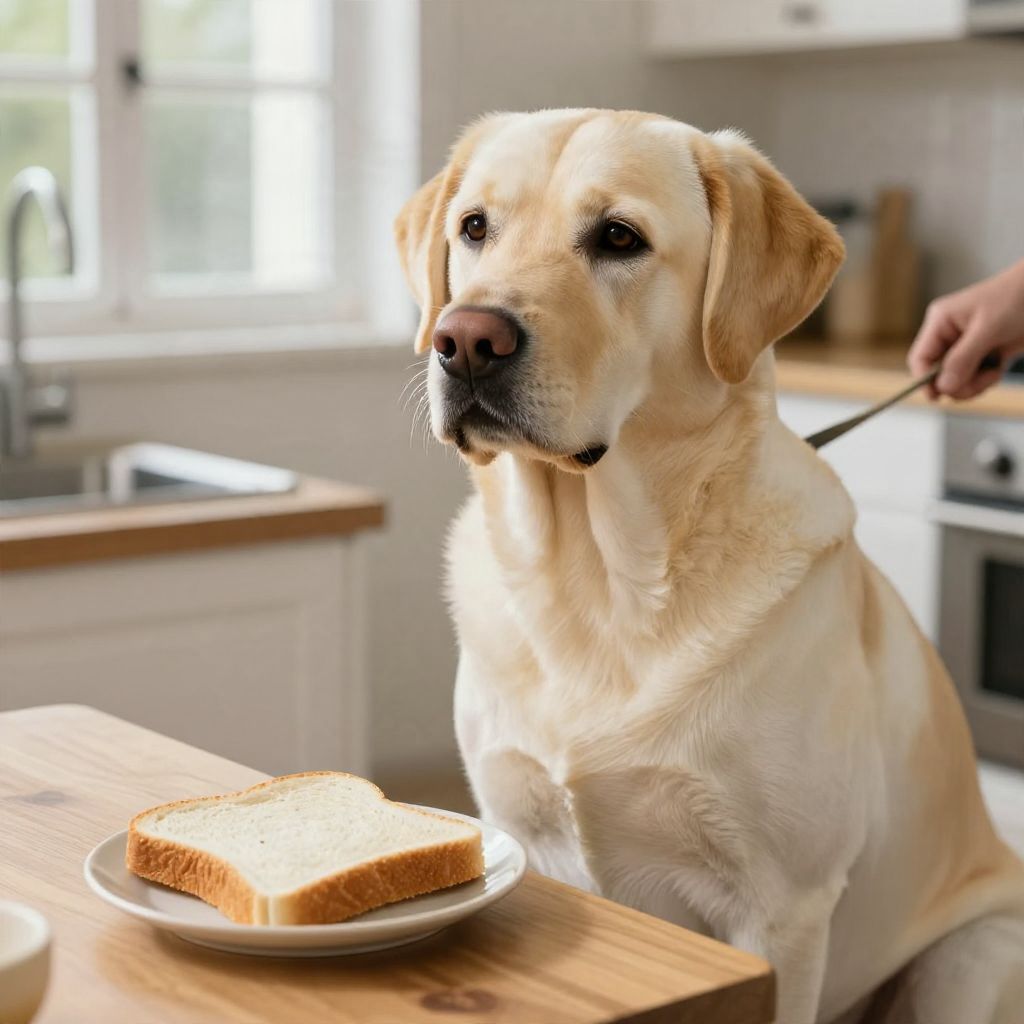
Can dog eat bread? In many cases, plain bread is not toxic to dogs, but it should only be an occasional treat. Bread adds little nutrition and can cause problems if it contains harmful ingredients, too much fat, sugar, or fillings.
The safest approach is to offer only a small amount of plain, fully baked bread and avoid flavored, sweetened, or stuffed varieties. If your dog has diabetes, weight issues, food allergies, or a sensitive stomach, ask your veterinarian before sharing any bread.
Can Dog Eat Bread?
Yes, most dogs can eat small amounts of plain bread as an occasional snack, but it is not a necessary or especially healthy food for dogs. Bread should never replace a balanced dog diet, and some types are unsafe because of ingredients like garlic, raisins, onions, chocolate, nuts, or xylitol.
When Bread Is Usually Safe for Dogs
Plain bread is generally safe when it is:
- Fully baked and not raw dough
- Plain, with no harmful add-ins
- Given in a small amount
- Offered only occasionally
Simple white or whole-grain bread is usually less concerning than bread with seeds, dried fruit, spices, cheese, or sweet toppings. Even then, “safe” does not mean “beneficial,” so keep portions modest.
Better choices than bread
If you want a treat, many dogs do better with a small piece of dog-safe fruit or a veterinary-approved snack. Bread is mostly refined carbohydrate, so it is easy to overfeed without providing much value.
Types of Bread That Can Be Dangerous
Some breads are risky because of the ingredients, not the bread itself. Avoid giving your dog any bread that contains:
- Garlic or onion, which can be harmful to dogs
- Raisins or currants, which can be dangerous even in small amounts
- Chocolate or cocoa
- Xylitol, an artificial sweetener that is highly toxic to dogs
- Macadamia nuts or other potentially problematic nuts
- Large amounts of butter, oil, cheese, or cream
- Spices or seasonings that upset the stomach
Specialty breads such as garlic bread, banana bread, cinnamon bread, and holiday breads deserve extra caution because they often contain ingredients that are unsafe or too rich for dogs.
Raw bread dough is an emergency
Do not give your dog raw bread dough, and seek urgent veterinary help if they eat it. Dough can expand in the stomach and may also ferment, creating alcohol and causing serious illness.
How Much Bread Can a Dog Eat?
There is no universal amount that fits every dog. A tiny piece may be fine for a healthy, medium-sized dog, while the same amount could be too much for a toy breed, a puppy, or a dog with a medical condition.
Use these practical limits:
- Keep bread to a small treat, not a meal
- Offer only plain bread with no toppings
- Reduce other treats that day if you share bread
- Stop if your dog gets gassy, itchy, or has loose stool
For dogs that need weight control, even small extras can matter. Bread is calorie-dense enough to add up quickly when given often.
Risks of Feeding Bread to Dogs
Most concerns come from overfeeding, poor ingredient choices, or a dog’s individual health needs. Common risks include digestive upset, excess calories, and exposure to harmful ingredients.
Digestive upset
Bread can cause vomiting, gas, bloating, or diarrhea in some dogs, especially if they are not used to it or if they eat a large amount. Dogs with sensitive stomachs may react more easily than others.
Weight gain and poor diet balance
Bread is not nutritionally complete for dogs. Frequent treats can crowd out the nutrients your dog should get from a balanced diet and may contribute to unwanted weight gain.
Food sensitivities
Some dogs are sensitive to wheat, gluten, or other ingredients often found in bread. Signs can include itchy skin, ear problems, soft stool, vomiting, or chronic digestive discomfort, though these signs can have many causes.
Choking or gulping
Dogs that swallow food quickly may try to gulp bread without chewing enough. Large, dry, or sticky pieces can be a choking risk, especially for small dogs or dogs that eat too fast.
Can Puppies Eat Bread?
Puppies can usually eat a tiny amount of plain bread, but they do not need it. Their digestive systems are still developing, so rich or heavily processed bread can upset their stomach more easily than it would in an adult dog.
If you do offer bread to a puppy, keep it very small and plain. Avoid using bread as a frequent training reward, because puppies benefit more from a complete puppy diet and age-appropriate treats.
Can Senior Dogs Eat Bread?
Older dogs may be more likely to have weight issues, dental problems, diabetes, or digestive sensitivity, so bread should be offered with extra caution. A soft piece may be easier to chew, but it still should be limited.
If your senior dog has reduced appetite, bad teeth, or chronic illness, ask your veterinarian whether bread is appropriate. What seems harmless in a healthy adult dog may not be a good fit for an older dog with medical needs.
Dogs With Health Conditions: Extra Caution Needed
Some dogs should avoid bread or only have it with veterinary approval. This is especially important if your dog has:
- Diabetes
- Obesity or a weight-management plan
- Pancreatitis history
- Food allergies or suspected sensitivities
- Chronic gastrointestinal disease
- Kidney, liver, or other ongoing medical issues
For these dogs, even a small treat can matter. Your veterinarian can help you choose safer snack options that fit your dog’s specific needs.
What to Do If Your Dog Ate Bread
If your dog ate a small amount of plain bread, they will often be fine. Monitor them for stomach upset, and make sure they have access to fresh water.
Take action right away if the bread contained unsafe ingredients or if your dog ate a large amount. Contact your veterinarian or an emergency clinic if you are unsure what was in the bread.
Call a vet urgently if you notice:
- Repeated vomiting
- Severe diarrhea
- Swollen or painful abdomen
- Weakness, collapse, or trouble breathing
- Signs of choking
- Tremors, disorientation, or seizures
If raw dough was eaten, treat it as an emergency even if your dog seems normal at first.
How to Offer Bread Safely, If You Choose To
If you decide to share a little bread, keep it simple and controlled. The goal is to avoid turning bread into a habit or a substitute for proper treats.
- Choose plain bread with no harmful ingredients.
- Offer only a very small piece.
- Remove crusts or large chunks if your dog gulps food.
- Do not add butter, jam, garlic spread, or other toppings.
- Watch for vomiting, diarrhea, itching, or unusual behavior afterward.
If your dog gets frequent treats, consider using part of their kibble or a vet-approved snack instead of bread.
Common Mistakes to Avoid
Many bread-related problems happen when owners assume all bread is the same. These mistakes are easy to avoid:
- Giving bread with garlic, onion, raisins, or xylitol
- Feeding raw dough
- Using bread as a regular treat
- Giving large pieces to a dog that gulps food
- Assuming “a little” is safe for every dog
- Ignoring signs of digestive upset after eating bread
Remember that individual dogs vary. A food that causes no issue in one dog may be a problem for another, especially if the dog has allergies or a sensitive stomach.
Frequently Asked Concerns About Bread and Dogs
Is whole-grain bread better than white bread?
Whole-grain bread may have more fiber than white bread, but it is still not a necessary dog food. It can still be too calorie-heavy or contain ingredients that do not suit your dog.
Can dogs eat toast?
Plain toast is usually no more dangerous than plain bread, but it offers the same limited nutritional value. Avoid butter, garlic, cinnamon sugar, or other toppings.
Can dogs eat bread crust?
Plain crust is generally similar to the rest of the bread, but it can be harder to chew and may be a choking concern for some dogs. Keep the piece small.
Can bread help with an upset stomach?
Not reliably. Bread is not a treatment for vomiting, diarrhea, or nausea. If your dog has stomach upset, it is better to ask your veterinarian what feeding approach is appropriate.
Bottom Line: Can Dog Eat Bread?
Yes, most dogs can eat a small amount of plain bread occasionally, but bread should stay a minor treat, not a regular part of the diet. Avoid bread with unsafe ingredients, and never give raw dough. If your dog has health issues or ate something questionable, contact your veterinarian.
If you want to learn more about specific bread types, you may also find can dogs eat garlic bread and can dogs eat banana bread helpful for ingredient-specific safety questions.