
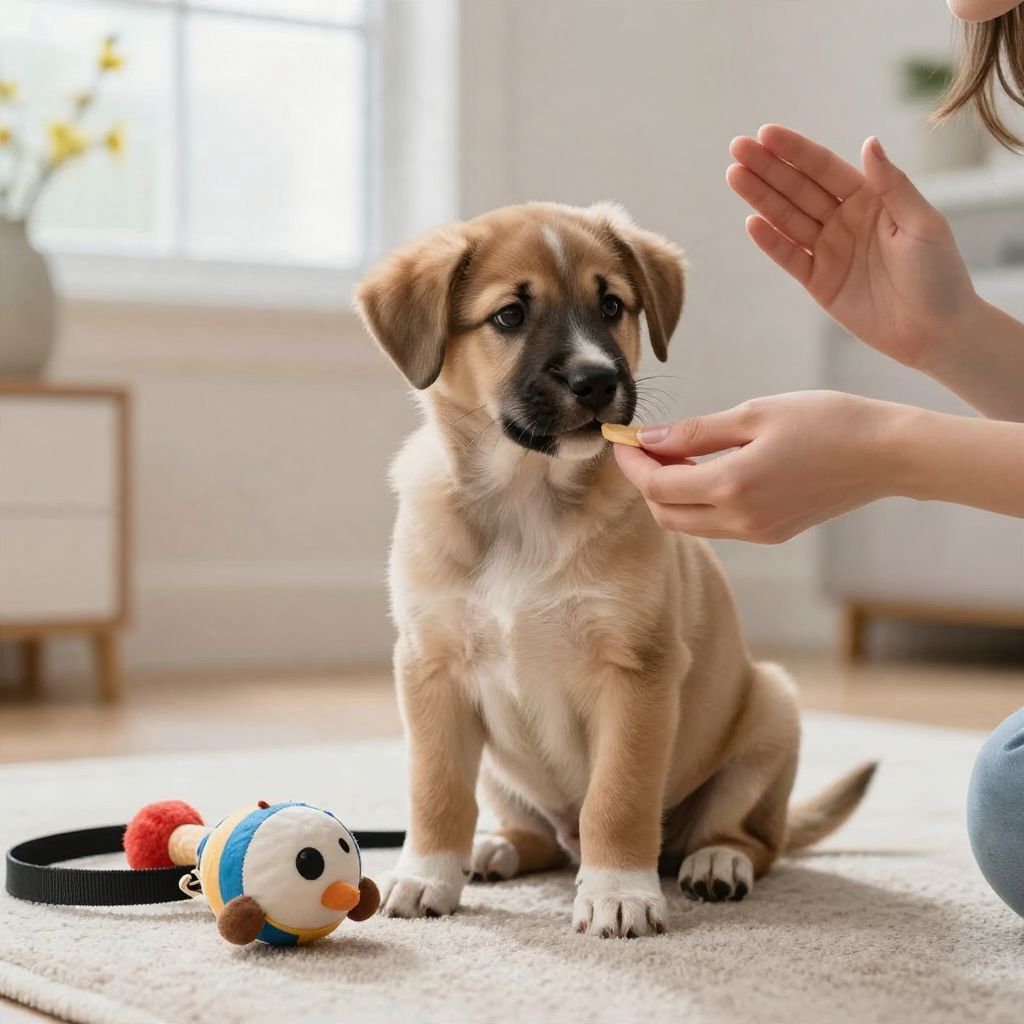
If you’re wondering when National Puppy Day is, the answer is simple: it’s observed every year on March 23. Many dog lovers use the day to celebrate puppies, promote adoption, and remind people about responsible care.
It’s also a good time to think about what puppies need most: safe socialization, vet care, training, and a home prepared for their age and energy level. If you’re bringing a puppy home or helping one thrive, a little planning goes a long way.
When Is National Puppy Day?
National Puppy Day is celebrated on March 23 each year. It’s a puppy-focused awareness day that highlights the joy puppies bring and encourages adoption, humane care, and responsible ownership. If you want to participate, you can celebrate by helping a puppy, supporting a shelter, or reviewing your own puppy-care routine.
What National Puppy Day Is For
National Puppy Day is more than a cute calendar date. It’s a chance to focus on the welfare of young dogs, especially the basics that shape lifelong health and behavior.
- Adoption awareness: Many people use the day to support shelters and rescues.
- Responsible ownership: Puppies need time, patience, and consistent care.
- Education: New owners can learn about vaccination, training, nutrition, and socialization.
- Prevention: Good early care can reduce behavior and health problems later.
How to Celebrate National Puppy Day Responsibly
Celebration should always put the puppy’s needs first. A puppy-friendly day is calm, safe, and age-appropriate, not overwhelming.
Good ways to celebrate
- Donate supplies or money to a local shelter or rescue.
- Volunteer to help with adoption events if the organization needs support.
- Share accurate adoption and puppy-care information with friends.
- Spend extra time on gentle play, training, and rest.
- Book a wellness visit if your puppy is due for one.
What to avoid
- Do not assume every puppy wants constant handling or crowds.
- Avoid loud parties, rough play, or too many new people at once.
- Do not use the day to introduce unsafe foods or risky activities.
- Never force interaction with children, other dogs, or strangers.
Why Puppy Care Matters So Much Early On
The puppy stage is a sensitive period for learning and development, but every puppy is different. Breed, size, health, early experiences, and temperament can all affect how quickly a puppy settles, learns, and adapts.
That means there is no one-size-fits-all schedule for training or socialization. Some puppies are bold and curious, while others are cautious and need more gradual exposure.
Core priorities for a young puppy
- Veterinary care: vaccinations, parasite prevention, and routine checkups.
- Safe socialization: positive exposure to people, sounds, surfaces, and other animals.
- House training: frequent outings, supervision, and reward-based learning.
- Basic manners: gentle leash skills, bite inhibition, and settling calmly.
- Rest: puppies need plenty of sleep and quiet downtime.
Practical Puppy Care Tips Around National Puppy Day
If you’re caring for a puppy, this holiday is a useful checkpoint. You can review the basics and make sure your puppy’s environment supports healthy development.
1. Make the home safe
Puppies explore with their mouths and paws, so puppy-proofing matters. Remove hazards before they become emergencies.
- Keep medications, cleaning products, and small objects out of reach.
- Store shoes, cords, and toys safely.
- Block access to stairs or unsafe areas if needed.
- Use an appropriately sized crate, pen, or gated space for supervision.
2. Keep training short and positive
Young puppies learn best through repetition, rewards, and consistency. Short sessions are often more effective than long ones.
- Reward behaviors you want, such as coming when called or sitting politely.
- Use treats, praise, toys, or access to something the puppy enjoys.
- Keep sessions brief so the puppy stays engaged.
- Stop before the puppy becomes overstimulated or tired.
3. Prioritize safe socialization
Socialization is not the same as “meeting everyone.” It means helping a puppy feel comfortable with everyday experiences in a controlled way.
- Introduce new sights and sounds gradually.
- Let the puppy observe from a distance when needed.
- Pair new experiences with treats and calm praise.
- Do not flood a shy puppy with too much at once.
4. Protect health with veterinary guidance
Your veterinarian can help you time vaccines, parasite prevention, and wellness checks based on your puppy’s age, location, and risk factors. If you’re unsure what your puppy needs next, ask rather than guessing.
If you want a broader timeline for early puppy health care, see when puppies get shots.
Common Mistakes New Puppy Owners Make
National Puppy Day is a good reminder that enthusiasm alone is not enough. Puppies need structure, and a few common mistakes can slow progress or create stress.
- Too much freedom too soon: unsupervised access can lead to accidents and bad habits.
- Inconsistent rules: mixed messages make training harder.
- Overtiring the puppy: too much activity can lead to crankiness and poor behavior.
- Skipping socialization: missed early experiences can make later life harder.
- Using punishment: fear-based methods can damage trust and worsen behavior.
When a Puppy’s Behavior Needs Extra Help
Some puppy behaviors are normal, such as chewing, nipping, and bursts of high energy. But if a behavior is intense, persistent, or getting worse, it may be worth professional help.
Consider a certified trainer or veterinary behaviorist if your puppy:
- shows extreme fear or panic in normal situations
- cannot settle even with rest and structure
- bites hard or frequently despite management and training
- shows aggression toward people or other animals
- has trouble eating, sleeping, or functioning because of anxiety
Choose humane, reward-based professionals. Avoid anyone who relies on intimidation, pain, or “dominance” explanations for normal puppy behavior.
Health Warning Signs You Should Not Ignore
National Puppy Day is not just about fun; it’s also a reminder to watch for signs that a puppy may need veterinary care. Puppies can decline quickly, so don’t wait if something seems wrong.
Call your veterinarian promptly for:
- vomiting or diarrhea that continues or seems severe
- loss of appetite, especially if paired with lethargy
- coughing, sneezing, or breathing changes
- limping, pain, or trouble standing
- itching, swelling, or skin problems that worsen
- possible exposure to toxins, foreign objects, or parasites
Seek urgent veterinary care right away for:
- trouble breathing
- collapse, seizures, or unresponsiveness
- bloated abdomen or repeated unproductive retching
- suspected poisoning
- major bleeding or a serious injury
- inability to urinate or severe straining
Do not try to manage emergency symptoms at home. A veterinarian is the right person to assess the cause and treat it safely.
How Age Affects Puppy Care
People often ask about puppies as if all young dogs need the same thing, but age matters. A very young puppy, a newly adopted adolescent, and a nearly adult dog may all need different levels of supervision, exercise, and training.
- Very young puppies: need frequent potty breaks, lots of sleep, and close supervision.
- Older puppies: may have more stamina but still need structure and consistency.
- Different breeds and sizes: can mature at different rates, so your puppy’s needs may vary.
If you’re also wondering about early mobility, this guide may help: when puppies start walking.
Simple Ways to Make the Day Meaningful
You do not need a big event to honor National Puppy Day. Small, thoughtful actions often help most.
- Check whether your puppy’s vaccines and wellness care are up to date.
- Review your training plan and keep it reward-based.
- Refresh your puppy-proofing at home.
- Give your puppy a calm enrichment activity, such as a food puzzle or sniffing game.
- Support a shelter, rescue, or foster network if you can.
Final Takeaway
National Puppy Day is on March 23, and it’s a great reminder to celebrate puppies in ways that support their health and confidence. Keep the day safe, positive, and age-appropriate, and contact your veterinarian if your puppy shows any concerning symptoms or behavior changes.
If you want to keep learning about puppy care, the related guides above can help you plan for vaccines and early development with confidence.