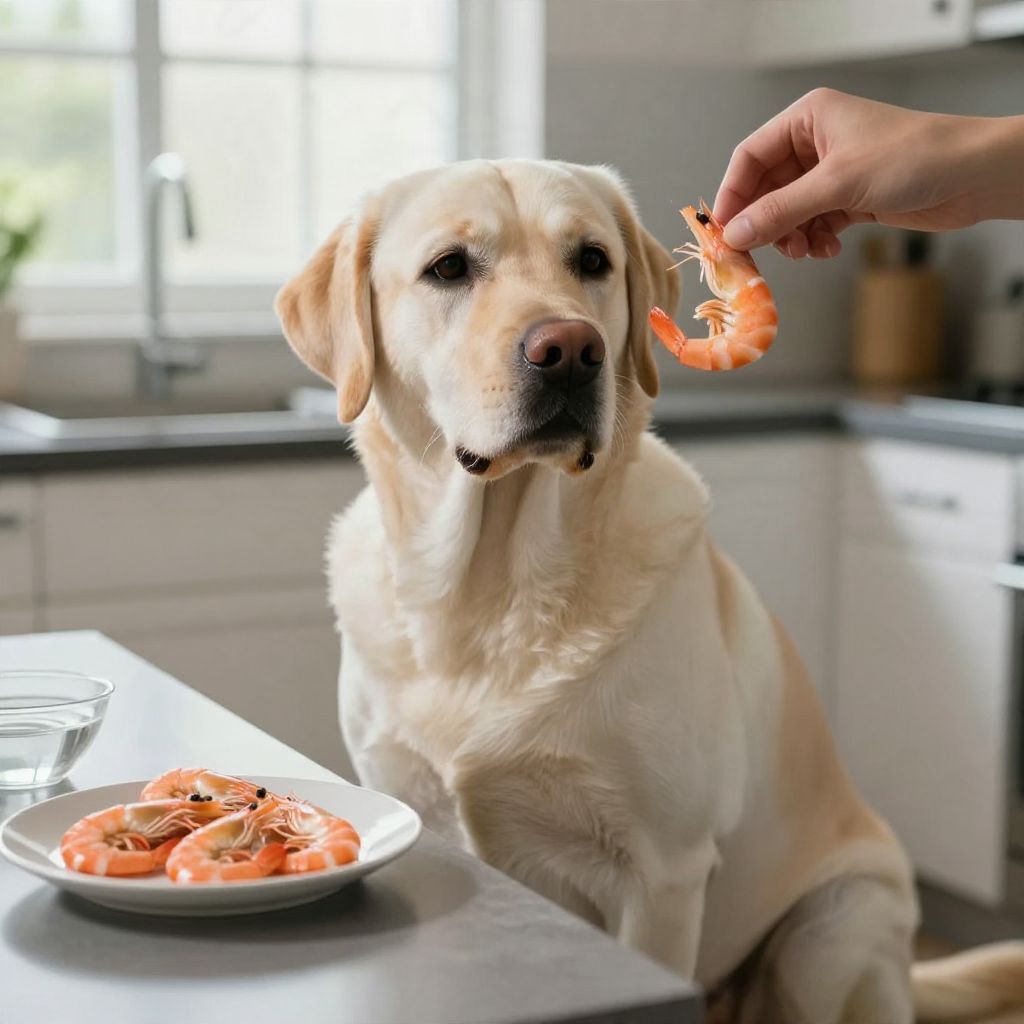
Is shrimp good for dogs? In many cases, yes—plain, fully cooked shrimp can be a safe occasional treat for healthy dogs. It should be served without seasoning, butter, garlic, onion, or shell, and only in small amounts.
That said, shrimp is not right for every dog. Dogs with food allergies, sensitive stomachs, pancreatitis, or a history of dietary upset may need to avoid it, so it’s smart to check with your veterinarian if you’re unsure.
Is shrimp good for dogs?
Yes, plain cooked shrimp can be a safe occasional treat for many dogs. It should be peeled, deveined, and served without seasoning or added fats. Shrimp is not a complete diet, and some dogs should avoid it because of allergies, digestive sensitivity, or other health issues.
When shrimp can be a safe treat
Shrimp is often tolerated well when it is prepared simply and given in moderation. It is best treated as a small snack, not a regular food or meal replacement.
Safer ways to offer shrimp
- Use plain, fully cooked shrimp.
- Remove the shell, tail, and any hard pieces.
- Devein it if needed.
- Serve it unseasoned, without sauces, butter, oil, or spices.
- Cut it into small pieces for easier chewing and safer swallowing.
If your dog is new to shrimp, start with a very small amount and watch for digestive upset. Some dogs do fine, while others may not tolerate seafood well.
Why shrimp can be appealing for dogs
Shrimp is a lean protein source, and many dogs enjoy the taste and texture. It can be useful as an occasional high-value treat during training if your dog already tolerates it well.
Even so, “healthy” does not mean “necessary.” Dogs do not need shrimp to meet their nutritional needs, and too much can crowd out balanced dog food or add unnecessary calories.
Risks and safety concerns to know about
The main concern with shrimp is usually not the shrimp itself, but how it is prepared or how a particular dog reacts to it. Some risks are mild, while others can be urgent.
Seasonings and added ingredients
Many shrimp dishes contain ingredients that are unsafe for dogs, especially garlic, onion, heavy salt, butter, oil, chili, and rich sauces. These can cause stomach upset and, in some cases, more serious health problems.
Shells, tails, and choking hazards
Shrimp shells and tails can be hard to chew and may pose a choking risk or irritate the digestive tract. Large pieces can also be difficult for small dogs or dogs that gulp food quickly.
Food allergies or sensitivities
Some dogs are sensitive to seafood. Signs may include itching, ear problems, vomiting, diarrhea, gas, or licking the paws more than usual. If these signs appear after shrimp, stop feeding it and ask your veterinarian for guidance.
Raw or undercooked shrimp
Raw or undercooked shrimp is not a good choice for dogs because it can carry harmful bacteria or parasites. Cooking reduces this risk, but the shrimp still needs to be plain and properly handled.
How much shrimp can dogs have?
The right amount depends on your dog’s size, daily calorie needs, and overall health. Shrimp should only make up a very small part of the diet, and treats of any kind should stay limited.
- Tiny dogs: a small bite or one small shrimp piece may be enough.
- Medium dogs: a few small pieces may be appropriate as an occasional treat.
- Large dogs: they may handle a little more, but still only as a small snack.
A good rule is to keep treats, including shrimp, to a small portion of the day’s intake. If your dog already gets many treats, table scraps, or chews, shrimp should be even more limited.
Dogs who should avoid shrimp or get veterinary advice first
Some dogs may need to skip shrimp entirely. Others may be able to have it, but only after you check with a veterinarian.
- Dogs with known or suspected food allergies
- Dogs with sensitive stomachs or frequent vomiting/diarrhea
- Dogs with pancreatitis or a history of fatty-food intolerance
- Dogs on a prescription diet for medical reasons
- Dogs recovering from digestive illness or surgery
- Puppies with immature digestive systems or a history of stomach upset
Breed alone does not decide whether shrimp is safe. Individual health history matters more than breed label, so your veterinarian’s advice is the best guide for your dog.
What to do if your dog ate shrimp by mistake
If your dog stole a plain cooked shrimp, they will often be fine, but you should still monitor them closely. If the shrimp was seasoned, raw, shell-on, or part of a rich dish, the risk is higher.
- Check whether the shrimp had garlic, onion, heavy salt, butter, or sauce.
- See whether shells, tails, skewers, or toothpicks were involved.
- Watch for vomiting, diarrhea, drooling, belly pain, coughing, choking, or trouble swallowing.
- Contact your veterinarian if your dog has symptoms or ate a large amount.
Seek urgent veterinary care right away if your dog is choking, has trouble breathing, collapses, has repeated vomiting, a swollen abdomen, severe pain, or seems weak, disoriented, or unable to keep water down.
How to prepare shrimp for dogs the right way
If you want to share shrimp safely, preparation matters more than the ingredient itself. Simple cooking and careful serving reduce the chance of problems.
Best preparation steps
- Cook the shrimp thoroughly.
- Use plain water or a dog-safe cooking method with no seasoning.
- Remove shell, tail, and any hard or sharp pieces.
- Let it cool before serving.
- Offer only a small piece at first.
Do not feed shrimp from restaurant dishes, fried foods, sushi rolls, or creamy seafood recipes. Those often contain ingredients that are not safe or are too rich for dogs.
Signs shrimp did not agree with your dog
Some dogs show digestive upset soon after eating shrimp, while others may react later. Mild signs can pass on their own, but persistent or severe symptoms need veterinary attention.
- Vomiting
- Diarrhea
- Excess gas
- Loss of appetite
- Itching or skin redness
- Ear scratching or head shaking
- Belly discomfort
If symptoms are mild, stop feeding shrimp and contact your vet if they continue or worsen. If your dog shows signs of an allergic reaction such as facial swelling, hives, or breathing trouble, treat it as an emergency.
Common mistakes to avoid
Many shrimp-related problems happen because the food is shared in the wrong form. Avoid these common mistakes to keep your dog safer.
- Giving shrimp cooked with garlic, onion, or spices
- Feeding shrimp shells or tails
- Offering fried shrimp or breaded shrimp
- Using shrimp as a meal replacement
- Giving too much too quickly
- Ignoring vomiting or diarrhea after a new food
If you are trying new foods often, keep a simple record of what your dog ate and how they reacted. That can help your veterinarian spot patterns if stomach or skin issues develop.
Is shrimp good for puppies?
Puppies can be more sensitive to dietary changes than adult dogs, so shrimp is not the best first choice for a young dog. If you do offer it, keep it very plain, very small, and infrequent.
Because puppies are still growing, their main nutrition should come from a complete puppy food. If your puppy has a delicate stomach or any history of diarrhea, ask your veterinarian before introducing shrimp.
What about senior dogs?
Senior dogs may enjoy shrimp, but age-related health issues can change what is safe. Older dogs may have dental problems, kidney concerns, digestive sensitivity, or other conditions that make rich or unfamiliar foods less suitable.
If your senior dog has a special diet or chronic illness, check with your veterinarian before offering shrimp. Small, soft pieces are easier to chew and may be better tolerated than large or chewy pieces.
The bottom line
So, is shrimp good for dogs? It can be, as long as it is plain, fully cooked, and served in small amounts. Avoid shells, seasoning, and rich preparations, and stop if your dog shows any signs of stomach upset or allergy. When in doubt, ask your veterinarian before sharing seafood.
If you want to compare shrimp with other seafood choices, you may also find it helpful to read whether shrimp is bad for dogs and whether dogs can eat sushi.