
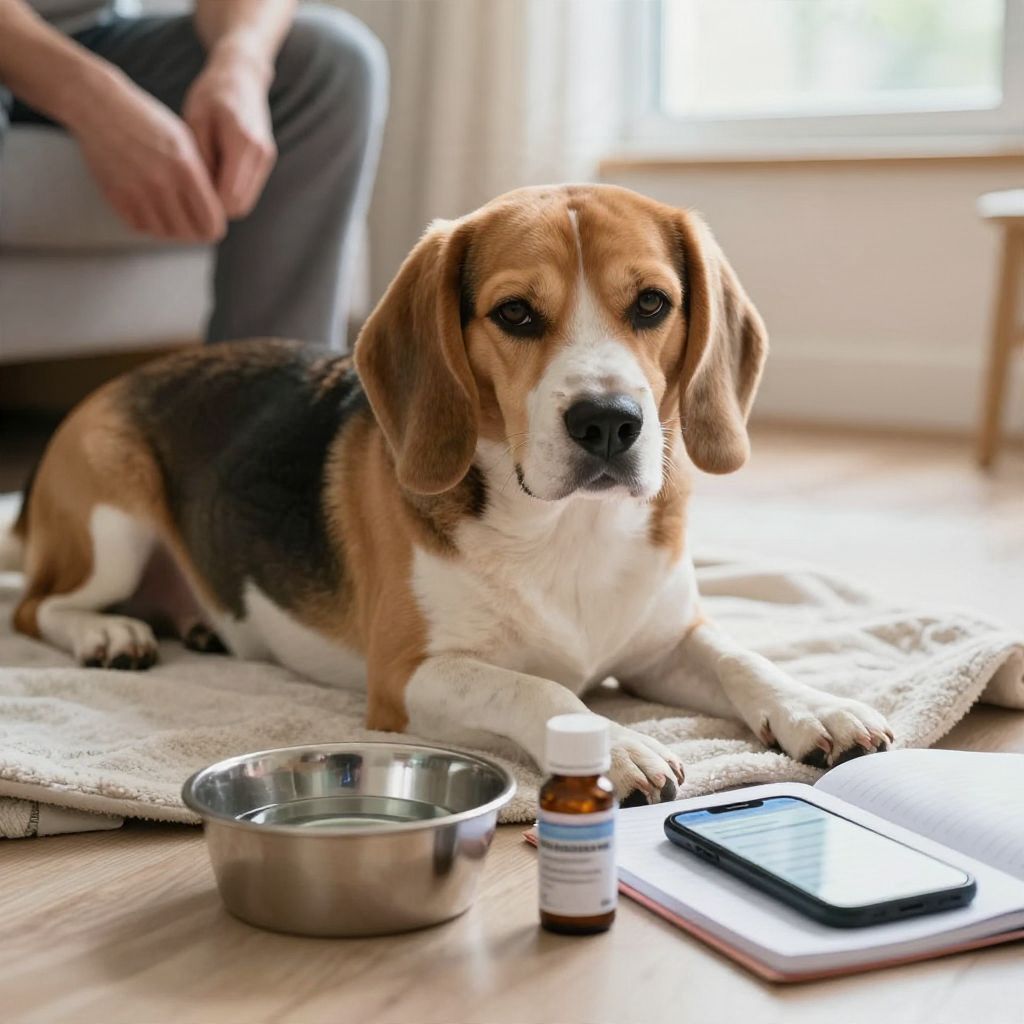
If you’re wondering how to treat anemia in dogs at home, the safest answer is that home care can only support recovery, not replace veterinary treatment. Anemia can be caused by blood loss, parasites, immune disease, toxins, or chronic illness, and some causes are emergencies.
Your main job is to watch for warning signs, keep your dog calm and hydrated, and get a vet diagnosis quickly. The right treatment depends on the cause, so home steps should focus on support, monitoring, and preventing the problem from worsening.
How To Treat Anemia In Dogs At Home?
You can support an anemic dog at home by resting them, offering water and a balanced diet, checking for bleeding or parasites, and arranging prompt veterinary care. Do not try to diagnose or treat the cause yourself, because anemia can become life-threatening and often needs tests and targeted treatment.
What anemia in dogs means
Anemia means your dog has too few red blood cells, too little hemoglobin, or both. Red blood cells carry oxygen, so an anemic dog may seem weak, tired, or unusually pale.
It is not a single disease. It is a sign that something else is going on, such as blood loss, destruction of red blood cells, poor production in the bone marrow, parasites, or long-term illness.
Signs you may notice at home
Some dogs show obvious symptoms, while others only seem “off.” The severity can vary based on the cause, how quickly anemia developed, your dog’s age, and any other health problems.
- Pale, white, or gray-looking gums
- Weakness or low energy
- Rapid breathing or panting at rest
- Fast heart rate
- Reduced appetite
- Exercise intolerance
- Collapse or trouble standing in severe cases
Red flags that need urgent veterinary care
Go to an emergency vet right away if your dog has pale gums plus collapse, trouble breathing, a swollen belly, black or bloody stool, vomiting blood, known toxin exposure, or suspected trauma. These can signal severe blood loss or another emergency.
What you can do at home right away
Home care is about stabilization and observation while you arrange veterinary help. These steps are practical, but they are not a substitute for diagnosis.
- Keep your dog quiet and rested. Limit running, stairs, rough play, and long walks.
- Check gum color. Lift the lip and look at the gums in good light. Healthy gums are usually pink, though some dogs naturally have pigmented gums in places.
- Look for bleeding. Check for nosebleeds, bleeding from the mouth, blood in urine, black stool, or wounds.
- Offer fresh water. Dehydration can make weakness worse, but do not force water into a dog who is nauseated or struggling to breathe.
- Keep your dog warm and calm. A quiet, comfortable space reduces stress and helps conserve energy.
- Arrange a vet visit quickly. Even if your dog seems stable, anemia needs a professional workup.
What not to do at home
Some well-meaning home actions can delay proper care or make things worse. Avoid guessing at the cause or trying to “boost blood” with random supplements.
- Do not give human iron pills, vitamins, or pain relievers unless your veterinarian specifically tells you to.
- Do not use leftover medications from another pet or person.
- Do not assume pale gums are just from tiredness or age.
- Do not wait for “tomorrow” if your dog is weak, breathing hard, or collapsing.
- Do not rely on internet remedies for internal bleeding, immune disease, or toxin exposure.
Food and nutrition support while you wait for the vet
Nutrition can help support recovery, but it will not fix the underlying cause of anemia. If your dog is eating, offer their regular balanced food unless your veterinarian has recommended something different.
If appetite is low, try small, frequent meals and make the food more appealing by warming it slightly or adding a little warm water. Keep changes gentle, especially for puppies, seniors, and dogs with sensitive stomachs.
Helpful nutrition habits
- Use a complete and balanced dog food appropriate for your dog’s life stage.
- Encourage eating with small, frequent meals if your dog is nauseated or tired.
- Keep treats modest so they do not replace meals.
- Ask your vet before adding iron-rich foods or supplements.
Some dog owners ask about liver, red meat, eggs, or other human foods. These foods may be safe in small, plain portions for some dogs, but they are not a treatment for anemia and can cause digestive upset if overused. Your veterinarian can tell you whether a diet change makes sense for your dog’s specific condition.
Why anemia happens: common causes your vet will look for
The right treatment depends on the cause. That is why home treatment alone is usually not enough.
- Blood loss: injury, surgery, ulcers, parasites, or internal bleeding
- Parasites: fleas, ticks, hookworms, or other blood-feeding parasites
- Immune-mediated disease: the body destroys its own red blood cells
- Bone marrow problems: reduced production of red blood cells
- Chronic disease: kidney disease, inflammation, cancer, or other long-term illness
- Toxins: some chemicals, medications, or foods can damage red blood cells
How your veterinarian may confirm the problem
Your vet may recommend a physical exam and blood tests to check red blood cell levels and look for the cause. Depending on the findings, they may also suggest parasite testing, imaging, or additional lab work.
This matters because a dog with anemia from fleas needs a different plan than a dog with immune disease or internal bleeding. Treating the wrong problem can waste precious time.
Home monitoring after diagnosis
Once your veterinarian has identified the cause, you may be able to help with recovery at home. The exact plan varies with your dog’s age, size, temperament, and medical history.
Practical monitoring tips
- Watch gum color daily if your vet asks you to monitor it.
- Track energy, appetite, breathing, and stool color.
- Keep follow-up appointments and repeat bloodwork as recommended.
- Use parasite prevention exactly as directed by your veterinarian.
- Keep your dog indoors or on leash if weakness makes them unsafe outside.
Special considerations for puppies, seniors, and small dogs
Puppies can become weak quickly because they have less reserve, and parasites can affect them more severely. Senior dogs may also have other illnesses that make anemia more complicated.
Small dogs may show signs sooner because even modest blood loss can affect them noticeably. Still, every dog is individual, so symptoms and severity do not always match body size in a predictable way.
Common mistakes dog owners make
When a dog looks tired or pale, it is easy to focus on the symptom instead of the cause. Avoid these common errors:
- Waiting to see if the dog “bounces back” on their own
- Giving supplements without veterinary guidance
- Ignoring possible flea or tick problems
- Overexercising a weak dog
- Missing subtle signs like faster breathing or reduced interest in food
When home care is reasonable and when it is not
Home support is reasonable only after you have contacted a veterinarian and your dog is stable enough to stay at home. If your dog is bright, breathing normally, and eating, your vet may advise rest and close observation while testing is arranged.
Home care is not enough if your dog has severe weakness, collapse, trouble breathing, black stool, active bleeding, or suspected poisoning. Those situations need urgent care now.
Preventing anemia from coming back
Prevention depends on the cause, but a few habits help many dogs. Regular parasite control, prompt treatment of wounds, and routine vet exams can catch problems earlier.
- Use flea, tick, and heartworm prevention as recommended by your vet.
- Seek care for vomiting, diarrhea, or any bleeding that does not stop quickly.
- Keep toxic substances and human medications out of reach.
- Schedule wellness checks, especially for seniors or dogs with chronic disease.
Bottom line
If you are asking how to treat anemia in dogs at home, the safest answer is to support your dog while getting veterinary help quickly. Rest, hydration, close monitoring, and parasite prevention can help, but the underlying cause must be identified and treated by a veterinarian.
If you want to learn more about related warning signs, you may also find what pale gums look like in dogs helpful, along with guidance on treating mange in dogs at home when skin parasites are part of the bigger picture.