
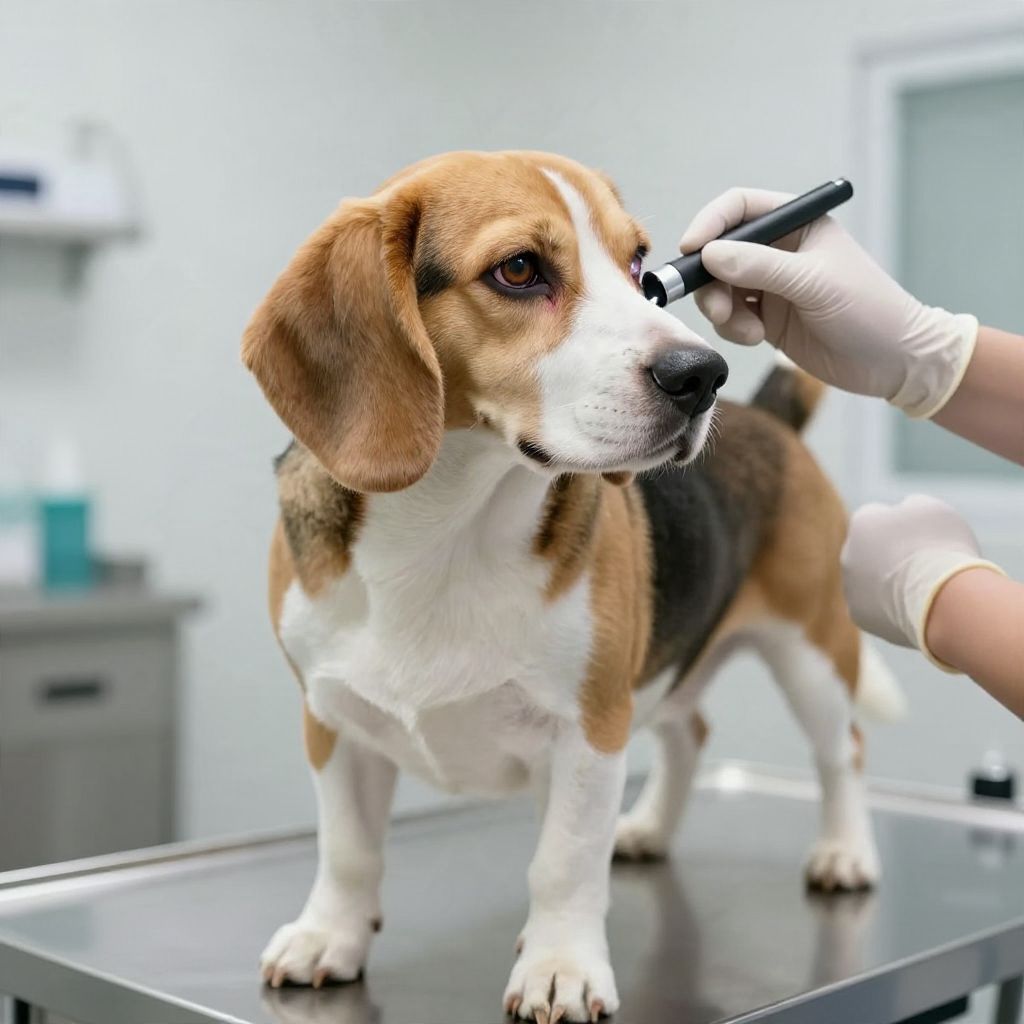
If you’ve noticed a swollen bump on your dog’s eyelid, you may be wondering: can dogs get styes? The short answer is yes, dogs can develop stye-like eyelid bumps, but other eye problems can look similar.
Because eye issues can worsen quickly, it’s important to watch for pain, discharge, squinting, or vision changes. Some mild cases improve with veterinary guidance, while others need prompt treatment to protect your dog’s eye health.
Can dogs get styes?
Yes, dogs can get styes, which are usually small, painful bumps on or near the eyelid caused by an inflamed or infected oil gland or eyelash follicle. However, not every eyelid lump is a stye, so a veterinarian should check any eye swelling, especially if it is red, painful, or affecting your dog’s vision.
What a stye in dogs may look like
A stye often appears as a localized bump on the eyelid edge or just under the skin of the lid. It may be red, tender, and slightly swollen, and your dog may paw at the eye or blink more than usual.
Common signs people notice include:
- Swelling of one eyelid
- A small red or yellowish bump
- Squinting or holding the eye partly closed
- Rubbing the face with a paw or on furniture
- Mild tearing or crusting
These signs can also happen with other conditions, such as a blocked gland, conjunctivitis, an ingrown eyelash, an insect bite, a scratch on the cornea, or a growth on the eyelid.
What causes stye-like eyelid bumps in dogs?
Stye-like bumps usually happen when a small gland or hair follicle becomes irritated, blocked, or infected. Sometimes the trigger is minor and temporary; other times it is linked to an underlying eye or skin problem that needs treatment.
Possible contributors
- Eye rubbing or face scratching
- Debris, dust, or irritants in the eye area
- Blocked eyelid glands
- Minor bacterial infection
- Allergies or skin inflammation
- Trauma from play, grooming, or rough contact
Some dogs may be more prone to eye irritation because of their facial structure, coat type, or a history of allergies. That does not mean a particular breed will definitely get styes, only that individual dogs with those features may need closer eye care.
When an eyelid bump is not “just a stye”
Many eye conditions can resemble a stye, and some are more serious than they first appear. A lump on the eyelid can be a chalazion, cyst, abscess, wart-like growth, or a tumor, and the eye itself may also be injured.
Contact your veterinarian soon if the bump:
- Lasts more than a day or two
- Gets larger, firmer, or more painful
- Starts draining pus or blood
- Causes ongoing squinting or rubbing
- Comes back repeatedly
Seek urgent veterinary care the same day if your dog has a cloudy eye, obvious pain, marked swelling, trouble opening the eye, a visible scratch, sudden vision problems, or if the eye looks distorted or bulging.
What you should do at home
For a mild eyelid bump, the safest first step is to prevent further irritation and arrange a veterinary exam if it does not improve quickly. Do not try to pop, squeeze, or lance the bump yourself.
- Stop your dog from rubbing the eye by using an e-collar if needed.
- Keep the eye area clean and dry.
- Use only a veterinarian-approved eye rinse if one is recommended.
- Monitor for changes in swelling, discharge, or discomfort.
- Schedule a vet visit if the bump persists or worsens.
Warm compresses are sometimes suggested for eyelid irritation, but only use them if your veterinarian agrees and your dog tolerates handling calmly. The compress should be gentle, clean, and never hot.
What not to do
Eye problems are easy to make worse with the wrong home care. Avoid these common mistakes:
- Do not squeeze the bump.
- Do not use human eye drops unless your vet specifically says they are safe.
- Do not use leftover antibiotic ointments or steroid products without guidance.
- Do not apply essential oils, alcohol, or peroxide near the eye.
- Do not wait if your dog seems painful or the eye changes quickly.
Because the eye is delicate, even small mistakes can delay healing or damage the cornea.
How veterinarians evaluate a suspected stye
Your veterinarian will usually examine the eyelids, the surface of the eye, and the surrounding skin. They may use a special dye to check for corneal scratches or look closely for an eyelash problem, blocked gland, infection, or growth.
Depending on what they find, your vet may recommend:
- Observation and recheck
- Prescription eye medication
- Cleaning or flushing the eye area
- Removal of a foreign body
- Testing or biopsy if a mass looks unusual
The right treatment depends on the cause, your dog’s comfort level, and whether the eye itself is involved.
Can puppies get styes?
Yes, puppies can get stye-like eyelid bumps too. Young dogs may be more likely to rub their faces during play, explore dusty areas, or pick up minor irritants, but any puppy eye swelling deserves attention because eye conditions can progress quickly.
If your puppy is squinting, tearing, or acting unusually sensitive around light, do not assume it is harmless. Puppies can also scratch their eyes during play or while exploring, and that can look similar to a stye at first.
Can older dogs get styes?
Older dogs can develop eyelid bumps as well. In senior dogs, a new lump on the eyelid may be more likely to need a veterinary exam because growths, gland problems, and chronic eye irritation become more common with age.
If your older dog already has dry eye, facial skin folds, or reduced grooming ability, eye irritation may be more frequent. Regular checkups are especially useful when a bump does not resolve promptly.
How to help prevent eyelid irritation
You cannot prevent every stye, but you can lower the chance of eye irritation and catch problems early.
- Keep facial hair trimmed if it irritates the eyes.
- Check for debris after outdoor play.
- Clean tear staining or crust gently with vet-approved products.
- Use a harness instead of a collar if neck pressure seems to bother the face or eyes.
- Address allergies, skin infections, or chronic eye discharge with your vet.
If your dog has recurring eye issues, ask your veterinarian whether an underlying condition such as allergies, dry eye, or eyelid anatomy is contributing.
When to call the vet right away
Some eye symptoms should never be watched at home for long. Call your veterinarian promptly, or seek urgent care, if you notice any of the following:
- Severe swelling around the eye
- Eye pain or constant squinting
- Cloudiness, redness, or a blue haze on the eye surface
- Thick yellow, green, or bloody discharge
- A visible scratch or puncture
- Sudden vision changes or bumping into objects
- Fever, lethargy, or your dog acting very unwell
These signs can point to more serious eye disease than a simple stye, and delays can put vision at risk.
Bottom line
Yes, dogs can get styes or stye-like eyelid bumps, but it is not safe to assume every bump is a stye. Watch for pain, discharge, squinting, or vision changes, and have your veterinarian examine any eye swelling that does not improve quickly or seems severe.
If you want to learn more about similar skin and eye bumps, you may also find this guide on dog styes and this article on dog pimples helpful.