
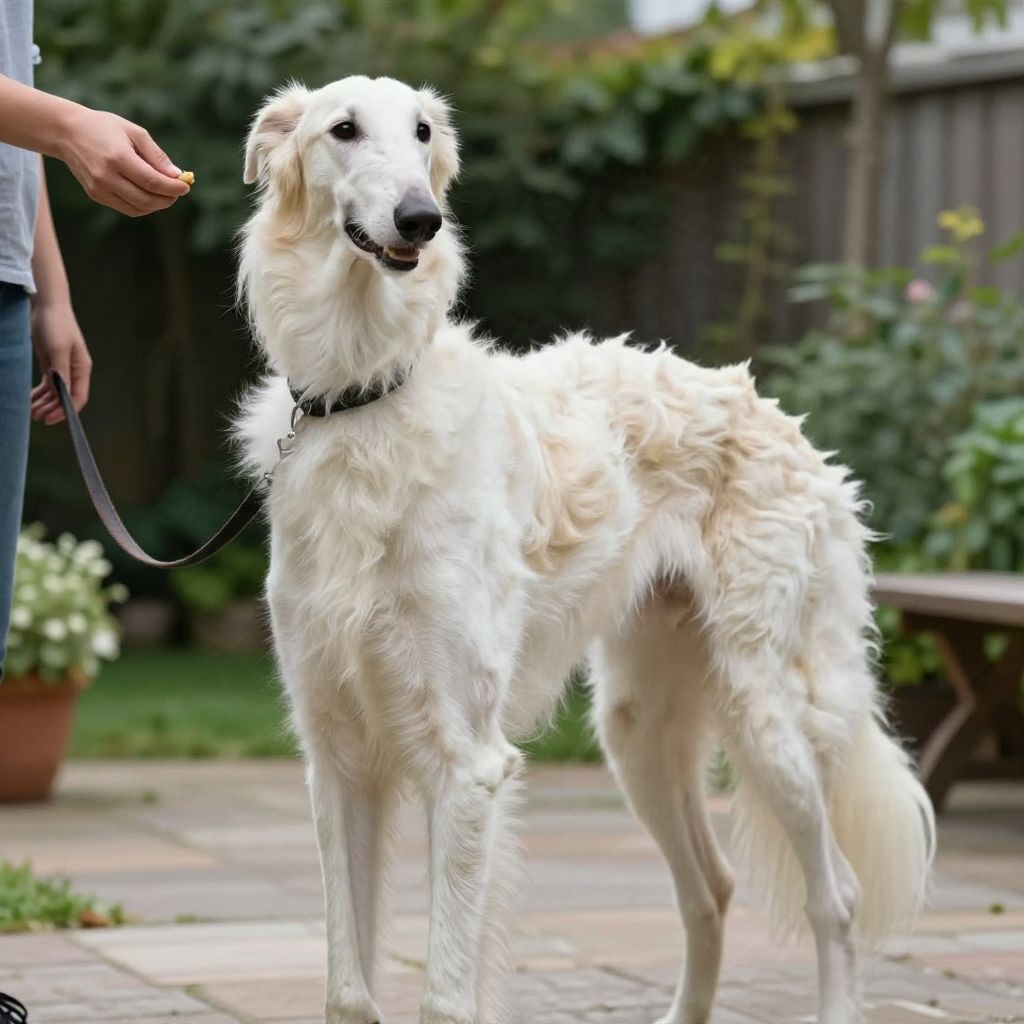
If you’re searching for the “Let Me Do It For You” dog breed, you’re probably trying to identify the dog behind the viral meme. The phrase is usually linked to a fluffy, expressive dog rather than a formal breed name, so the exact breed can vary depending on the image or video.
That said, people often associate the meme with small-to-medium companion breeds that have a soft coat, alert face, and a gentle, people-focused look. The best way to identify the breed is to compare visible traits, then consider temperament, grooming needs, and care requirements before assuming a specific breed.
What is the Let Me Do It For You dog breed?
There is no single official “Let Me Do It For You” dog breed. The meme usually refers to a dog with a fluffy coat and expressive face, but the exact breed depends on the specific image. If you want to identify it accurately, look at coat type, ear shape, body size, and overall build.
Why this dog became a meme
The phrase “Let Me Do It For You” became popular because the dog’s look feels eager, helpful, and a little dramatic. That expression is part of the appeal, but it does not identify one breed with certainty.
Many dogs can look similar in photos, especially when grooming styles change their outline. A long coat, rounded face, or upright ears can make different breeds or mixes seem alike.
What people usually notice first
- A fluffy or well-groomed coat
- Large, expressive eyes
- A friendly or pleading facial expression
- Compact, companion-style body proportions
How to tell what breed the meme dog might be
If you are trying to identify the dog in a specific photo or clip, focus on visible traits rather than the meme name. Breed identification from appearance alone is not always reliable, especially with mixed-breed dogs or heavily groomed purebreds.
Helpful clues to compare
- Coat texture — Is it silky, curly, dense, or double-coated?
- Ear shape — Are the ears upright, folded, or feathered?
- Tail carriage — Does the tail curl, plume, or hang straight?
- Body size — Is the dog toy-sized, small, medium, or larger?
- Face shape — Is the muzzle short, moderate, or long?
If you still cannot tell, a veterinarian or breed-savvy rescue professional may be able to help, and a DNA test can sometimes provide a more complete answer.
Typical temperament: what you can expect, and what you cannot
Because the meme may point to different breeds, temperament varies. In general, many companion breeds are affectionate, people-oriented, and responsive to attention, but individual personality, early socialization, and training history matter a lot.
Do not assume a dog is automatically calm, cuddly, or child-friendly just because it looks sweet in a meme. Any dog can be shy, energetic, vocal, sensitive, or independent.
Common temperament traits seen in companion-type dogs
- Enjoying close contact with family
- Being alert to sounds and visitors
- Learning routines quickly when training is positive
- Sometimes being sensitive to rough handling or chaos
Some dogs also develop separation-related stress if left alone too long. If your dog becomes destructive, vocal, or distressed when you leave, ask your veterinarian or a qualified trainer for help.
Care needs: grooming, exercise, and daily routine
The care needs of the “Let Me Do It For You” dog breed depend on the actual breed or mix, but fluffy companion dogs often need more grooming than people expect. Their coat may mat, trap debris, or need regular brushing to stay comfortable.
Grooming basics
- Brush regularly to prevent tangles and mats
- Check ears, paws, and tail for debris after walks
- Trim nails as needed so the dog can walk comfortably
- Bathe only as often as your dog’s coat and skin need
If the dog has a long or dense coat, professional grooming may be helpful. Mats can pull on the skin and become painful, so do not wait until the coat is severely tangled.
Exercise and enrichment
Even small or decorative-looking dogs need daily activity. The right amount depends on age, health, and breed type, but most dogs benefit from walks, play, sniffing time, and short training sessions.
- Leash walks for exercise and mental stimulation
- Food puzzles or sniffing games
- Short reward-based training sessions
- Safe play with toys matched to the dog’s size
Be careful not to overestimate a dog’s stamina based on size alone. Some small dogs are surprisingly energetic, while some larger dogs are content with moderate activity.
Training tips for a dog with a “helpful” or clingy personality
If your dog is eager to be near you, that can be a wonderful trait, but it still needs structure. Reward-based training helps the dog learn polite behavior without fear or confusion.
What works well
- Use treats, praise, and toys to reward good choices
- Teach simple cues like sit, stay, come, and settle
- Practice alone-time gradually if your dog is overly attached
- Keep routines consistent so your dog knows what to expect
Avoid punishment, yelling, or intimidation. Those methods can damage trust and may make anxiety or reactivity worse.
Socialization matters
Early, positive exposure to people, dogs, sounds, handling, and new places can help any dog become more adaptable. This is especially important for dogs that look delicate or are often carried, because they still need safe experiences with the real world.
Health considerations to keep in mind
Without knowing the exact breed, it is not responsible to guess specific inherited risks. However, any dog can develop common health issues, and coat type, size, and facial structure can influence care needs.
Watch for these warning signs
- Sudden lethargy or collapse
- Difficulty breathing, wheezing, or blue gums
- Repeated vomiting or diarrhea
- Not eating for more than a day, especially in puppies or small dogs
- Pain, limping, or reluctance to move
- Eye redness, squinting, or discharge
- Skin itching, hair loss, or persistent odor
Seek urgent veterinary care if your dog has trouble breathing, a swollen abdomen, seizures, severe bleeding, suspected poisoning, or a major injury. Do not wait for symptoms to “settle down” if they look serious.
Is this the right breed for your home?
If you are considering a dog that resembles the meme, think beyond appearance. A dog can look adorable and still need regular grooming, training, exercise, and time with people.
Ask yourself these questions
- Can you keep up with grooming and coat care?
- Do you have time for daily walks and enrichment?
- Can you manage a dog that may be vocal or attached to people?
- Is your home suitable for the dog’s size and energy level?
If the answer is yes, you may be a good match. If not, choose a dog whose care needs fit your lifestyle rather than choosing only for looks.
Common mistakes to avoid
People often make the same mistakes when they fall in love with a meme dog image. The biggest one is assuming that a cute face means easy care.
- Assuming all dogs of a similar look have the same temperament
- Skipping grooming until mats or skin problems develop
- Underestimating training and socialization needs
- Using punishment instead of positive reinforcement
- Ignoring signs of stress, fear, or medical discomfort
Choosing a dog should be about long-term fit, not just viral popularity.
When to ask a professional for help
Contact a veterinarian if you notice health changes, coat problems, or behavior that suddenly shifts. A certified trainer or veterinary behaviorist can also help if your dog is anxious, reactive, hard to train, or struggling with alone time.
If you are trying to identify the breed from a specific meme image, a rescue professional, breeder, or veterinarian may help you narrow it down, but the best answer may still be “mixed breed” or “not enough information.”
For more dog-care context, you may also enjoy reading about what kind of dog Lady from Lady and the Tramp is or exploring what is the cutest dog breed.
In short, the “Let Me Do It For You” dog breed is not one fixed breed at all. Identify the dog by its real traits, then choose care based on the individual dog’s coat, age, health, and personality so you can meet its needs well.