
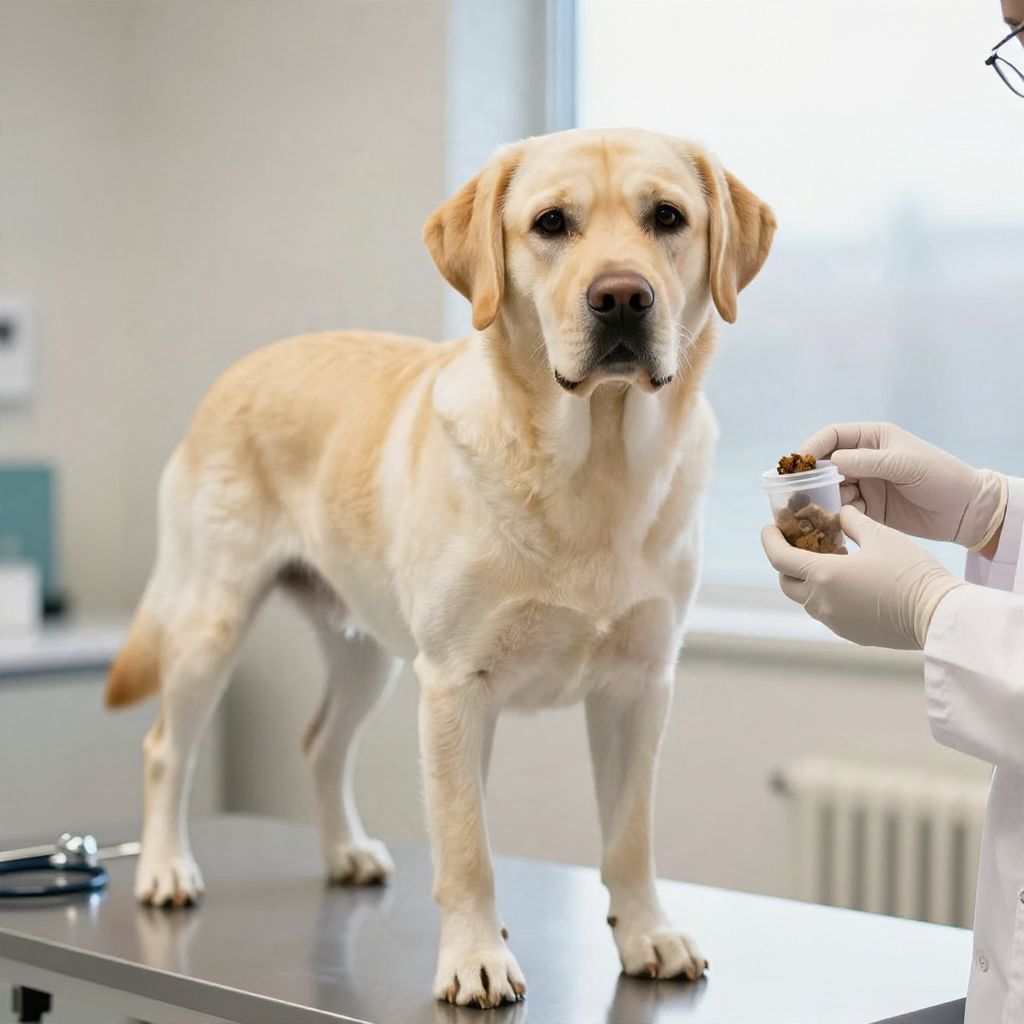
If you’re wondering how do you know if your dog has worms, the answer is that signs can range from mild to obvious. Some dogs show no symptoms at first, while others may have diarrhea, vomiting, weight loss, a bloated belly, or visible worms in stool or vomit.
Because many worm infections look similar to other illnesses, the safest approach is to watch for changes and get a veterinary checkup if you suspect parasites. A fecal test is often needed to confirm the cause and choose the right treatment.
How Do You Know If Your Dog Has Worms?
You may suspect worms if your dog has digestive upset, unexplained weight loss, a dull coat, scooting, or worms in the stool. Some dogs, especially early in infection, may seem normal. The only reliable way to confirm worms is through a veterinarian’s exam and fecal testing.
Common Signs of Worms in Dogs
Worm symptoms depend on the type of parasite, your dog’s age, and overall health. Puppies often show signs faster than healthy adult dogs because their bodies are smaller and less able to cope with parasites.
- Diarrhea, sometimes with mucus or blood
- Vomiting, occasionally with visible worms
- Weight loss despite a normal or increased appetite
- Pot-bellied appearance, especially in puppies
- Dull coat or poor body condition
- Itching around the rear or scooting across the floor
- Lethargy or lower energy than usual
- Visible worms or segments in stool, around the anus, or in vomit
These signs do not prove worms on their own. Similar symptoms can happen with diet changes, stress, bacterial infections, food intolerance, or other medical problems.
What Worms Can Look Like
Different worms may appear differently, and some are hard to see without testing. If you notice anything unusual, save a stool sample if your veterinarian asks for one.
Roundworms
Roundworms may look like long, spaghetti-like worms in stool or vomit. Puppies are commonly affected, and a heavy infection can cause a swollen belly or poor growth.
Tapeworms
Tapeworms are often noticed as small, rice-like segments near the anus, in bedding, or in fresh stool. Dogs may scoot or lick the rear because the area feels irritated.
Hookworms
Hookworms are usually not seen directly. They can cause diarrhea, weakness, pale gums, and anemia, which can become serious quickly in puppies or small dogs.
Whipworms
Whipworms may cause intermittent diarrhea, sometimes with blood or mucus. Some dogs seem fine between flare-ups, which can make the problem easy to miss.
Heartworms
Heartworms live in the heart and lungs, not the intestines, so they do not usually cause worms in stool. Early signs may be subtle, such as coughing, tiring easily, or reduced exercise tolerance.
How Vets Check for Worms
If you think your dog has worms, your veterinarian will usually start with a history, physical exam, and fecal test. Depending on the situation, they may recommend additional testing to identify the parasite and check for complications.
- Fecal flotation or antigen testing to look for parasite eggs or evidence of infection
- Microscopic exam of stool for eggs, larvae, or segments
- Bloodwork if your dog seems weak, dehydrated, or anemic
- Heartworm testing when coughing or prevention gaps raise concern
Bring a fresh stool sample if possible, and tell your vet about any recent deworming, travel, scavenging, raw food exposure, hunting, or contact with other dogs.
When Worm Symptoms Are an Emergency
Some signs need urgent veterinary care rather than a wait-and-see approach. Puppies, senior dogs, and dogs with other health problems can decline faster.
- Repeated vomiting or vomiting with weakness
- Bloody diarrhea or black, tarry stool
- Pale gums, collapse, or extreme lethargy
- Swollen abdomen with pain or distress
- Labored breathing or coughing with fainting
- Signs of dehydration such as dry gums, sunken eyes, or refusal to drink
If your dog is very young, very small, or already ill, contact a veterinarian promptly even if the signs seem mild. Worms can cause more serious complications in these dogs.
Why Worms Happen
Dogs can pick up worms in several everyday ways. The risk is often higher for puppies, dogs that spend time outdoors, and dogs that interact with contaminated environments or infected animals.
- Eating contaminated soil, feces, or prey animals
- Exposure to infected fleas, especially with tapeworms
- Passing parasites from mother to puppy before or after birth
- Walking or playing in contaminated areas
- Missing routine parasite prevention
Even well-cared-for dogs can get worms. A clean home and good hygiene help, but they do not fully eliminate risk.
What You Should Do If You Suspect Worms
Do not guess at the type of worm or use leftover medication. The right treatment depends on the parasite, and some products only work for certain worms.
- Collect a fresh stool sample if your veterinarian wants one.
- Call your vet and describe the signs clearly.
- Keep your dog away from other pets until you know what is going on.
- Clean up stool promptly and wash your hands well.
- Follow the full treatment plan exactly as prescribed.
If you have multiple pets, ask your veterinarian whether they should be checked or treated too. Some parasites spread easily within a household.
What Not to Do
It is easy to make worm problems worse by trying quick fixes. Safe, targeted treatment is better than guessing.
- Do not use human dewormers unless your veterinarian specifically instructs you to do so.
- Do not rely on home remedies to cure parasites.
- Do not wait if your dog has severe diarrhea, vomiting, weakness, or pale gums.
- Do not assume visible improvement means the infection is gone.
Some dogs need repeat testing after treatment to make sure the worms are fully cleared.
How to Help Prevent Worms
Prevention matters because many worms are easier to stop than to treat after they spread. Your veterinarian can recommend a parasite-prevention plan based on your dog’s lifestyle, age, and local risks.
- Use parasite prevention exactly as directed by your veterinarian
- Pick up stool quickly in your yard and on walks
- Keep your dog away from scavenged carcasses and feces
- Control fleas, since they can spread tapeworms
- Schedule routine fecal checks, especially for puppies and outdoor dogs
- Keep bedding, food bowls, and living areas clean
Puppies usually need more frequent parasite monitoring than healthy adult dogs because they are more vulnerable and may have been exposed before adoption or birth.
How Worms Affect Puppies, Adults, and Senior Dogs
Age changes how worms show up and how quickly they become serious. The same parasite can cause mild signs in one dog and major illness in another.
Puppies
Puppies can become dehydrated or weak very quickly. A bloated belly, poor weight gain, or diarrhea in a puppy deserves prompt veterinary attention.
Adult Dogs
Healthy adult dogs may show only subtle signs, such as intermittent soft stool or mild weight loss. That does not mean the infection is harmless, especially if it keeps coming back.
Senior Dogs
Older dogs may have less reserve if worms cause anemia, appetite loss, or dehydration. If your senior dog seems off, do not assume it is “just age.”
How the Right Diagnosis Helps
Different worms need different treatment, and some dogs have more than one parasite at the same time. A veterinary diagnosis helps avoid under-treating, over-treating, or missing another illness that looks similar.
That is especially important if your dog has ongoing diarrhea, repeated vomiting, weight loss, or a history of parasite exposure. A quick exam can save time and reduce the chance of complications.
Conclusion
If you are asking how do you know if your dog has worms, look for digestive upset, weight loss, scooting, a bloated belly, or visible worms, but remember that some dogs show no signs at all. The safest next step is a veterinary exam and fecal test, followed by targeted treatment and prevention.
If you want to keep learning about parasite signs and prevention, you may also find how to tell if your dog has worms helpful, along with how to know if your dog has fleas.