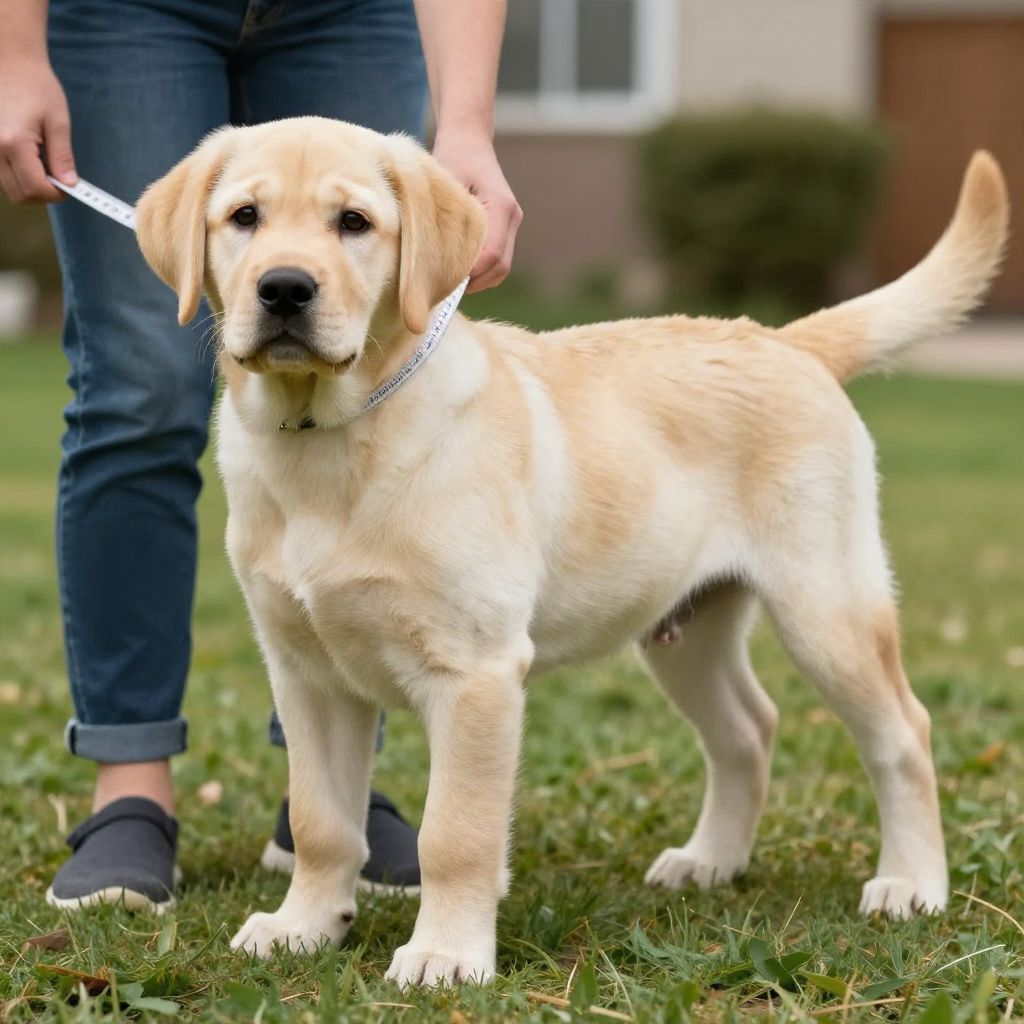
If you’re wondering when dogs are fully grown, the answer depends mostly on breed size, not just age. Many dogs reach their adult height by 12 to 18 months, but some large and giant breeds keep filling out until 2 to 3 years old.
Growth also includes muscle, bone density, and maturity. A dog may look adult long before their body and behavior are fully settled, so feeding, exercise, and training should match their stage of development.
When are dogs fully grown?
Most small dogs are fully grown by about 9 to 12 months, medium dogs by 12 to 15 months, and large or giant breeds by 18 to 24 months or longer. Even after height stops increasing, many dogs continue to gain muscle and mature mentally for several more months.
What affects how long a dog keeps growing?
Several factors influence when dogs are fully grown, and the timeline can vary a lot from one dog to another.
- Breed size: Smaller dogs usually mature faster than larger dogs.
- Genetics: Parents and lineage can affect growth rate and adult size.
- Nutrition: Balanced puppy food supports healthy growth, while overfeeding can cause excess weight gain.
- Health: Illness, parasites, or hormonal issues can slow or alter growth.
- Sex and individual variation: Some dogs mature a little earlier or later than others, even within the same breed.
Typical growth stages by dog size
Small breeds
Small dogs often reach adult height early, sometimes by 8 to 10 months. They may still “fill out” a bit after that, but the rapid growth phase usually ends sooner than it does in bigger dogs.
Medium breeds
Many medium-sized dogs are close to adult height by 12 months and fully matured by 12 to 15 months. Some continue developing muscle and coordination into the second year.
Large breeds
Large dogs often take longer to finish growing. They may reach most of their height by 12 to 18 months, but their bones, joints, and muscles can keep developing until around 18 to 24 months.
Giant breeds
Giant breeds are usually the slowest to mature. Some are not fully grown until 2 to 3 years old, especially when it comes to body mass and physical maturity.
How to tell whether your dog is still growing
You can often spot ongoing growth by looking at body shape, proportions, and behavior, but no single sign is perfect.
- Legs and paws look oversized compared with the rest of the body.
- The chest is still narrow and the body looks “teenage.”
- Your dog seems to need more calories than an adult dog of the same breed and size.
- They are still gaining height, weight, or muscle over several weeks.
- Behavior remains puppy-like, though behavior and body growth do not always end at the same time.
If you’re unsure, your veterinarian can help you judge growth based on your dog’s breed, body condition, and exam findings.
When does a puppy become an adult dog?
Physical growth and adult behavior are not the same thing. A dog may be near adult size but still act like a puppy for months, especially in energy level, impulse control, and focus.
Many dogs continue to mature socially and emotionally until 18 to 24 months, and some take longer. That is normal, especially in larger breeds.
How to support healthy growth
The goal is steady, healthy development rather than fast growth. Good habits during puppyhood can help protect joints, weight, and long-term health.
- Feed a complete puppy diet appropriate for your dog’s expected adult size.
- Measure meals rather than free-feeding unless your veterinarian advises otherwise.
- Keep your puppy lean; extra weight can stress growing joints.
- Follow your veterinarian’s guidance on exercise, especially for large breeds.
- Schedule regular checkups to monitor growth, teeth, joints, and vaccination timing.
Exercise during growth
Puppies need movement, but too much high-impact activity can be hard on developing joints. Short play sessions, leash walks, and age-appropriate enrichment are usually better than repetitive jumping, hard running, or intense stair use.
For large and giant breeds, ask your veterinarian what level of exercise is safest during growth. Individual tolerance can vary based on conformation, health, and energy level.
Training and socialization
Training should start early, even though your dog is still growing. Reward-based training helps build good habits without adding stress, and socialization during the puppy period can reduce fear later in life.
- Teach basic cues such as name response, recall, sit, and loose-leash walking.
- Expose your puppy to safe sights, sounds, people, and dogs in a positive way.
- Use short sessions so your puppy can focus without getting overwhelmed.
Common mistakes when a dog is growing
Some well-meaning choices can interfere with healthy development or make it harder to know when dogs are fully grown.
- Overfeeding: This can make a puppy look “bigger” without supporting healthy growth.
- Using adult food too early: Puppies have different nutritional needs than adults.
- Expecting adult behavior too soon: Young dogs need patience and consistent training.
- Too much strenuous exercise: Repetitive impact can be rough on immature joints.
- Skipping vet visits: Growth problems are easier to catch early.
When growth seems unusual
Not all puppies grow at the same pace, but some patterns deserve attention. If your dog is not gaining weight normally, seems painfully stiff, or appears much smaller or larger than expected, a veterinary exam is a good idea.
Contact your veterinarian sooner if you notice:
- Persistent limping or reluctance to move
- Loss of appetite or poor weight gain
- A swollen belly, diarrhea, or vomiting that affects growth
- Marked asymmetry in the legs, spine, or gait
- Extreme lethargy or weakness
Seek urgent veterinary care if your puppy cannot stand, has severe pain, has repeated vomiting, has trouble breathing, collapses, or suddenly becomes very swollen or distressed.
Does spaying or neutering change when dogs are fully grown?
Spaying or neutering does not usually stop a dog from reaching their expected adult size in a simple, predictable way. Timing can affect growth plates and long-term health considerations, especially in larger breeds, so discuss the best timing with your veterinarian.
Your vet may recommend a plan based on breed, size, sex, behavior, and orthopedic risk rather than a one-size-fits-all age.
What about mixed-breed dogs?
Mixed-breed dogs can be harder to estimate because their adult size may reflect several breeds. A puppy with large-breed ancestry may keep growing longer than you expect, even if they look medium-sized early on.
If you know the parents or have a breed estimate from a DNA test, that can help, but it still won’t predict growth perfectly. Watching your dog’s body condition and checking in with your veterinarian is more useful than guessing.
Practical timeline to remember
If you want a simple rule of thumb, use this:
- Small dogs: often mostly grown by 9 to 12 months
- Medium dogs: often mostly grown by 12 to 15 months
- Large dogs: often mostly grown by 18 to 24 months
- Giant dogs: may keep growing until 2 to 3 years
That said, “fully grown” can mean different things: height, weight, muscle, joint maturity, and behavior may each finish on a different schedule.
Bottom line
Dogs are fully grown at different ages depending on size, breed, and individual health. Watch your dog’s body condition, feed an appropriate diet, and keep up with veterinary care so their growth stays on track.
If you want more puppy-care guidance, you may also find it helpful to read about how long puppies sleep and how big mini Goldendoodles get.