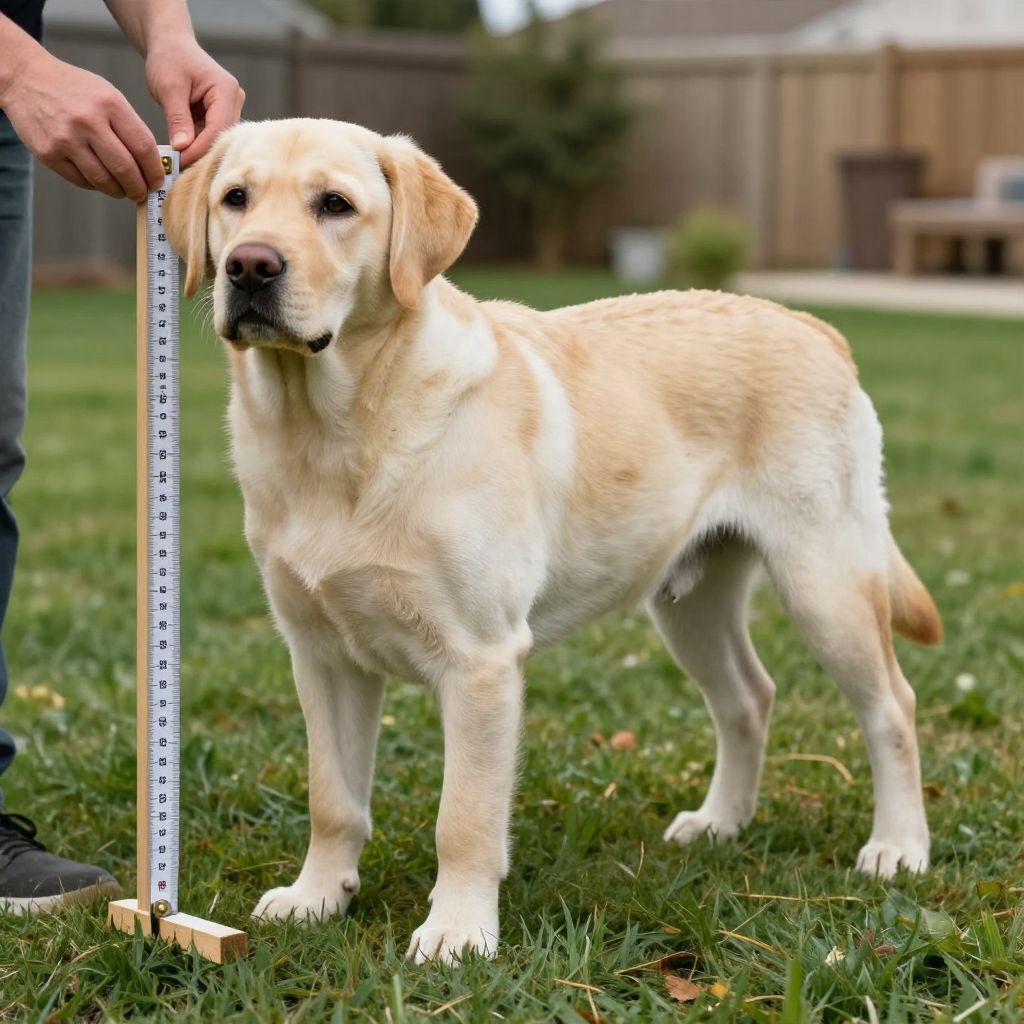
If you’re wondering what age do dogs stop growing, the short answer is that most dogs finish growing between 6 and 24 months old. Smaller dogs usually mature sooner, while large and giant breeds often keep filling out longer.
Growth is not just about height. Bone, muscle, chest width, and overall body condition can keep changing after a puppy looks “done,” so the exact timeline depends on breed, size, and individual health.
What age do dogs stop growing?
Most dogs stop getting taller by about 12 to 18 months, but some large and giant breeds may continue maturing until 18 to 24 months or longer. Small breeds often finish sooner. Even after height slows, dogs may still gain muscle and “fill out” as adults.
Why the answer depends on breed and size
There is no single age that fits every dog. A toy breed, a medium mixed breed, and a giant breed do not grow on the same schedule, and individual genetics can shift the timeline.
Small dogs
Many small breeds reach adult height earlier, often around 9 to 12 months. They may still look lean or youthful for a while as their bodies finish developing.
Medium dogs
Medium-sized dogs commonly stop growing somewhere around 12 to 15 months. Some may keep broadening and gaining muscle after that.
Large and giant dogs
Larger dogs usually take the longest to mature. Their bones and joints need more time, so they may keep growing until 18 to 24 months, and some giant breeds may take even longer to fully mature in body shape.
How to tell when your puppy is done growing
You can look for a few practical clues, but none are perfect on their own. Growth usually slows when your puppy’s height levels off, their paws look more proportionate, and their body begins to fill out rather than stretch upward.
- Height stops changing much over several weeks or months.
- Paws no longer look oversized compared with the rest of the body.
- Weight gain becomes gradual rather than rapid.
- Muscle and chest development continue after the puppy stage.
- Behavior may still seem adolescent even when physical growth is slowing.
If you are unsure, your veterinarian can estimate growth stage by checking body condition, dental development, and overall maturity.
What changes after your dog stops growing?
Stopping height growth does not mean your dog is fully mature in every way. Many dogs still need time to develop coordination, impulse control, and adult muscle tone.
Physical maturity
Your dog’s bones, joints, and muscles continue to settle after the fastest growth phase. This is one reason exercise and jumping should be managed carefully in young, still-developing dogs.
Behavioral maturity
Some dogs remain adolescent in behavior for months after they look grown. You may still notice chewing, excitement, distractibility, or testing boundaries during this stage.
How to support healthy growth in puppies
Good growth is about steady development, not pushing a puppy to get bigger faster. Focus on balanced care that supports joints, muscles, and overall health.
- Feed a complete puppy diet appropriate for your dog’s life stage and expected adult size.
- Keep meals consistent and avoid overfeeding, which can stress growing joints.
- Use age-appropriate exercise with plenty of rest.
- Protect developing joints by limiting repetitive high-impact activity.
- Schedule routine veterinary visits to monitor growth and body condition.
Nutrition matters
Puppies need the right balance of calories, protein, calcium, and other nutrients. Feeding an adult formula too early, or adding supplements without veterinary guidance, can interfere with healthy development.
If your puppy is a large breed, ask your veterinarian whether a large-breed puppy diet is appropriate. These diets are designed to support controlled growth, which can be especially important for developing joints.
Exercise matters too
Exercise should build coordination without overloading growing bones. Short walks, gentle play, and supervised exploration are usually better than repetitive running, jumping, or stair climbing for young puppies.
For active dogs, it helps to think in terms of quality over intensity. Controlled movement, mental enrichment, and rest are all part of healthy development.
Common mistakes people make while waiting for a dog to grow
It is easy to misread puppy growth and accidentally make care decisions that are not ideal for the dog’s age or size.
- Feeding too much because the puppy seems hungry or “needs to get big.”
- Assuming a large puppy can handle adult-level exercise before joints are ready.
- Switching foods too often without a clear reason.
- Using adult behavior expectations too early when the dog is still immature.
- Ignoring growth that seems uneven or unusually fast.
When growth seems unusual
Most puppies grow in a fairly predictable pattern, but some changes deserve a veterinary check. Uneven growth, sudden weight loss, poor appetite, or a puppy that seems much smaller or weaker than littermates can point to a health issue.
Contact your veterinarian if you notice any of the following:
- Persistent limping or pain
- Swollen joints or obvious discomfort when moving
- Very rapid growth followed by stiffness or weakness
- Loss of appetite or poor weight gain
- Vomiting, diarrhea, or lethargy lasting more than a brief period
- A puppy that seems to stop growing abruptly without explanation
Seek urgent veterinary care if your dog cannot bear weight, has severe swelling, collapses, has trouble breathing, or seems in significant pain.
Do spayed or neutered dogs stop growing earlier?
Hormonal changes can affect growth patterns, but the effect varies by dog and timing. This is a conversation to have with your veterinarian, especially for large-breed puppies, because the best timing depends on health, breed tendencies, and lifestyle.
What matters most is making an informed decision with your vet rather than assuming that surgery alone determines when a dog stops growing.
How to measure your dog’s growth at home
Simple tracking can help you notice whether your puppy is still growing steadily or has begun to level off.
- Weigh your puppy regularly on the same scale if possible.
- Measure shoulder height every few weeks.
- Take a side photo in the same stance to compare body shape over time.
- Record appetite, energy, and stool quality.
- Bring your notes to veterinary visits.
This does not replace professional care, but it can help you spot patterns and ask better questions.
What to expect by age
These are broad guidelines, not guarantees. Individual dogs may mature earlier or later depending on genetics, nutrition, and health.
- Up to 6 months: rapid growth and major developmental changes.
- 6 to 12 months: growth slows in many small and medium dogs, while larger dogs may still be tallening and filling out.
- 12 to 18 months: many dogs are close to adult size, though muscle and body shape may still change.
- 18 to 24 months: common finishing window for large and giant breeds.
Helpful tips while your dog is still growing
Patience is important. A puppy that looks adult-sized may still need puppy-level support for training, exercise, and nutrition.
- Use positive reinforcement for training.
- Keep play sessions short and supervised.
- Provide chew toys and enrichment to reduce destructive behavior.
- Maintain a healthy body condition rather than chasing a specific number on the scale.
- Ask your vet about growth if your dog’s size changes seem unusual.
Conclusion
So, what age do dogs stop growing? Most stop getting taller between 6 and 24 months, with smaller dogs maturing sooner and larger dogs taking longer. Watch your dog’s body shape, not just age, and check with your veterinarian if growth seems off or you have concerns.
If you want to learn more, you may also find it helpful to read about when dogs are fully grown and when a dog is considered a senior.