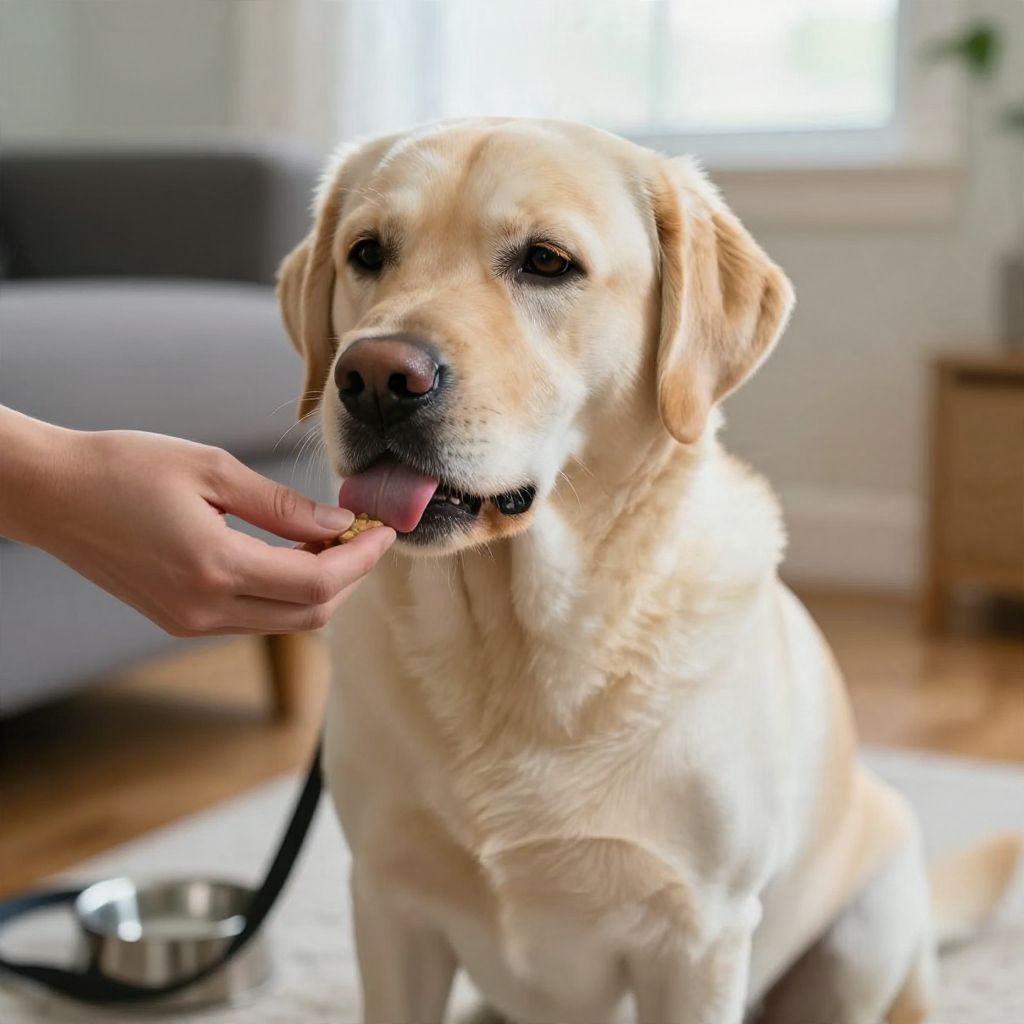
Why do dogs lick their lips? Sometimes it is a normal way to swallow saliva, but frequent lip licking can also mean stress, nausea, mouth pain, or something stuck in the mouth. The meaning depends on the situation, your dog’s body language, and whether the behavior is new or persistent.
If your dog is lip licking often, look for other signs such as drooling, pawing at the mouth, vomiting, hiding, or refusing food. Some causes are mild and temporary, while others need a veterinarian’s attention, especially if the licking starts suddenly or seems uncomfortable.
Why do dogs lick their lips?
Dogs lick their lips to manage saliva, communicate discomfort, or respond to nausea, anxiety, mouth irritation, or pain. Occasional lip licking can be normal, but repeated licking, especially with other symptoms, often means your dog is trying to tell you something is wrong.
Common reasons dogs lick their lips
1. Normal swallowing or anticipation
Dogs may lick their lips after eating, drinking, sniffing food, or waiting for a treat. In these moments, the behavior is usually brief and relaxed.
You may also notice lip licking during training or when your dog is excited. If the rest of the body looks loose and calm, this is often harmless.
2. Stress, uncertainty, or appeasement
Lip licking is a common calming signal in dogs. A dog may do it when feeling nervous around visitors, during handling, at the vet, or in a tense social situation.
Signs that stress may be involved include:
- Yawning when not tired
- Turning the head away
- Flattened ears
- Whale eye or wide eyes
- Stiff body posture
- Trying to move away
Some dogs are naturally more sensitive than others, and past experiences, training history, and environment all matter.
3. Nausea or stomach upset
Dogs often lick their lips when they feel nauseated. This may happen before vomiting, after eating something unusual, or with motion sickness.
Other clues can include drooling, swallowing repeatedly, grass eating, lip smacking, restlessness, or loss of appetite. If vomiting, diarrhea, or lethargy is also present, contact your veterinarian.
4. Mouth pain or dental disease
Tooth pain, gum inflammation, broken teeth, oral infections, or something caught between the teeth can all lead to lip licking. Dogs may also drool, chew on one side, drop food, or avoid hard kibble.
Because mouth problems can be painful and sometimes hidden, a veterinary oral exam is important if the behavior is new or your dog resists having the mouth touched.
5. Something irritating the mouth
A stick splinter, bone fragment, plant material, or other foreign object can irritate the tongue, gums, or cheeks. Lip licking may be paired with pawing at the face, head shaking, or sudden discomfort while eating.
If you can safely see a loose object near the front of the mouth, you may be able to remove it carefully. Do not reach blindly into the mouth if your dog is painful or struggling.
6. Allergies or skin irritation around the face
Some dogs lick their lips because the skin around the muzzle or lips feels itchy or irritated. Environmental allergies, contact irritation, or skin infections can contribute.
You may notice redness, scratching, rubbing the face on furniture, or repeated pawing at the muzzle. A veterinarian can help identify the cause and recommend appropriate treatment.
7. Pain elsewhere in the body
Dogs do not always localize pain clearly. A dog with abdominal pain, neck discomfort, or general illness may lick the lips as part of a broader stress or nausea response.
If your dog seems withdrawn, reluctant to move, or sensitive to touch, lip licking may be one piece of a larger problem that needs veterinary evaluation.
When lip licking is probably normal
Brief lip licking is often normal if it happens after eating, during a treat session, or in a mildly exciting situation and then stops quickly. Your dog should otherwise look comfortable, eat normally, and behave as usual.
Even then, watch for patterns. If the behavior becomes frequent, happens in calm settings, or appears with other symptoms, it is worth paying closer attention.
When lip licking may signal a problem
Repeated lip licking is more concerning when it is new, persistent, or paired with changes in appetite, energy, or behavior. A dog that cannot settle, seems uncomfortable, or keeps licking with no obvious trigger may need medical care.
- Ongoing lip licking without an obvious reason
- Drooling or foaming
- Vomiting or diarrhea
- Bad breath or bleeding gums
- Refusing food or chewing oddly
- Facial swelling
- Head shaking or pawing at the mouth
Red flags: when to seek urgent veterinary care
Get urgent veterinary help now if lip licking happens with choking, trouble breathing, collapse, severe facial swelling, repeated unproductive retching, suspected toxin exposure, or a sudden inability to swallow. These can be emergencies.
You should also seek prompt care if your dog has blood in the mouth, severe pain, a foreign object stuck in the mouth, or repeated vomiting. Do not wait if your dog is rapidly worsening.
What you can do at home
If your dog is otherwise stable, start by observing when the lip licking happens and what comes before it. A short note can help you and your veterinarian spot patterns.
- Check for obvious triggers such as food, excitement, stress, or handling.
- Look gently at the lips, teeth, and gums if your dog allows it.
- Offer water and a quiet place to rest.
- Remove access to anything your dog may have chewed, swallowed, or licked.
- Contact your veterinarian if the behavior is frequent, new, or unexplained.
If stress seems likely, keep interactions calm and predictable. Give your dog space, avoid forcing contact, and use reward-based training to build confidence rather than pressure.
What not to do
Do not punish lip licking. It is often a communication signal, not defiance, and punishment can make stress worse or hide important warning signs.
Also avoid guessing at the cause if your dog seems unwell. Home treatment without a diagnosis can delay care for dental disease, nausea, pain, or a foreign object.
How age and individual differences matter
Puppies may lick their lips from curiosity, mild stress, teething discomfort, or nausea after eating something inappropriate. Senior dogs may do it more often if they have dental disease, nausea, or age-related health issues.
Breed can influence facial structure, coat type, and some health risks, but it does not determine the cause by itself. Your dog’s individual history, temperament, and medical background matter more than breed labels alone.
Questions your veterinarian may ask
To narrow down the cause, your vet may ask when the licking started, whether it happens around food or stress, and whether there are signs like vomiting, drooling, or mouth pain. They may also ask about diet changes, chews, toys, and possible toxin exposure.
Be ready to describe:
- How often it happens
- Whether it is linked to meals or motion
- Any changes in appetite or energy
- Recent chewing, grooming, or dental issues
- Other symptoms you have noticed
How to help prevent lip licking from becoming a bigger issue
Prevention depends on the cause. Good dental care, safe chew choices, steady routines, and early attention to nausea or stress can all help reduce episodes.
- Schedule regular veterinary dental checks
- Supervise chewing and choose safe, appropriate toys
- Introduce new foods gradually
- Reduce stressful handling with positive reinforcement
- Keep harmful items and toxins out of reach
Bottom line
Dogs lick their lips for many reasons, from normal swallowing to stress, nausea, or mouth pain. If the behavior is frequent, sudden, or paired with other symptoms, contact your veterinarian. The sooner you identify the cause, the sooner you can help your dog feel better.
If you want to learn more, you may also find it helpful to read why dogs lick their lips in different situations or explore why dogs lick people so much.