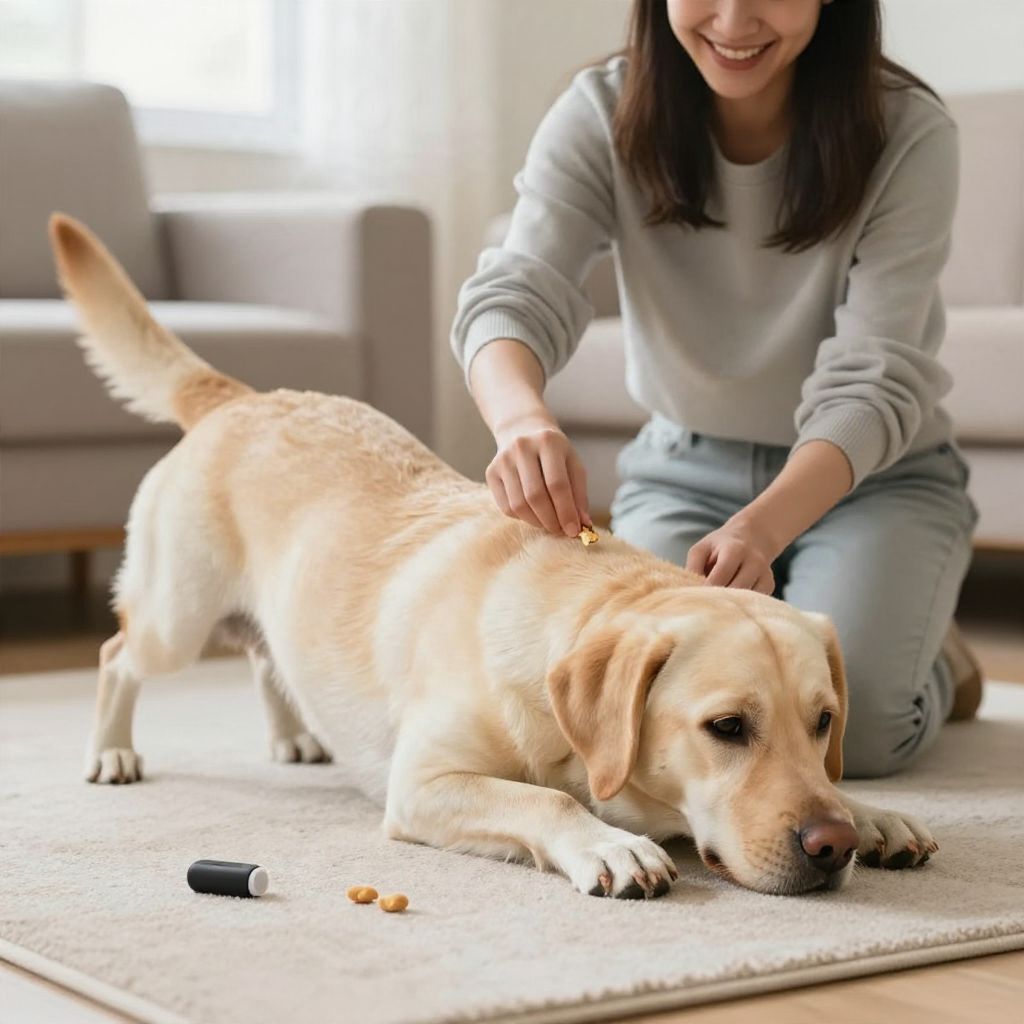
How do you teach a dog to roll over without confusing or frustrating them? The easiest way is to break the trick into tiny steps, reward each success, and keep sessions short and positive. Most dogs learn best when they already know how to lie down and follow a treat lure.
With patience, clear cues, and a comfortable surface, you can teach rolling over safely at home. Some dogs learn quickly, while others need more time because of age, body shape, confidence, or past training experiences.
How To Teach A Dog To Roll Over?
Start with your dog in a down position, use a treat to lure their nose toward one shoulder, and reward any movement onto their side. Gradually guide the full roll, add a cue word, and practice in short sessions. Stop if your dog seems stiff, worried, or uncomfortable.
Before You Start: What Your Dog Needs
Not every dog is ready to learn this trick right away. The best candidates are dogs who can comfortably lie down, stay relaxed on the floor, and enjoy food rewards or praise.
Helpful basics to have first
- A dog that knows sit and down
- Small, tasty treats your dog can eat quickly
- A quiet room with minimal distractions
- A soft, non-slip surface such as a rug or mat
- 5-minute training sessions, especially for puppies or easily distracted dogs
Some dogs may find rolling over physically awkward. Large, heavy-bodied, senior, arthritic, or anxious dogs may prefer a different trick, and that is perfectly fine.
Step-by-Step Training Method
1. Ask for a down
Begin with your dog lying down. If your dog does not know the down cue yet, teach that first before moving to rollover.
2. Lure the nose to one side
Hold a treat near your dog’s nose and slowly move it toward one shoulder. Most dogs will turn their head and shift their weight to follow the treat.
3. Reward side-lying movement
The moment your dog leans onto one hip or shoulder, mark it with a cheerful “yes” or a clicker if you use one, then give the treat. At this stage, you are rewarding the motion, not the full trick.
4. Guide the head farther back
Once your dog reliably follows the lure onto their side, move the treat slightly farther back toward the spine and over the shoulder. This encourages your dog to continue the motion and start rolling.
5. Help the full roll happen
As your dog follows the treat, they may tip onto their back and then over to the other side. Reward immediately when the roll is completed, even if it is brief or a little clumsy.
6. Add the cue word
Say “roll over” just before you lure the movement, not after. After several successful repetitions, your dog will begin to connect the cue with the action.
7. Fade the lure
Once your dog understands the motion, use an empty hand gesture first and reward after the roll. Then gradually reduce the hand movement until your dog responds to the verbal cue alone.
Practical Tips That Make Training Easier
- Use tiny treats. You want many repetitions without overfeeding.
- Train when your dog is calm. A very excited or very hungry dog may struggle to focus.
- Keep sessions short. End before your dog gets bored or frustrated.
- Reward partial progress. Side-lying, hip shift, and shoulder drop are all useful steps.
- Practice in the same place first. Generalize later to other rooms or surfaces.
If your dog is highly food-motivated, you may see quick progress. If your dog is shy, distracted, or less treat-driven, you may need more repetition and a gentler pace.
Common Mistakes To Avoid
Many rollover problems come from moving too fast. If your dog keeps getting stuck, go back one step and reward smaller movements again.
- Trying to teach rollover before your dog knows how to lie down
- Moving the treat too quickly and losing your dog’s attention
- Repeating the cue too many times in a row
- Forcing your dog onto their back with your hands
- Training on a slippery floor that makes your dog hesitant
- Pushing through when your dog looks uncomfortable
Do not use punishment, intimidation, or physical force. Those methods can make your dog avoid training and may damage trust.
How Long Does It Take?
Some dogs learn the first half of the trick in one session and the full roll over several days later. Others need many short sessions over a week or more. Progress depends on your dog’s age, confidence, coordination, and prior training experience.
Young dogs may learn quickly, but puppies also have shorter attention spans. Older dogs can learn too, but they may need extra patience and a more comfortable surface.
When A Dog Should Not Be Asked To Roll Over
Rolling over is not a good idea if your dog has pain, stiffness, or fear around floor movement. It may also be unsuitable for dogs recovering from injury or surgery unless your veterinarian says the activity is safe.
Watch for signs your dog is uncomfortable
- Reluctance to lie down or shift weight
- Whining, lip licking, or moving away
- Stiff posture or trouble getting up
- Sudden yelping or flinching
- Repeated refusal after previously doing the trick
If your dog shows pain, limping, weakness, or a sudden change in mobility, contact your veterinarian. Do not keep practicing the trick and hope it improves on its own.
Breed, Body Type, and Individual Differences
Some dogs with flexible bodies or a natural interest in trick training may pick up rollover quickly, but there are no guarantees based on breed alone. Dogs with deep chests, short legs, large frames, or limited flexibility may find the movement less comfortable.
Temperament matters too. A playful, confident dog may enjoy the trick, while a cautious dog may need more confidence-building before trying it. Always train the dog in front of you, not the stereotype.
Teaching Puppies Versus Adult Dogs
Puppies
Puppies can learn rollover, but keep sessions very short and upbeat. Focus first on basic manners, body awareness, and simple cues before asking for repeated twisting or tumbling.
Adult dogs
Adult dogs often learn more efficiently because they can focus longer and already understand reward-based learning. If an adult dog has never done trick training before, you may need to spend extra time building engagement with treats and praise.
Senior dogs
Senior dogs may still enjoy trick training, but comfort comes first. If your older dog has arthritis, stiffness, or reduced balance, choose gentler tricks and ask your veterinarian whether rolling motions are appropriate.
Troubleshooting If Your Dog Gets Stuck
If your dog rolls onto their side but will not complete the trick, the lure may be too difficult or the reward may not be motivating enough. Try making the motion smaller and rewarding every tiny improvement.
- Use a higher-value treat
- Train after a short walk when your dog is relaxed
- Practice on a soft mat with better traction
- Return to rewarding side-lying before asking for the full roll
- Teach the trick in both directions only after one side is reliable
If your dog seems confused, end the session with an easy cue they already know so training stays positive.
When To Get Professional Help
Consider a certified trainer or qualified veterinary behaviorist if your dog is fearful, highly distracted, reactive, or unable to settle during training. Professional help is also useful if your dog has a history of pain, resource guarding, or handling sensitivity.
A good trainer will use humane, reward-based methods and adapt the lesson to your dog’s comfort level. That approach is especially important for dogs who shut down easily or have had stressful training experiences in the past.
Conclusion
To teach a dog to roll over, break the trick into small steps, reward each bit of progress, and keep the experience calm and fun. If your dog is comfortable, healthy, and willing, steady practice will usually get you there. If the trick causes stress or discomfort, choose a different skill that suits your dog better.
If you want to build stronger training habits overall, you may also find it helpful to read about how to discipline a puppy and how to train a dog to stop barking.