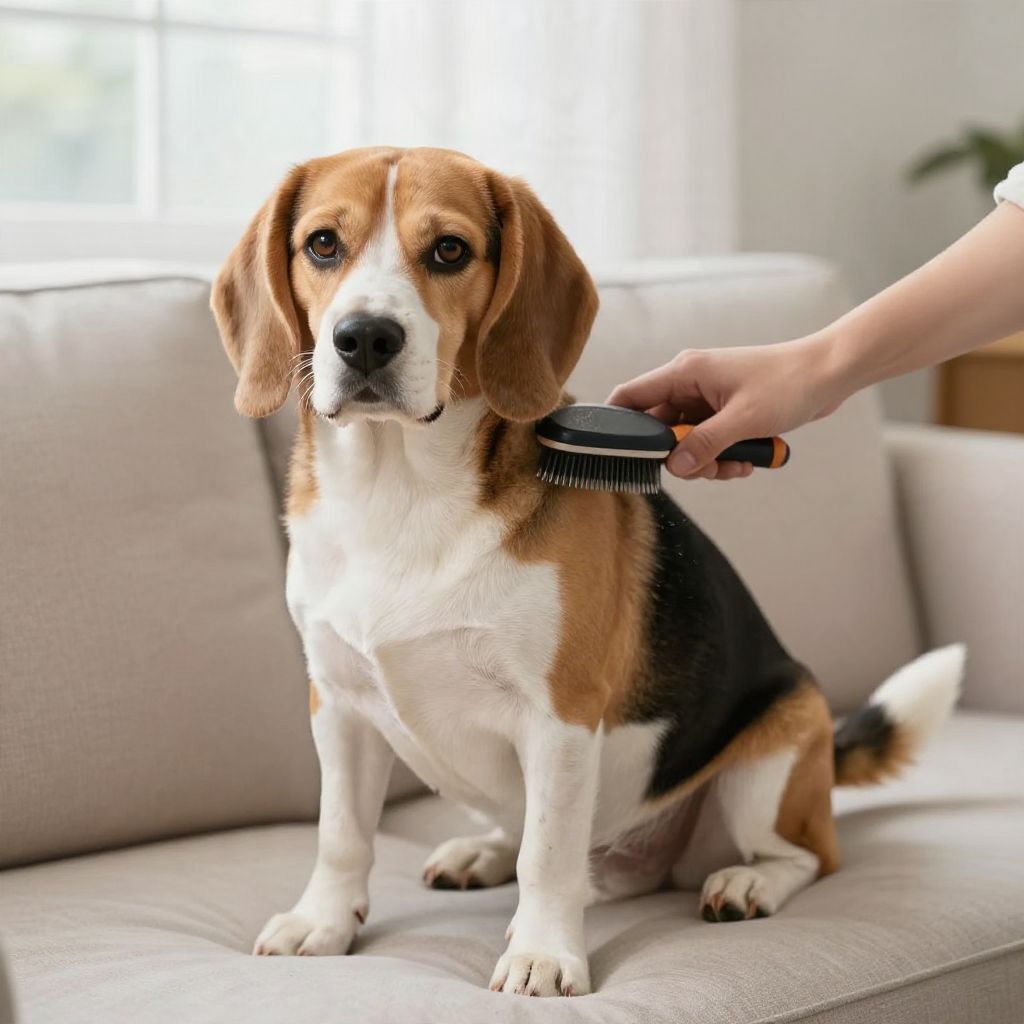
Do Beagles shed? Yes, they do—usually a moderate amount year-round, with heavier shedding during seasonal coat changes. Their short coat can still leave hair on furniture, clothing, and car seats, especially if grooming is inconsistent.
The good news is that Beagle shedding is usually manageable with regular brushing, a healthy diet, and routine vet care. If shedding suddenly increases or comes with itching, bald spots, or skin changes, it may signal a medical issue.
Do Beagles Shed?
Yes. Beagles shed, and most owners notice a steady amount of loose hair throughout the year. Because their coat is short and dense, the hair may be small and easy to miss until it collects on fabrics and floors. Shedding varies by individual dog, season, age, and health.
Why Beagles Shed
Shedding is a normal way dogs replace old or damaged hair. Beagles have a short double coat or a coat with dense undercoat influence, so they can lose more hair than some people expect from a short-haired breed.
Common reasons for normal shedding
- Seasonal coat changes, often in spring and fall
- Normal hair growth and replacement
- Dry indoor air or weather changes
- General grooming and brushing habits
What can make shedding look worse
- Infrequent brushing
- Bathing too often or using harsh shampoo
- Poor nutrition or sudden diet changes
- Stress, illness, allergies, or parasites
How Much Do Beagles Shed Compared With Other Dogs?
Beagles are usually considered moderate shedders. They are not typically among the heaviest-shedding breeds, but they are not low-shedding dogs either. If you want a nearly hair-free home, a Beagle may still be more maintenance than you expect.
Shedding can also differ between dogs in the same household. A young, healthy Beagle with a well-kept coat may shed less visibly than an older dog, a dog with skin irritation, or one that is brushed rarely.
What Beagle Shedding Looks Like in Daily Life
Many owners notice loose hair on couches, bedding, rugs, and clothing. You may also see more hair after petting, especially during seasonal shedding periods.
- Short hairs can weave into upholstery and carpet
- Shedding may increase after baths or brushing sessions
- Some dogs shed more in certain rooms because of heating or sunlight exposure
How to Manage Beagle Shedding
You cannot stop shedding completely, but you can reduce loose hair and keep your Beagle’s coat healthier. The most effective approach is consistent grooming plus good overall care.
Brush regularly
Brushing removes loose hair before it falls around your home. For many Beagles, brushing once or twice a week is enough, though seasonal shedding may call for more frequent grooming.
- Use a soft bristle brush, grooming mitt, or rubber curry tool
- Brush gently to avoid irritating the skin
- Pay attention to areas where hair tends to collect, such as the back, sides, and neck
Bathe when needed
Baths can help remove loose coat, but overbathing may dry the skin and make shedding worse. Use a dog-safe shampoo and bathe only as often as your Beagle actually needs it.
- Rinse thoroughly to avoid residue
- Dry the coat well after bathing
- If your dog has skin problems, ask your veterinarian before changing bathing routines
Feed a balanced diet
A complete, appropriate diet supports skin and coat health. Poor nutrition can contribute to dull coat quality and excessive shedding, though diet is only one possible factor.
- Choose a high-quality, complete dog food suited to your dog’s age and activity level
- Avoid sudden food changes unless your veterinarian recommends them
- Ask your vet before adding supplements, especially if your dog already eats a complete diet
Keep parasite control current
Fleas, mites, and other parasites can cause itching and hair loss. Even a small infestation may lead to more scratching, licking, and shedding than normal.
- Use veterinarian-recommended parasite prevention
- Check for flea dirt, redness, or excessive scratching
- Contact your vet if you suspect parasites
When Shedding Is Not Normal
Some shedding is expected, but sudden or severe hair loss deserves attention. A change in coat condition can be a sign of allergies, infection, hormonal disease, pain, stress, or another medical problem.
Call your veterinarian if you notice
- Bald patches or thinning fur
- Red, flaky, greasy, or smelly skin
- Constant scratching, licking, or chewing
- Scabs, sores, or signs of pain when touched
- Weight changes, low energy, or appetite changes along with coat issues
Seek urgent veterinary care if your dog has
- Facial swelling, hives, or trouble breathing
- Sudden widespread hair loss with severe illness
- Open wounds, bleeding skin, or intense swelling
- Possible toxin exposure plus skin or neurologic signs
Do not try to diagnose the cause of heavy shedding at home if your Beagle seems unwell. A veterinarian can check for skin disease, endocrine problems, allergies, and parasites and recommend the right treatment.
Beagle Coat Care by Age
Age can affect how a Beagle’s coat looks and how much hair you notice around the house. Puppies, adults, and seniors may each need slightly different care.
Puppies
Beagle puppies often have softer coats and may shed less dramatically at first. Gentle brushing helps them get used to grooming early, which makes future coat care easier.
Adults
Adult Beagles usually show the most predictable shedding pattern. Regular brushing, exercise, and good nutrition often keep the coat in better condition.
Seniors
Older Beagles may shed more if their skin becomes drier or if an underlying health issue develops. Senior dogs benefit from routine vet visits because coat changes can sometimes be an early clue that something is wrong.
Does Temperament Affect Shedding?
Temperament does not directly cause shedding, but stress and activity level can influence grooming needs and skin health. A relaxed, well-exercised Beagle may be easier to groom regularly than a dog that is restless or anxious.
Beagles are often curious, scent-driven dogs, so making grooming a calm, reward-based routine helps. Keep sessions short, use treats if your dog enjoys them, and stop before your dog becomes overwhelmed.
How Exercise and Enrichment Help
Exercise will not stop shedding, but it can support overall health and reduce stress-related grooming problems. A dog that gets enough physical activity and mental enrichment is less likely to develop boredom-based licking or scratching behaviors.
- Daily walks and sniffing opportunities
- Food puzzles and scent games
- Short training sessions using positive reinforcement
If your Beagle is under-exercised, you may also notice more attention-seeking behavior or restlessness during grooming. Meeting your dog’s activity needs can make coat care easier.
Common Mistakes to Avoid
Simple grooming mistakes can make shedding seem worse or irritate the skin. Avoiding these problems can help you manage your Beagle’s coat more effectively.
- Overbathing, which can dry the skin
- Using human shampoo, which may irritate a dog’s skin
- Brushing too aggressively, which can cause discomfort
- Ignoring sudden coat changes, especially if itching or hair loss is present
- Assuming all shedding is normal when other symptoms are clearly present
Can You Reduce Beagle Hair in the House?
You can reduce visible hair, even if you cannot eliminate it entirely. A few practical habits make a big difference.
- Brush your Beagle on a regular schedule.
- Vacuum upholstery and floors often.
- Use washable blankets or covers on favorite resting spots.
- Wash bedding frequently.
- Keep up with grooming and parasite prevention.
These steps won’t change your dog’s genetics, but they can make living with a shedding Beagle much easier.
Bottom Line: Do Beagles Shed?
Yes, Beagles shed, and most owners should expect moderate year-round hair with seasonal increases. With regular brushing, sensible bathing, a balanced diet, and routine vet care, shedding is usually manageable. If the hair loss is sudden, patchy, or paired with skin irritation, see your veterinarian promptly.
If you want more help understanding coat changes, you may also find it useful to read about why a dog may be shedding so much and how to tell normal shedding from a health concern.