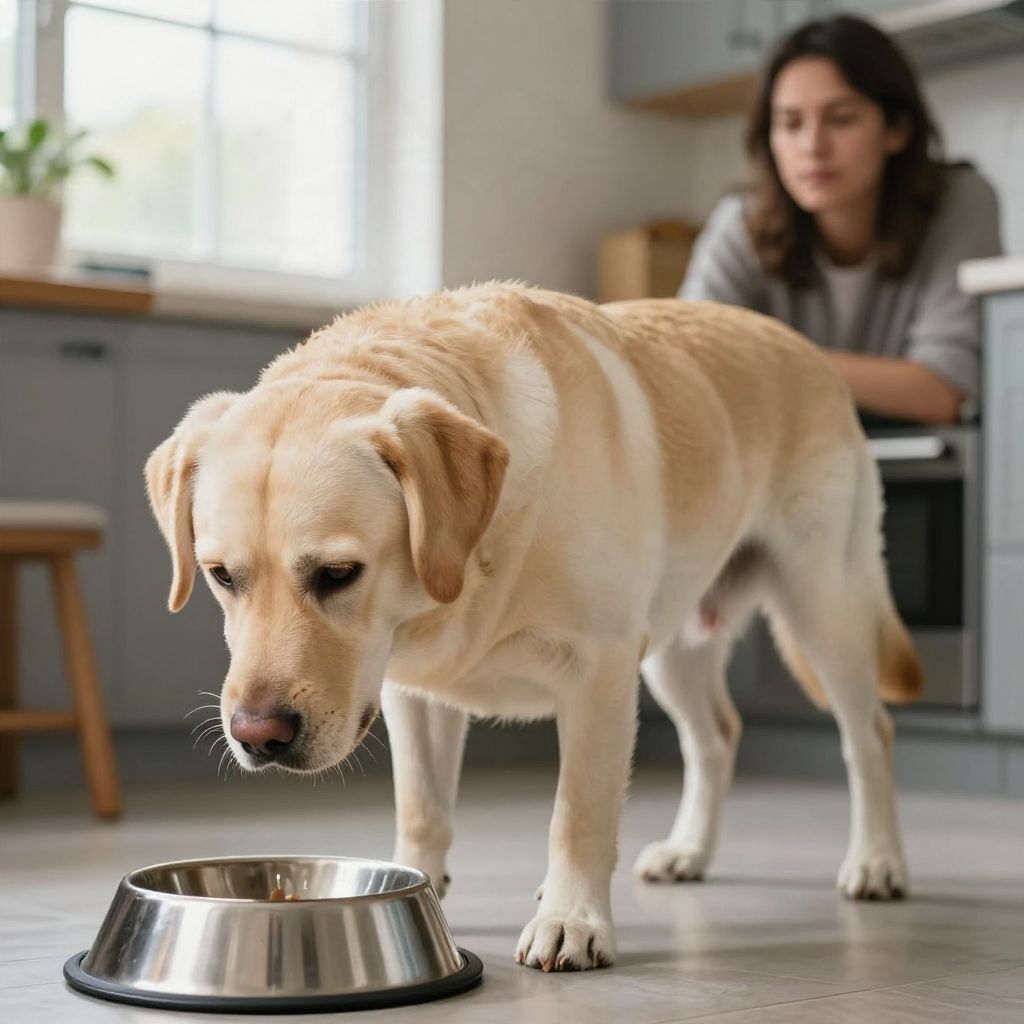
Can dogs burp? Yes—dogs can burp, and occasional burping is usually normal. Like people, dogs may swallow air while eating, drinking, panting, or playing, and that air can come back up as a burp.
Most of the time, a burp is harmless. But frequent burping, a swollen belly, repeated retching, drooling, or restlessness can signal a digestive problem that needs veterinary attention.
Can dogs burp?
Yes. Dogs can burp when swallowed air moves back up from the stomach, and an occasional burp is usually not a problem. If burping happens often or comes with vomiting, belly swelling, pain, or trouble breathing, contact your veterinarian promptly.
Why dogs burp
Burping in dogs is usually caused by swallowed air. Some dogs take in more air than others depending on how they eat, drink, or breathe.
Common reasons a dog burps
- Eating too quickly
- Drinking large amounts of water at once
- Heavy panting after exercise or excitement
- Swallowing air while barking or whining
- Eating from a bowl that encourages fast gulping
- Digestive upset that increases gas production
Some dogs are simply more prone to gas and burping because of their eating habits, body shape, or individual digestive sensitivity. Large-chested dogs, brachycephalic dogs with short muzzles, and dogs that inhale food quickly may be more likely to swallow air, but any dog can burp.
When burping is normal and when it is not
An occasional burp after eating or drinking is usually normal. What matters is the pattern and whether your dog seems otherwise comfortable.
Usually normal
- One or a few burps after a meal
- No pain or distress
- Normal appetite and energy
- No vomiting, diarrhea, or abdominal swelling
Concerning signs
- Frequent or repetitive burping
- Burping plus vomiting or retching
- Swollen, tight, or painful abdomen
- Excessive drooling
- Restlessness, pacing, or inability to settle
- Loss of appetite or sudden lethargy
- Coughing, gagging, or trouble breathing
Emergency warning: If your dog has a distended belly, repeated unproductive retching, weakness, collapse, or obvious distress, seek urgent veterinary care right away. These signs can indicate a life-threatening stomach emergency.
Can dogs burp a lot after eating?
Yes, and frequent post-meal burping often points to swallowed air rather than a serious disease. Fast eating is one of the most common reasons dogs burp after meals, especially if they gulp food, compete with other pets, or get overly excited at feeding time.
How to reduce burping after meals
- Feed smaller meals more often if your veterinarian agrees.
- Use a slow-feeder bowl or food puzzle designed for dogs.
- Separate pets during meals to reduce competition.
- Keep mealtimes calm and avoid vigorous activity right before or after eating.
- Offer water in normal amounts instead of allowing frantic drinking after exercise.
These changes can help many dogs, but if burping continues despite slower feeding, your veterinarian can check for reflux, gastrointestinal irritation, or other causes.
Can puppies burp?
Yes. Puppies can burp just like adult dogs. They often swallow extra air because they are enthusiastic eaters, still learning mealtime manners, or drinking quickly after play.
In puppies, occasional burping is usually harmless. However, puppies can also become dehydrated or ill more quickly than adult dogs, so burping with vomiting, poor appetite, diarrhea, lethargy, or a bloated abdomen should be taken seriously.
What if your dog burps and smells bad?
Bad-smelling burps can happen when a dog has gas, indigestion, dental disease, or stomach upset. A foul odor alone does not prove a serious problem, but it is worth paying attention to the whole picture.
Possible reasons for foul-smelling burps
- Dietary indiscretion, such as eating something inappropriate
- Rapid eating and excess swallowed air
- Dental or gum disease
- Digestive upset or food intolerance
- Vomiting or nausea that is not yet obvious
If your dog’s breath or burps suddenly smell much worse than usual, or the odor comes with vomiting, diarrhea, drooling, or discomfort, schedule a veterinary exam.
Burping, reverse sneezing, gagging, or vomiting?
Dog owners sometimes confuse burping with other sounds or symptoms. Knowing the difference can help you decide how urgent the situation is.
- Burping: a brief upward release of air, often after eating or drinking.
- Reverse sneezing: repeated snorting or honking through the nose, often brief and startling.
- Gagging/retching: repeated attempts to vomit, sometimes with little or nothing produced.
- Vomiting: active expulsion of stomach contents, often with abdominal effort.
If you are unsure which one you are seeing, try to note the timing, what your dog ate, and whether anything actually came up. A short video can be very helpful for your veterinarian.
When burping may point to a bigger health issue
Occasional burping is common, but repeated burping can sometimes happen alongside digestive disease or other medical problems. Your veterinarian may want to evaluate your dog if the burping is new, persistent, or paired with other symptoms.
Potential concerns your vet may consider
- Acid reflux or stomach irritation
- Gastrointestinal upset from diet change or dietary indiscretion
- Food intolerance or sensitivity
- Dental disease that affects eating and swallowing
- Abdominal pain or bloating
- Less commonly, a serious stomach emergency
Do not try to diagnose the cause at home if your dog seems unwell. A vet exam is the safest way to sort out a harmless burp from a problem that needs treatment.
How to help prevent excessive burping
You can often reduce burping by changing feeding and routine habits. The goal is to slow air intake and make meals calmer.
Helpful prevention tips
- Use a slow feeder if your dog gulps food.
- Feed in a quiet area with fewer distractions.
- Keep your dog calm for a short time before and after meals.
- Avoid sudden large meals after missed feeding times unless your veterinarian advises otherwise.
- Monitor treats and table scraps, which can upset digestion.
- Make sure your dog has access to fresh water, but discourage frantic drinking.
If your dog has a history of eating too fast, a food puzzle or portioned feeding routine may help. Choose products that are appropriate for your dog’s size and chewing style, and supervise use if your dog tends to chew destructively.
What not to do
When your dog burps, it can be tempting to dismiss it or try home remedies. A few common mistakes are worth avoiding.
- Do not ignore burping if it comes with belly swelling, vomiting, or distress.
- Do not force exercise to “work off” gas.
- Do not give human medications unless your veterinarian specifically instructs you to do so.
- Do not use punishment if your dog gulps food or acts anxious at meals; focus on management and training instead.
- Do not wait at home if your dog shows emergency signs.
When to call the vet
Contact your veterinarian if burping is frequent, new, or accompanied by other symptoms. Even if your dog seems mostly normal, repeated burping can be a clue that something about feeding, digestion, or swallowing needs attention.
Call promptly if you notice:
- Burping that happens many times a day
- Vomiting, diarrhea, or loss of appetite
- Abdominal discomfort or bloating
- Drooling, gagging, or repeated swallowing
- Lethargy or behavior changes
- Any sign of breathing trouble
Go to an emergency vet now if your dog has a swollen abdomen, repeated unproductive retching, collapse, severe pain, or trouble breathing.
Bottom line
Yes, dogs can burp, and an occasional burp is usually normal. If burping is frequent or paired with vomiting, a swollen belly, pain, or distress, treat it as a veterinary concern and get help quickly.
If you want to keep learning about related digestive signs, you may also find why dogs throw up helpful, along with why dogs lick their lips when they feel nauseous or uneasy.