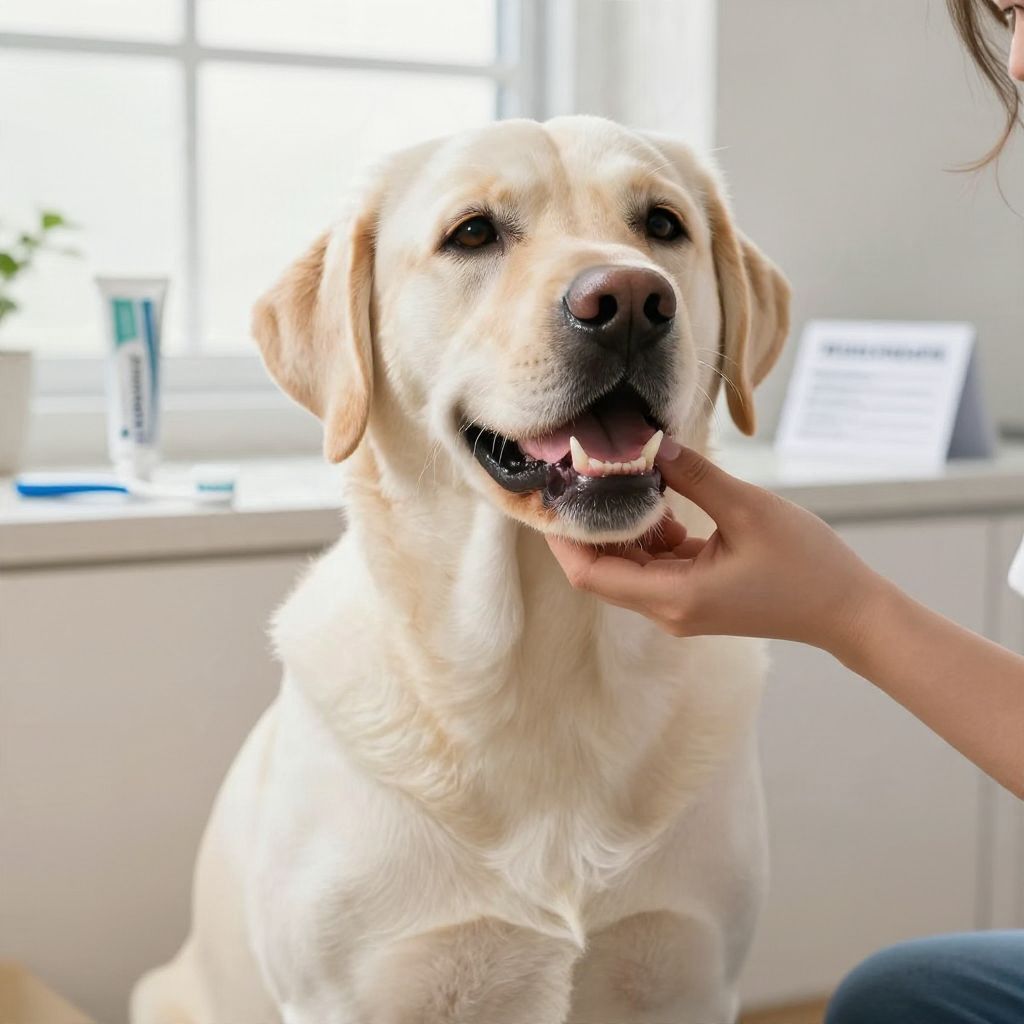
If your dog’s breath smells like fish, it can be unsettling. In many cases, the odor comes from something simple, like food residue or dental disease, but it can also point to a problem that needs veterinary attention.
The right next step depends on whether the smell is brief or persistent, and whether your dog has other signs such as drooling, vomiting, pawing at the mouth, or changes in appetite. A fishy odor is worth checking, especially if it keeps coming back.
Why does my dogs breath smell like fish?
A fishy smell from your dog’s mouth is often caused by dental plaque, gum disease, anal gland issues, or something they ate. If the odor is persistent, strong, or paired with other symptoms, schedule a veterinary exam to rule out infection, oral pain, digestive problems, or metabolic disease.
Common causes of fishy dog breath
Dental plaque and gum disease
One of the most common reasons for bad breath in dogs is dental disease. Bacteria on the teeth and along the gumline can create a strong, unpleasant odor that some people describe as fishy.
Look for signs such as:
- Yellow or brown buildup on the teeth
- Red, swollen, or bleeding gums
- Chewing on one side
- Dropping food or avoiding hard kibble
- Pawing at the mouth
Dental disease can be painful and may lead to tooth loss or infection if ignored.
Anal gland odor transferred to the mouth
Dogs sometimes lick themselves after an anal gland issue, and the smell can seem like it is coming from their breath. Anal gland fluid has a very strong, fishy odor, so if your dog has been scooting, licking the rear end, or seems uncomfortable when sitting, this may be part of the problem.
Anal gland problems are not usually an emergency, but they should be checked if they keep happening or your dog seems painful.
Diet-related odor
What your dog eats can affect breath. Fish-based foods, fish treats, table scraps, or scavenging can leave a temporary odor. In some dogs, food stuck around the lips or teeth also contributes to smell.
If the odor appears right after meals and fades, diet may be the reason. If it stays around all day, another cause is more likely.
Something stuck in the mouth
A piece of food, a bone fragment, a stick, or other debris can get trapped between teeth or under the gums. This can cause bad breath quickly, along with discomfort, drooling, or trouble eating.
If you can safely look in your dog’s mouth and see a loose object, do not force it out if it seems embedded. A veterinarian should remove anything that may be lodged or causing injury.
Digestive upset or vomiting
Sometimes a fishy or sour odor comes from stomach upset, regurgitation, or vomit residue around the mouth. Dogs with nausea may also drool, lick their lips, or refuse food.
If your dog’s breath smells bad and they are vomiting, lethargic, or not eating, call your vet for guidance.
Metabolic or organ disease
Less commonly, breath odor can reflect internal disease. Kidney problems, liver disease, and diabetes can all change the smell of a dog’s breath, though the odor is not always fishy and may be sweet, metallic, or ammonia-like.
Because these conditions can be serious, persistent breath changes with increased thirst, weight loss, vomiting, or low energy deserve prompt veterinary evaluation.
When fishy breath is a warning sign
Bad breath alone is not always an emergency, but certain signs mean your dog should be seen soon. Do not wait if the smell comes with pain, swelling, or sudden illness.
- Swollen face or jaw
- Bleeding from the mouth
- Difficulty eating or swallowing
- Repeated vomiting
- Severe drooling
- Collapse, weakness, or marked lethargy
- Bloated abdomen
- Signs of trouble breathing
If your dog has a very foul odor plus any of these symptoms, contact a veterinarian right away or seek urgent care.
What you can do at home
There are safe, practical steps you can take while you figure out the cause. These help most when the issue is mild or related to routine oral care.
- Check the mouth gently. Look for obvious food debris, swelling, broken teeth, or red gums. Stop if your dog resists or seems painful.
- Think about recent meals. Fish treats, wet food, or scavenged items may explain a short-lived odor.
- Watch for other symptoms. Note drooling, vomiting, appetite changes, scooting, or changes in drinking and urination.
- Brush if your dog tolerates it. Regular tooth brushing with dog-safe toothpaste can reduce plaque and odor over time.
- Book a dental exam if the smell persists. Ongoing breath odor usually means there is an underlying issue that home care alone will not fix.
What not to do
When you notice fishy breath, it is tempting to mask the smell quickly. That can delay proper treatment.
- Do not give human mouthwash or toothpaste.
- Do not try to scrape tartar off teeth yourself.
- Do not ignore ongoing bad breath in older dogs just because it seems “normal.”
- Do not use essential oils or strong home remedies in the mouth.
These can irritate tissues or be unsafe if swallowed.
How a veterinarian may investigate it
If the odor keeps coming back, your vet may examine the teeth and gums, check the tongue and throat, and ask about diet, chewing habits, and stool or anal gland issues. Depending on the findings, they may recommend dental cleaning, X-rays, or tests for internal disease.
The exact workup depends on your dog’s age, breed tendencies, medical history, and other symptoms. A young dog with mild plaque needs a different approach than a senior dog with weight loss or increased thirst.
How to prevent fishy breath from coming back
Prevention depends on the cause, but good oral care and routine monitoring help most dogs.
- Brush teeth regularly with dog-safe products
- Use vet-approved dental chews or diets if recommended
- Schedule routine dental checks
- Keep trash, fish scraps, and bones out of reach
- Address scooting, licking, or anal gland problems early
- Seek care promptly for vomiting, mouth pain, or appetite changes
Some dogs are more prone to dental disease than others, especially smaller breeds and dogs with crowded teeth, but any dog can develop bad breath if oral care is neglected.
Fishy breath in puppies, adults, and senior dogs
Age matters because the likely cause can change over time. Puppies may have bad breath from teething, chewing on dirty objects, or digestive upset, while adult dogs more often develop plaque or diet-related odor. Senior dogs are more likely to have dental disease or underlying illness.
If your puppy’s breath suddenly smells fishy and they are not acting normally, do not assume it is just teething. Puppies can become sick quickly and should be checked if they are vomiting, weak, or not eating.
When to call the vet now versus later
Call your vet soon if the smell lasts more than a few days, keeps returning, or is paired with visible plaque, red gums, or scooting. Call urgently if your dog has trouble breathing, swelling, severe pain, repeated vomiting, or cannot eat or drink normally.
In general, a short-lived odor after eating fish is less concerning than persistent fishy breath with mouth pain or whole-body symptoms.
If you want to learn more about possible related causes, you may also find why your dog is drooling helpful, especially when bad breath and drooling happen together. If your dog may have eaten fish, this guide on whether dogs can eat raw fish can also help you avoid food-related problems.
If your dog’s breath smells like fish, start by checking for dental disease, recent food changes, and other symptoms. If the odor does not fade quickly or your dog seems unwell, book a veterinary exam so the underlying cause can be treated safely.