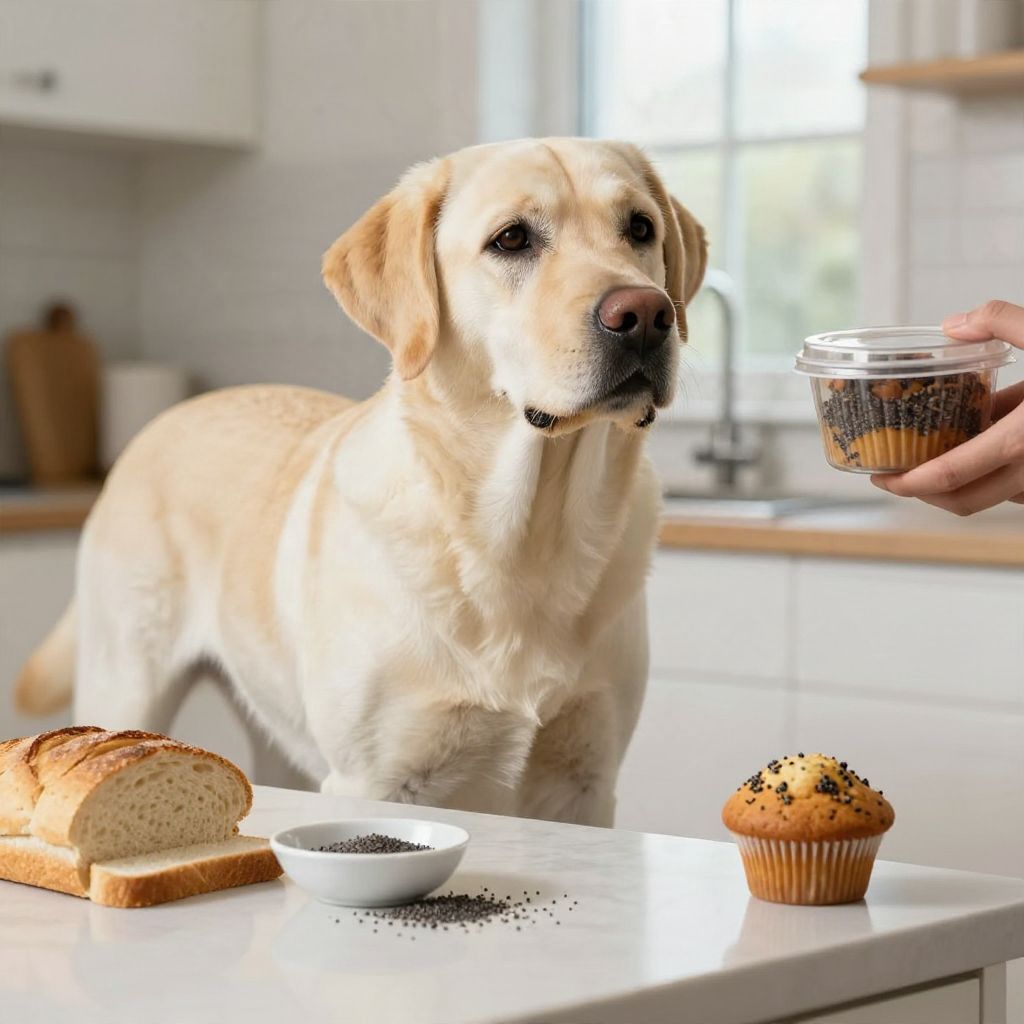
Can dogs eat poppy seeds? In general, it’s best not to feed them to your dog. Even small amounts can be a concern because poppy seeds may contain compounds from the poppy plant that can affect the nervous system, and they’re not a useful part of a dog’s diet.
If your dog ate poppy seeds by accident, the risk depends on how much was eaten, your dog’s size, and whether the seeds were part of a baked food, bagel, muffin, or another recipe with extra ingredients. Watch closely and contact your veterinarian if you notice any unusual signs.
Can Dogs Eat Poppy Seeds?
No, dogs should not intentionally eat poppy seeds. While a tiny accidental exposure may not always cause obvious problems, poppy seeds are not considered a safe or appropriate treat for dogs, and larger amounts can be risky. If your dog has eaten them, it’s wise to monitor closely and call your vet for guidance.
Why Poppy Seeds Can Be a Problem for Dogs
Poppy seeds come from the poppy plant, and that plant can contain naturally occurring compounds that may be harmful to dogs. The concern is not just the seed itself, but also the possibility of contamination or higher exposure in some foods.
Possible effects to watch for
- Sleepiness or unusual lethargy
- Wobbliness or poor coordination
- Vomiting or gastrointestinal upset
- Reduced appetite
- Behavior that seems “off” or less responsive than usual
These signs are not specific to poppy seeds alone, so they should be taken seriously whenever your dog may have eaten something unsafe.
What to Do If Your Dog Ate Poppy Seeds
If your dog ate poppy seeds, stay calm and assess the situation. The amount eaten, your dog’s body size, and what else was in the food matter a lot. A small crumb from a poppy seed muffin is different from a dog eating several baked goods or a large amount of loose seeds.
- Remove any remaining food so your dog cannot eat more.
- Check the package or recipe for other ingredients that may be unsafe, such as chocolate, raisins, xylitol, or nutmeg.
- Note how much was eaten and when it happened.
- Call your veterinarian or a pet poison helpline for advice, especially if the amount was more than a tiny taste.
- Monitor your dog closely for changes in energy, walking, breathing, or vomiting.
Do not try unsafe home remedies
Do not induce vomiting unless a veterinarian specifically tells you to do so. Some situations make vomiting dangerous, and home treatment can make things worse.
When Poppy Seed Exposure Is an Emergency
Seek urgent veterinary care right away if your dog shows any of the following after eating poppy seeds or a poppy seed-containing food:
- Severe sleepiness or difficulty staying awake
- Stumbling, weakness, or inability to walk normally
- Slow, difficult, or unusual breathing
- Collapse
- Repeated vomiting
- Seizures
- Blue, pale, or gray gums
These are red-flag symptoms and should not be watched at home.
Does the Risk Change by Dog Size, Age, or Health?
Yes. A small dog may be affected by a smaller amount than a larger dog, and puppies can be more vulnerable because they are smaller and still developing. Senior dogs or dogs with existing medical conditions may also handle accidental exposure less well.
Your dog’s individual sensitivity matters too. Some dogs may show signs after a small exposure, while others may seem normal. That variability is one reason it’s better not to treat poppy seeds as a harmless snack.
Are Poppy Seed Foods More Dangerous Than Plain Seeds?
Often, yes. Many poppy seed foods are baked goods that may contain sugar, butter, salt, or other ingredients that are not ideal for dogs. Some recipes also include ingredients that are clearly toxic to dogs, such as chocolate or raisins.
- Poppy seed bagels: usually not toxic because of the bagel alone, but still not a good dog food
- Poppy seed muffins or cakes: may include extra ingredients that add risk
- Loose poppy seeds: still not recommended and can be harder to evaluate for exposure amount
What About a Tiny Taste?
A tiny accidental lick or crumb may not cause illness in every dog, but that does not make poppy seeds a safe treat. The safest approach is to avoid offering them and to keep poppy seed foods out of reach.
If your dog only had a very small amount and seems normal, your vet may advise observation at home. Still, call if you are unsure, especially for puppies, toy breeds, dogs with health problems, or any dog showing unusual signs.
How to Prevent Poppy Seed Accidents
Prevention is mostly about food management and household habits. Dogs are often quick to grab dropped food from counters, tables, or the floor, especially if they have a history of scavenging.
- Store baked goods in closed containers or high cabinets.
- Keep food away from counters and table edges.
- Clean up crumbs promptly after meals or baking.
- Teach a reliable “leave it” cue using reward-based training.
- Supervise dogs around snacks, picnics, and holiday food.
Safer Treat Options Instead of Poppy Seeds
If you want to share a treat, choose dog-safe foods that fit your dog’s normal diet and any veterinary restrictions. Treats should stay limited and should not replace balanced dog food.
- Small pieces of plain cooked meat with no seasoning
- Plain vegetables that are safe for dogs, prepared simply
- Commercial dog treats made for your dog’s size and age
If your dog has allergies, pancreatitis, kidney disease, diabetes, or another health condition, ask your veterinarian before offering new foods.
When to Call Your Veterinarian
Call your veterinarian if your dog ate an unknown amount of poppy seeds, ate a poppy seed-containing baked good, or seems unwell afterward. Even if the exposure seems minor, your vet can help you decide whether home monitoring is enough.
Be ready to share your dog’s weight, the time of exposure, the food involved, and any symptoms you’ve noticed. That information helps your vet give better guidance.
Bottom Line
Can dogs eat poppy seeds? It’s safest to say no. Keep poppy seeds and poppy seed foods away from your dog, and treat any accidental exposure seriously if symptoms appear. When in doubt, call your veterinarian promptly.
If you’re checking other food-safety questions, you may also find it helpful to read about can dogs eat avocado and can dogs eat limes.