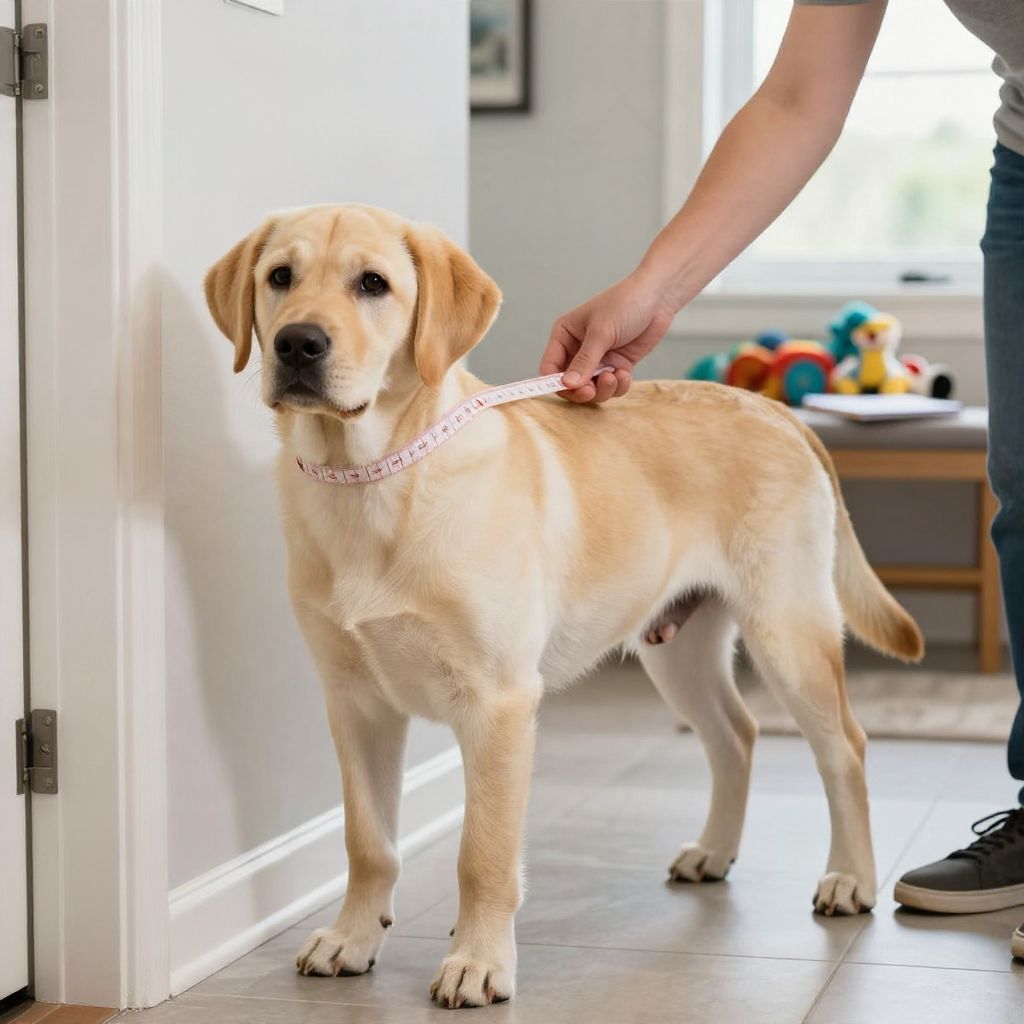
If you’re wondering when your puppy will stop getting bigger, the answer depends mostly on breed and body size. Small dogs usually finish growing earlier, while large and giant breeds often keep developing for much longer.
Growth is not just about height and weight. Bones, muscles, joints, and even behavior continue maturing after a dog looks “adult,” so it helps to know what to expect at each stage.
At what age do dogs stop growing?
Most dogs stop getting taller between 6 and 18 months, but some large and giant breeds may keep filling out until 18 to 24 months or even longer. Small breeds usually mature sooner, while bigger dogs often need more time for bones, joints, and muscle development to finish.
Why the answer depends on breed and size
There is no single age that fits every dog. A toy breed may look fully grown in under a year, while a giant breed can still be changing well past its first birthday.
Typical growth patterns by size
- Small breeds: often reach adult height around 8 to 12 months.
- Medium breeds: often finish growing around 12 to 15 months.
- Large breeds: may keep growing until 15 to 18 months.
- Giant breeds: may continue maturing until 18 to 24 months or longer.
These are general patterns, not guarantees. Genetics, nutrition, health, and whether a puppy was spayed or neutered can also affect development.
How to tell when your dog is done growing
Dogs usually stop growing in height before they stop filling out. You may notice that your puppy’s legs and frame look more adult-like first, while the chest, muscles, and body condition continue to change.
Common signs growth is slowing down
- Height changes become less noticeable month to month.
- The puppy’s paws and legs look more proportionate to the body.
- Teething is finished and adult teeth are in place.
- Energy may still be high, but the body looks less “puppyish.”
- Weight gain becomes more about muscle and body condition than rapid growth.
Even after the body looks mature, your dog may still be mentally adolescent. Many dogs need continued training and structure well after they stop growing physically.
Growth stages: what to expect as your puppy matures
Birth to 8 weeks
Puppies grow very quickly during this stage. They depend on their mother or a careful caregiver for warmth, nutrition, and safety.
8 weeks to 6 months
This is a major growth period for most dogs. You may see rapid changes in size, coordination, and appetite.
6 to 12 months
Many dogs slow down in height growth, but they are still developing. This is often when energy, curiosity, and training needs remain high.
12 months and beyond
Some dogs are nearly adult-sized by now, but large breeds may still be filling out. Joint and muscle development can continue for months after height growth slows.
How nutrition affects growth
Good nutrition supports steady, healthy development. Puppies need a balanced puppy food that matches their life stage and expected adult size, because their calorie and mineral needs differ from adult dogs.
Overfeeding can encourage too-rapid weight gain, which may stress growing joints. Underfeeding can also be harmful, especially in puppies that need enough energy and nutrients for normal development.
Helpful feeding tips
- Choose a complete and balanced food labeled for your puppy’s life stage.
- Feed measured meals rather than free-feeding in most cases.
- Monitor body condition, not just the number on the scale.
- Ask your veterinarian before changing diets for a fast-growing large-breed puppy.
If your puppy seems unusually hungry, is gaining too quickly, or is not growing as expected, your veterinarian can help you check whether the diet and growth rate are appropriate.
Exercise and activity while your dog is still growing
Exercise is important, but young dogs should not be pushed into repetitive high-impact activity before their bodies are ready. Too much jumping, long forced runs, or intense stair climbing may be hard on growing joints, especially in larger dogs.
Safer activity choices for growing dogs
- Short, frequent walks
- Gentle play sessions
- Basic training games
- Supervised exploration on safe surfaces
- Low-impact enrichment, such as sniffing games and puzzle feeders
Let your puppy rest often. Tired puppies can become clumsy, overexcited, or more likely to get injured.
Training and behavior while your dog matures
Physical growth and behavior maturity do not happen at the same pace. A dog may look adult-sized but still act like a puppy, especially in impulse control, focus, and social behavior.
What helps during the growing months
- Reward-based training with treats, praise, or play
- Consistent routines for meals, potty breaks, and sleep
- Early socialization with safe people, dogs, and environments
- Short training sessions that match your puppy’s attention span
- Management tools like crates, gates, and leashes to prevent bad habits
Patience matters. Many puppies improve steadily as they mature, but they still need practice and guidance.
When growth seems unusual
Most puppies grow in a fairly predictable way, but some need veterinary attention. Growth problems can be related to nutrition, parasites, illness, hormone issues, or inherited conditions.
Call your veterinarian if you notice:
- Very slow growth or sudden loss of weight
- Persistent vomiting or diarrhea
- Poor appetite for more than a day in a young puppy
- Limping, stiffness, or obvious pain
- A swollen belly, severe weakness, or collapse
- One leg or body area growing very differently from the others
Seek urgent veterinary care if your puppy cannot stand, has trouble breathing, has a bloated abdomen, or seems in severe pain. Those signs are not normal growth changes.
Common mistakes when wondering if a dog is fully grown
It’s easy to assume that a dog is done growing once the puppy look fades. In reality, many dogs still need time to mature physically and mentally.
Try to avoid these mistakes
- Switching to adult food too early without veterinary guidance
- Overexercising a young, still-developing dog
- Expecting adult behavior from a dog that is still adolescent
- Using weight alone to judge healthy growth
- Comparing one dog’s timeline to another’s too closely
Instead, track your dog’s body condition, energy level, and overall development over time.
What to ask your veterinarian
Your veterinarian can help you estimate when your dog will stop growing based on breed, current size, and overall health. This is especially useful if you have a large-breed puppy, a mixed-breed dog with uncertain adult size, or concerns about growth rate.
Helpful questions include:
- Is my puppy growing at a healthy rate?
- Should I stay on puppy food, and for how long?
- How much exercise is safe right now?
- Are there any signs of joint or bone problems to watch for?
The bottom line
So, at what age do dogs stop growing? Most stop getting taller somewhere between 6 and 18 months, but larger dogs may keep maturing until 2 years old or more. Watch your dog’s body condition, feed appropriately, and check with your veterinarian if growth seems off.
If you want to learn more, you may also find when dogs are fully grown and when a dog is considered a senior helpful for planning the next stages of care.