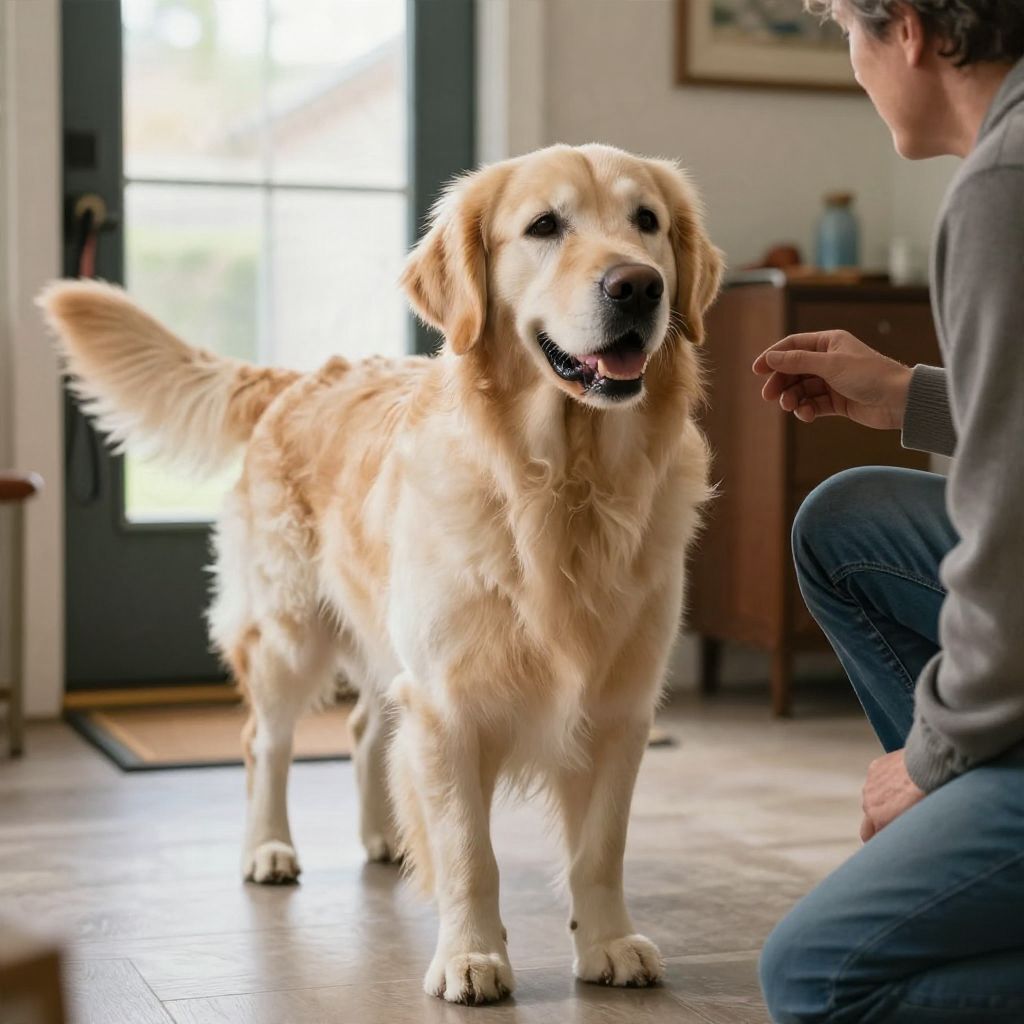
Do dogs remember people? Usually, yes. Dogs can recognize familiar people through a mix of scent, sight, voice, and past experiences, and many remember positive or negative interactions for a long time.
How clearly a dog remembers someone depends on the individual dog, the strength of the bond, and how often they have been apart. If your dog seems unsure after a long gap, that does not always mean they forgot; they may just need time to reconnect.
Do dogs remember people?
Yes. Dogs can remember people by scent, voice, appearance, and emotional association, especially when the relationship was meaningful. Memory varies by dog and situation, so some dogs greet an old friend instantly while others need a calm reintroduction before they seem sure.
How dogs recognize familiar people
Dogs do not rely on one sense alone. They combine several clues to identify you, which is why a dog may recognize you before they are close enough to see your face clearly.
Scent is often the strongest cue
A dog’s sense of smell is far more developed than ours, so your unique scent can be a powerful memory trigger. That is one reason dogs may recognize a person after months or even years apart.
Voice and tone matter too
Many dogs respond to a familiar voice, especially if it has been associated with comfort, play, meals, or training. A cheerful tone can help a dog feel safe, while a tense or unfamiliar tone may make them cautious.
Body language and routine help recognition
Dogs notice posture, movement, gait, and habitual routines. If you always approach gently, crouch, or reach in a familiar way, your dog may connect those patterns with you even before a full reunion.
What kind of memory do dogs have?
Dogs appear to have both short-term and long-term memory, but their memory is not exactly like a human’s. They often remember what matters to them: people, places, rewards, fears, and repeated experiences that carry strong emotional value.
Emotion-linked memories tend to last longer
A dog is more likely to remember someone who provided safety, food, play, or affection. They may also remember a frightening or painful experience, which is why gentle handling matters so much.
Repetition strengthens memory
Regular, positive contact helps a dog keep a person in memory. If someone was only around briefly or rarely, the dog may still recognize them later, but the response may be less immediate.
Why some dogs seem to “forget” people
Sometimes a dog appears not to remember a person, but the issue is actually uncertainty, stress, age-related change, or a lack of recent exposure. A few common reasons can explain the behavior without assuming the bond is gone.
- Long separation: The dog may need time to reprocess the person’s scent, voice, and appearance.
- Different setting: A dog may not recognize someone as easily in a new place or with different clothing, hair, or accessories.
- Stress or overstimulation: Excitement can make a dog act distracted or unsure.
- Poor early socialization: Some dogs are slower to trust unfamiliar people.
- Health or age-related changes: Vision, hearing, pain, or cognitive decline can affect recognition.
Do dogs remember people after years?
Often, yes, especially if the relationship was strong. Many dogs can reconnect after a long absence, though the reunion may not look dramatic at first. Some dogs need a few minutes, or even a few visits, to fully settle and show recognition.
If your dog lived with someone in the past, the reunion is usually best handled calmly. Let the dog approach at their own pace rather than forcing contact or hugging immediately.
Signs your dog remembers someone
Recognition can look different from dog to dog. Some dogs are exuberant, while others are quiet but clearly engaged.
- Relaxed body posture
- Soft eyes and loose facial muscles
- Tail wagging in a natural, loose motion
- Approaching voluntarily
- Sniffing the person repeatedly
- Seeking attention, play, or closeness
- Calming down faster after initial excitement
Some dogs may also show mixed signals at first, such as barking, pacing, or backing away. That can mean they are uncertain, not that they do not remember.
What affects how well a dog remembers people?
Memory is individual. Breed can influence typical tendencies, but it does not determine whether a specific dog will remember someone. Age, health, temperament, training history, and the quality of the original relationship all matter.
Age and life stage
Puppies are still learning social patterns, so their memories of people may be less stable than those of adult dogs. Senior dogs may remember familiar people well, but cognitive changes, hearing loss, or vision decline can make recognition slower.
Health and sensory changes
If a dog has trouble seeing, hearing, or moving comfortably, they may seem less responsive. Pain, anxiety, or illness can also make a dog less socially engaged.
Past experiences
A dog that has had many positive interactions with a person is more likely to remember them fondly. A dog with limited exposure may recognize the person less confidently, even if they do remember them.
How to help your dog recognize someone again
If you are reuniting your dog with a family member, friend, or former caregiver, keep the first meeting calm and low-pressure. A thoughtful introduction can reduce stress and make recognition easier.
- Let the person arrive quietly without rushing toward the dog.
- Allow the dog to sniff first from a comfortable distance.
- Use a calm, familiar voice.
- Offer treats only if the dog is comfortable and the person is not looming over them.
- Give the dog a chance to leave and return on their own.
- Keep the first interaction short and positive.
If your dog seems nervous, avoid forcing eye contact, petting, or a hug. Pressure can make a reunion harder, even when the person is familiar.
Common mistakes during reunions
When people are excited to see a dog again, they sometimes do too much too quickly. That can overwhelm the dog and delay recognition or trust.
- Running straight at the dog
- Reaching over the dog’s head
- Forcing the dog to sit still for affection
- Using a loud, excited voice right away
- Ignoring signs of stress such as lip licking, yawning, or turning away
Instead, let the dog set the pace. A calm reunion is usually safer and more successful than an enthusiastic one.
When memory changes may signal a health problem
If your dog suddenly seems confused, disoriented, or unable to recognize familiar people, consider a veterinary checkup. Memory or recognition changes can sometimes be related to pain, sensory loss, neurological disease, or canine cognitive dysfunction.
Call a veterinarian promptly if you notice
- Sudden confusion or disorientation
- Major behavior changes
- Getting lost in familiar places
- Staring, pacing, or nighttime restlessness
- Reduced response to familiar voices or cues
- New aggression, fear, or withdrawal
Seek urgent veterinary care if the change is sudden and severe, or if it happens with collapse, seizures, trouble walking, head tilt, vomiting, severe lethargy, or possible toxin exposure.
Can dogs remember good and bad people?
Dogs can remember how people made them feel. A dog may become excited around someone associated with play or comfort, or cautious around someone linked to fear, rough handling, or stress.
That does not mean a dog is being “stubborn” or “grudging.” It usually reflects learned associations. If a dog is fearful, give them space and work with a qualified reward-based trainer or veterinary behaviorist rather than trying to force confidence.
How to build positive memories with your dog
You can help your dog remember you and other people in a good way by making interactions predictable and pleasant. This is especially helpful for puppies, newly adopted dogs, and dogs meeting family members after long gaps.
- Use calm, consistent greetings
- Pair your presence with treats, play, or gentle praise
- Respect your dog’s need for space
- Practice short, positive visits instead of long, intense ones
- Keep routines stable when possible
These habits support trust and make recognition easier over time.
Bottom line
Most dogs do remember people, especially when the relationship was strong and the memories were repeated, positive, and emotionally meaningful. If your dog seems unsure after time apart, stay calm, move slowly, and let them reconnect at their own pace.
For more dog behavior context, you may also find do dogs think? and do dogs know what kisses are? helpful as you learn how dogs perceive people and affection.