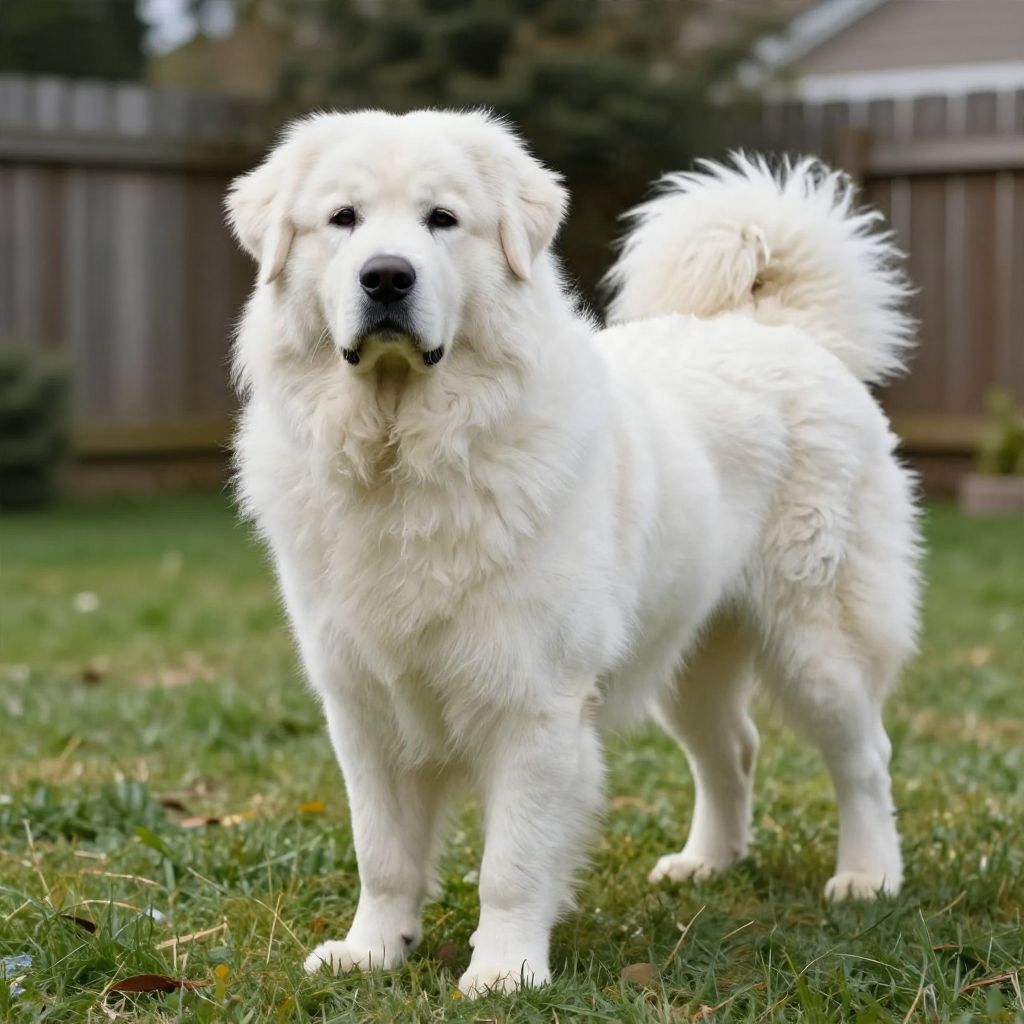
How long do Great Pyrenees live? Most live about 10 to 12 years, though some may live a little longer with excellent care and good luck. Their lifespan depends on genetics, body condition, daily habits, and how quickly health problems are caught and treated.
If you have a Great Pyrenees, the best way to support a longer, healthier life is to focus on weight control, joint care, regular vet visits, and early attention to changes in appetite, movement, breathing, or behavior.
How long do Great Pyrenees live?
Great Pyrenees typically live around 10 to 12 years, though individual dogs may fall outside that range. Larger dogs often age faster than smaller breeds, so prevention matters: keeping your dog lean, active, and medically monitored can help improve quality of life and may support longevity.
What affects a Great Pyrenees lifespan?
Several factors influence how long a Great Pyrenees lives, and most are partly within your control. Breed size, inherited health risks, body weight, activity level, and access to veterinary care all play a role.
1. Genetics and inherited health risks
Like all breeds, Great Pyrenees can be prone to certain health issues. Not every dog develops them, but a family history of orthopedic disease, heart problems, or cancer can affect lifespan.
2. Body weight
Extra weight puts stress on joints, heart, and lungs. Because Great Pyrenees are large dogs, even a modest amount of excess weight can make mobility and aging problems worse.
3. Preventive veterinary care
Routine exams help catch issues early, when treatment is often more effective. Dental disease, arthritis, endocrine disorders, and some cancers may not be obvious at first.
4. Daily lifestyle
Regular exercise, mental enrichment, parasite prevention, and a balanced diet all matter. A calm, predictable routine can also help you notice subtle changes sooner.
Great Pyrenees life stages: what to expect
Your dog’s needs change over time. Knowing what is typical at each stage can help you adjust care before small issues become bigger ones.
Puppy to young adult
Great Pyrenees puppies grow quickly and need careful management while their bones and joints develop. Avoid overexertion, rough repetitive jumping, and rapid weight gain.
- Use age-appropriate puppy food until your veterinarian says it is time to switch.
- Keep growth steady rather than fast.
- Focus on gentle socialization and basic manners.
- Schedule regular vet visits and stay current on vaccines and parasite prevention.
Adult years
Adult Great Pyrenees often become more settled, but they still need consistent exercise and structure. Many do well with moderate daily walks, supervised outdoor time, and low-impact enrichment.
- Monitor weight at every vet visit.
- Brush regularly to manage the thick coat and check skin, ears, and feet.
- Watch for stiffness after rest, limping, or reluctance to climb stairs.
- Keep training positive and consistent, especially for leash manners and recall.
Senior years
As they age, Great Pyrenees may slow down, sleep more, and need more support for joints and comfort. Senior dogs benefit from earlier detection of pain and a home setup that reduces strain.
- Use non-slip surfaces where possible.
- Provide supportive bedding.
- Shorten but do not eliminate exercise.
- Ask your veterinarian about senior screening and pain management options if needed.
Common health problems that can shorten lifespan
Not every Great Pyrenees will face these issues, but they are important to know because early recognition can improve outcomes. If you notice symptoms, contact your veterinarian promptly.
Joint and mobility problems
Large breeds are more likely to develop arthritis and other orthopedic concerns. Signs include stiffness, slower movement, trouble rising, limping, or avoiding activity they used to enjoy.
Bloat and other emergency abdominal problems
Large, deep-chested dogs can be at risk for gastric dilatation-volvulus, often called bloat. This is a life-threatening emergency.
Seek urgent veterinary care immediately if your dog has a swollen abdomen, repeated unproductive retching, severe restlessness, drooling, weakness, or collapse.
Heart disease
Some dogs develop heart disease as they age. Coughing, exercise intolerance, fainting, or rapid breathing are warning signs that should be checked by a veterinarian.
Cancer
Cancer risk increases with age in many dogs. Unexplained lumps, weight loss, decreased appetite, persistent lameness, or bleeding should never be ignored.
Skin, ear, and coat issues
The dense coat can trap debris and make it harder to notice skin problems early. Watch for odor, redness, itching, hair loss, or repeated ear shaking.
How to help a Great Pyrenees live longer
You cannot control every risk, but you can make choices that support healthy aging. The goal is not just a longer life, but a better one.
- Keep your dog lean. Ask your veterinarian what a healthy body condition looks like for your individual dog.
- Feed a complete, balanced diet. Choose food appropriate for age and size, and avoid overfeeding treats.
- Exercise consistently. Aim for regular, moderate activity rather than occasional intense bursts.
- Protect joints. Limit repetitive jumping and slippery surfaces, especially in puppies and seniors.
- Maintain dental care. Dental disease can affect comfort and overall health.
- Stay on top of preventive care. Vaccines, parasite prevention, and routine exams matter throughout life.
- Notice changes early. Appetite, thirst, energy, breathing, and bathroom habits are useful clues.
Feeding and weight management for a healthier lifespan
Nutrition has a big impact on how a Great Pyrenees ages. A balanced diet, appropriate portions, and controlled growth in puppyhood can help reduce strain on the body.
What to focus on
- Feed a diet designed for your dog’s life stage.
- Measure meals instead of free-feeding unless your veterinarian advises otherwise.
- Use treats sparingly and count them as part of daily intake.
- Ask your veterinarian before changing foods if your dog has medical conditions.
Rapid weight gain in a puppy or adult is a warning sign, not a healthy sign of good appetite. If your Great Pyrenees seems hungry all the time, talk with your veterinarian before increasing food.
Exercise, training, and mental enrichment
Great Pyrenees are often calm indoors, but they still need daily activity and mental engagement. Gentle exercise and reward-based training can help maintain muscle, mobility, and a stable routine.
Good options
- Leash walks on even ground
- Sniffing games
- Food puzzles and scatter feeding
- Short training sessions using rewards
- Supervised outdoor time in a secure area
Avoid overdoing high-impact exercise in young dogs whose joints are still developing. If your dog is stiff or sore after activity, reduce intensity and ask your veterinarian for guidance.
When to call the vet about aging changes
Some changes are expected with age, but others need prompt attention. Do not assume that slowing down is “just old age” without checking for pain or illness.
Call your veterinarian if you notice:
- Sudden weight loss or gain
- Persistent coughing or labored breathing
- Vomiting, diarrhea, or loss of appetite lasting more than a day
- Limping, stiffness, or trouble standing up
- New lumps or swelling
- Confusion, accidents in the house, or major behavior changes
- Increased thirst or urination
Emergency signs include collapse, trouble breathing, a swollen abdomen, pale gums, seizures, severe pain, or repeated unproductive retching. These need immediate veterinary care.
What a healthy senior Great Pyrenees can look like
Many senior Great Pyrenees can remain affectionate, alert, and comfortable with the right support. They may slow down, nap more, and prefer shorter walks, but they should still enjoy food, attention, and normal daily interaction.
Healthy aging often looks like gradual change, not a sudden decline. If your dog’s energy, appetite, or mobility shifts quickly, that is a reason to schedule a veterinary visit.
The bottom line on Great Pyrenees lifespan
So, how long do Great Pyrenees live? Most live about 10 to 12 years, and the best way to support a longer life is to keep your dog lean, active, and closely monitored for age-related problems. If you stay proactive with preventive care, you give your Great Pyrenees the best chance at a long, comfortable life.
If you want to compare lifespan expectations with other large breeds, you may also find it helpful to read about how long Rottweilers live or how long Boxers live.