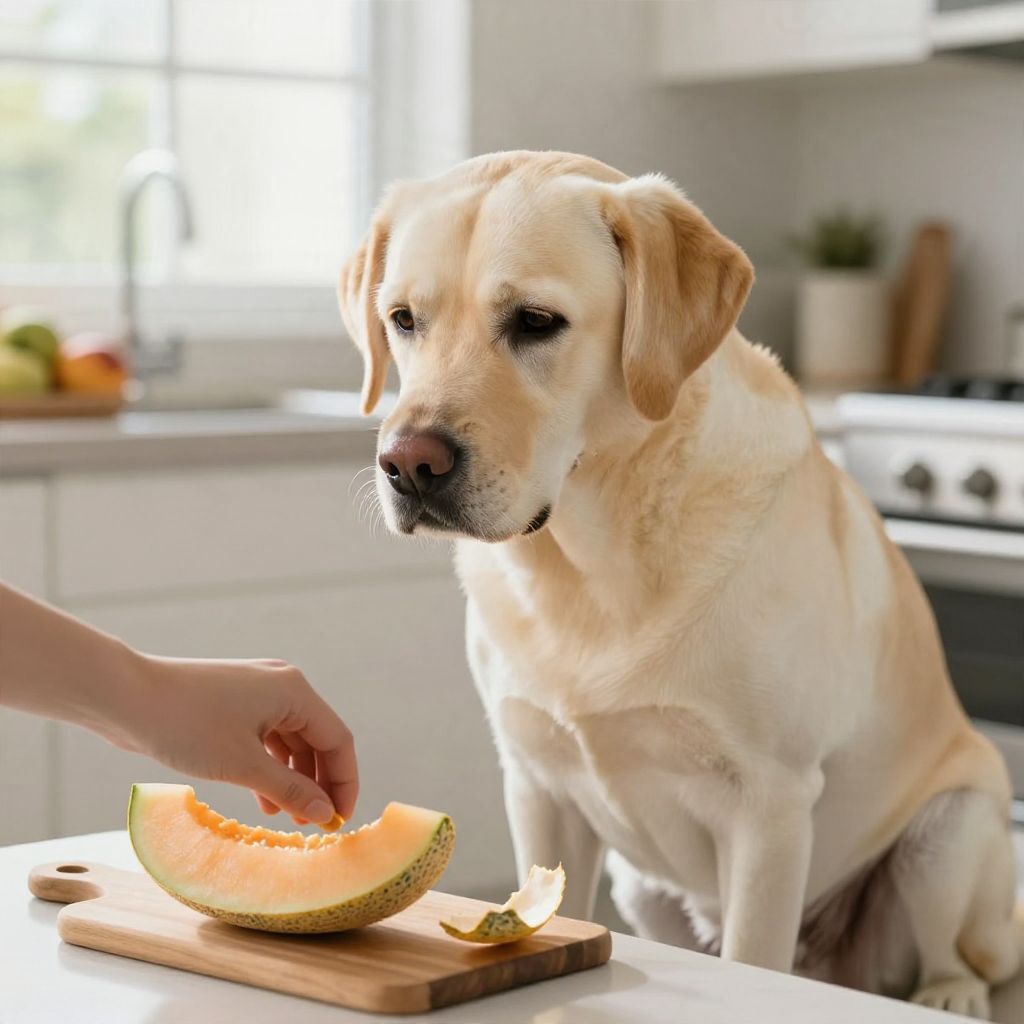
Can dog eat cantaloupe? Yes, in most cases dogs can eat cantaloupe in small amounts as an occasional treat. It should be plain, ripe, and cut into bite-size pieces so your dog can chew it safely.
The main concerns are sugar, choking, and stomach upset. Remove the rind and seeds, and avoid giving cantaloupe to dogs with special dietary restrictions unless your veterinarian says it is okay.
Can Dog Eat Cantaloupe?
Yes, most dogs can eat cantaloupe safely in moderation. Offer only the soft flesh, plain and seed-free, as an occasional treat, not a meal replacement. Too much can cause digestive upset, and dogs with diabetes, pancreatitis, or weight concerns may need to avoid it or eat it only with veterinary guidance.
Is Cantaloupe Safe for Dogs?
Cantaloupe is not toxic to dogs, and many dogs enjoy its sweet, watery texture. It can be a refreshing treat on warm days, especially for dogs that like fruit.
That said, “safe” depends on the form and the dog. A small, healthy adult dog may tolerate a little cantaloupe well, while a puppy, senior dog, or dog with medical issues may need a smaller amount or none at all.
What part of cantaloupe can dogs eat?
- Safe: the orange flesh, cut into small pieces
- Not recommended: the rind, because it is tough and hard to digest
- Not recommended: seeds, which can be a choking or stomach-upset risk
Benefits of Cantaloupe for Dogs
Cantaloupe contains water, fiber, and some vitamins, so it can be a hydrating treat in small amounts. Because it is naturally sweet, many dogs find it rewarding without needing processed snacks.
Still, treats should stay minor in your dog’s overall diet. Even fruits that seem healthy can add unnecessary sugar if you give them often or in large portions.
When cantaloupe may be a better treat choice
- Your dog needs a low-fat snack option
- You want a cool treat in hot weather
- Your dog does well with fruits and vegetables in moderation
Risks of Feeding Cantaloupe to Dogs
The biggest risks are overeating, choking, and digestive upset. Some dogs also do poorly with sugary foods, even natural ones.
1. Stomach upset
Too much cantaloupe can lead to loose stool, gas, or vomiting. This is more likely if your dog is not used to fruit or eats a large amount at once.
2. Choking or intestinal blockage
Large chunks, rind, and seeds can be dangerous, especially for small dogs or dogs that gulp food. Always prepare cantaloupe carefully before offering it.
3. Too much sugar for some dogs
Dogs with diabetes, obesity, or a history of pancreatitis may need fruit treats limited or avoided. If your dog has a medical condition, ask your veterinarian before adding cantaloupe to the diet.
How to Feed Cantaloupe to Your Dog Safely
If you want to share cantaloupe, keep it simple and small. Introduce it slowly the first time so you can watch for any digestive reaction.
- Wash the outside of the melon before cutting it.
- Remove the rind and all seeds.
- Cut the flesh into small, bite-size pieces.
- Offer a few pieces only.
- Watch your dog for stomach upset over the next day.
How much cantaloupe can dogs have?
There is no universal amount that fits every dog. The right portion depends on your dog’s size, diet, activity level, and health. As a general rule, fruit treats should stay small and occasional.
- Tiny dogs: just a few small cubes
- Medium dogs: a small handful at most
- Large dogs: a slightly larger portion, but still modest
If you are unsure, start with less than you think is needed. Treats should never crowd out balanced dog food.
Can Puppies Eat Cantaloupe?
Puppies can usually have a tiny amount of cantaloupe if they are already eating solid food well and have no digestive issues. Their stomachs are often more sensitive than adult dogs’, so keep portions very small.
For puppies, it is especially important to avoid seeds, rind, and large pieces. If your puppy has diarrhea, vomiting, or a sensitive stomach, skip the fruit and ask your vet for guidance.
Can Senior Dogs Eat Cantaloupe?
Many senior dogs can enjoy cantaloupe in moderation, but older dogs may have health conditions that change what is appropriate. Diabetes, dental problems, kidney issues, and weight gain are all reasons to be more cautious.
If your senior dog has trouble chewing, cut the fruit into very small pieces or avoid it if swallowing is unsafe. When in doubt, check with your veterinarian first.
Dogs That Should Not Eat Cantaloupe Without Veterinary Advice
- Dogs with diabetes or unstable blood sugar
- Dogs with pancreatitis or a history of it
- Overweight dogs on a calorie-controlled plan
- Dogs with chronic digestive sensitivity
- Dogs on a prescription diet where treats must be limited
Individual needs vary, so a dog that handles cantaloupe well may not be a good model for another dog in your home.
Signs Your Dog Did Not Tolerate Cantaloupe Well
Watch for mild or moderate digestive signs after your dog eats cantaloupe. These can happen if the portion was too large or if your dog is sensitive to fruit.
- Loose stool or diarrhea
- Vomiting
- Gas or bloating
- Reduced appetite
- Restlessness or discomfort
If symptoms are mild and brief, contact your veterinarian if you are unsure what to do. If symptoms are severe, persistent, or your dog seems unwell, seek veterinary care promptly.
When to Get Urgent Veterinary Help
Some situations need immediate attention and should not wait. Call an emergency veterinarian right away if your dog has any of the following after eating cantaloupe:
- Choking, gagging, or trouble breathing
- A swollen or painful abdomen
- Repeated vomiting
- Severe lethargy or collapse
- Signs of blockage, such as straining, inability to pass stool, or ongoing distress
If your dog swallowed a large amount of rind or seeds, or if you are worried about a blockage, do not try to manage it at home. A veterinarian should assess the risk.
Common Mistakes to Avoid
- Giving cantaloupe rind or seeds
- Offering large chunks that could be swallowed whole
- Using cantaloupe as a regular snack instead of a rare treat
- Assuming all dogs tolerate fruit the same way
- Feeding it to a dog with a medical condition without asking your vet
Can Dogs Eat Cantaloupe Every Day?
Daily cantaloupe is usually not a good idea. Even healthy dogs do better with variety and moderation, and treats should stay a small part of the diet.
If you want to use fruit regularly for training or enrichment, rotate with other dog-safe options and keep portions tiny. Your dog’s main nutrition should come from a complete and balanced dog food.
Simple Ways to Serve Cantaloupe
If your dog tolerates cantaloupe well, there are a few safe ways to offer it.
- Small cubes as a training reward
- Chilled pieces on a hot day
- Mixed into a few pieces of other dog-safe fruit
- Frozen small chunks for a refreshing treat, if your dog chews safely
Always supervise your dog with any new treat, especially if they tend to gulp food.
Conclusion
Can dog eat cantaloupe? Yes, most dogs can enjoy a small amount of plain, seedless cantaloupe as an occasional treat. Keep portions modest, avoid the rind and seeds, and skip it if your dog has a condition that makes sugary snacks risky. When in doubt, ask your veterinarian.
If you want to compare cantaloupe with other dog-safe snacks, you may also find it helpful to read about why corn cobs are unsafe for dogs and whether dogs can eat dried mango.