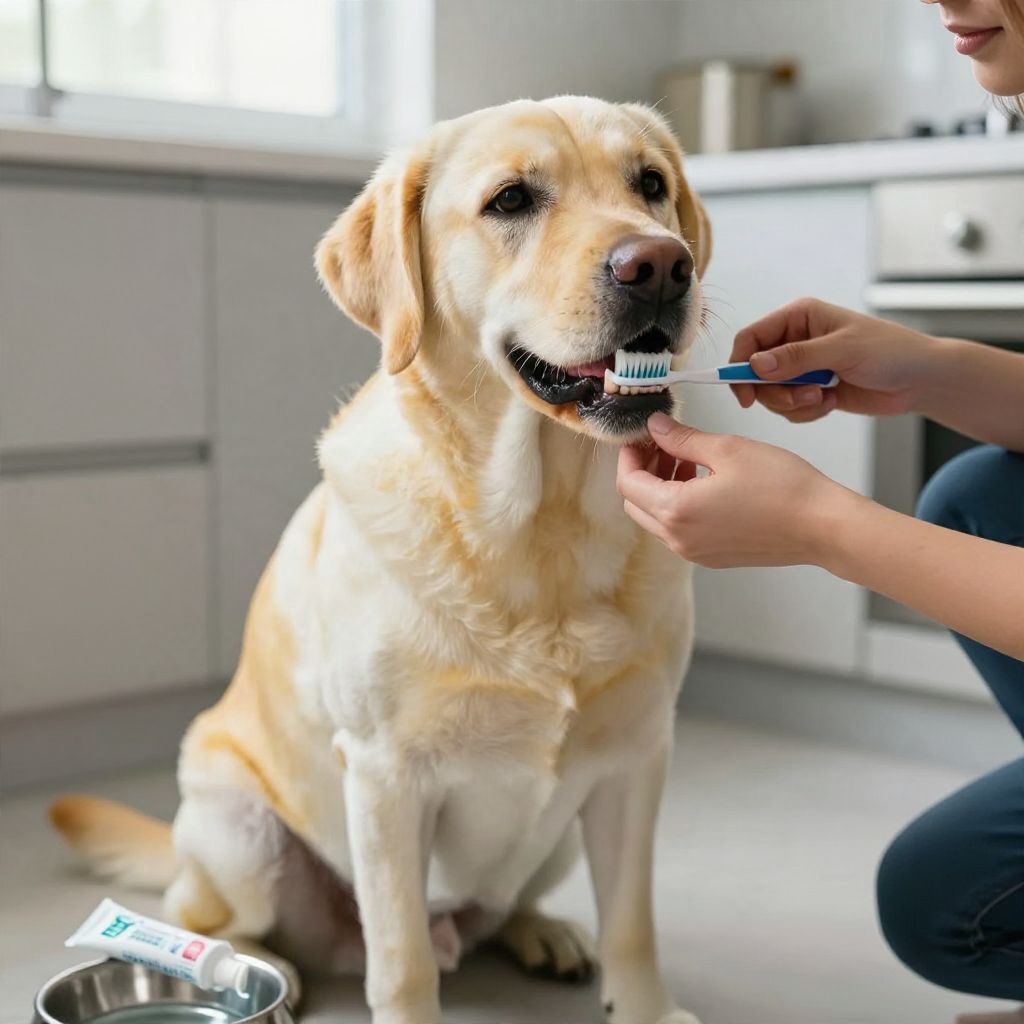
If you keep asking, “Why does my dogs breath stink,” the most common answer is dental disease, but diet, mouth injuries, stomach upset, and some medical conditions can also cause bad breath. A mild odor can happen sometimes, but persistent or worsening smell deserves attention.
The good news is that many causes are manageable once you know what to look for. Some are simple oral hygiene issues, while others need a veterinarian to rule out pain, infection, or an underlying health problem.
Why does my dogs breath stink?
Bad breath in dogs is usually caused by bacteria building up in the mouth, especially from plaque, tartar, gum disease, or food trapped around the teeth. It can also come from something stuck in the mouth, digestive issues, or illness affecting the kidneys, liver, or blood sugar.
Common causes of stinky dog breath
Not all bad breath means the same thing. The smell, your dog’s age, and any other symptoms can help point to the likely cause.
1. Dental plaque and gum disease
This is the most common reason a dog’s breath smells bad. Plaque hardens into tartar, which irritates the gums and allows odor-causing bacteria to grow.
- Yellow or brown buildup on teeth
- Red, swollen, or bleeding gums
- Dropping food or chewing on one side
- Pawing at the mouth
Small dogs, brachycephalic breeds with crowded teeth, and older dogs may be more prone to dental problems, but any dog can develop them.
2. Food and debris in the mouth
Sometimes the smell comes from kibble, treats, grass, or other debris stuck between teeth or under the gums. If your dog recently ate something smelly, the odor may be temporary.
However, if the smell does not go away after normal eating and drinking, it is worth checking for dental disease or a foreign object.
3. Something stuck or a mouth injury
A broken tooth, stick splinter, bone fragment, or wound in the mouth can cause foul breath. These problems may also make your dog reluctant to eat, chew, or let you touch the face.
Do not try to pull out anything deeply embedded in the mouth. That can cause more injury. A veterinarian should remove it safely.
4. Digestive upset
Some dogs with vomiting, reflux, or other gastrointestinal issues may have breath that smells sour, rotten, or unusually strong. This is more likely if your dog also has nausea, reduced appetite, or repeated lip licking.
Digestive causes are less common than dental disease, but they should be considered if the mouth itself looks healthy.
5. Kidney, liver, or metabolic disease
Breath that smells like ammonia, urine, metal, or very sweet fruit can sometimes signal a medical problem. Kidney disease, liver disease, and diabetes are among the conditions a veterinarian may want to rule out.
These illnesses usually cause other changes too, such as increased thirst, more urination, weight loss, lethargy, or appetite changes.
6. Puppy teething or normal temporary odor
Puppies can have mild breath changes while teething because their gums are sore and they chew more. That said, puppy breath should not smell strongly rotten or persistently foul.
If a young dog has very bad breath, swollen gums, or trouble eating, a veterinary exam is a good idea.
When bad breath is a warning sign
Some breath odors are more concerning than others. A sudden change, a very strong smell, or bad breath paired with other symptoms should not be ignored.
- Bleeding gums or visible swelling
- Loose, broken, or painful teeth
- Refusal to eat or chew
- Vomiting, diarrhea, or repeated gagging
- Excessive thirst or urination
- Weight loss or low energy
- Facial swelling or discharge from the nose or mouth
Seek urgent veterinary care if your dog has trouble breathing, a swollen face, a suspected toxin exposure, severe pain, or will not eat or drink.
What you can do at home
Home care can help reduce odor, but it should not replace a veterinary exam if the problem is persistent or severe. The goal is to improve oral hygiene safely and catch disease early.
- Look in the mouth if your dog allows it. Check for redness, tartar, broken teeth, swelling, or something stuck.
- Brush your dog’s teeth with dog-safe toothpaste. Human toothpaste is not safe for dogs, and brushing works best when done regularly.
- Use vet-approved dental chews or oral care products. Choose products made for dogs and, when possible, recommended by your veterinarian.
- Offer fresh water. Good hydration supports overall health and can help rinse away food particles.
- Keep up with routine veterinary dental care. Some dogs need professional cleanings to remove tartar below the gumline.
What not to do
- Do not use human mouthwash or toothpaste
- Do not scrape teeth aggressively at home
- Do not give hard objects that can crack teeth, such as very hard bones or antlers
- Do not assume bad breath is “normal” just because your dog is older
How veterinarians figure out the cause
If your dog’s breath smells bad for more than a short time, your veterinarian may start with an oral exam and then recommend dental X-rays, bloodwork, or other tests depending on the findings. This helps identify whether the problem is limited to the mouth or connected to a larger health issue.
That matters because treating the smell alone does not solve pain, infection, or disease. A dog with advanced dental disease may need professional cleaning and treatment under anesthesia to fully assess the teeth and gums.
How to prevent bad breath from coming back
Prevention is usually a mix of daily oral care and regular veterinary checkups. The earlier you start, the easier it is to keep your dog’s mouth healthier over time.
- Brush teeth consistently, even a few times a week if daily brushing is not realistic
- Schedule regular wellness exams and dental assessments
- Choose appropriate chew items that are not too hard for the teeth
- Watch for changes in appetite, chewing, drooling, or breath odor
- Follow your veterinarian’s advice for dental cleanings and home care
Age, breed, and individual differences
Some dogs are more likely to develop bad breath because of their anatomy or life stage, but there are no guarantees. Small breeds often have crowded teeth, and flat-faced dogs may have mouths that are harder to keep clean. Senior dogs may also develop more dental wear and disease.
Still, any dog can have bad breath if plaque builds up or if another health issue is present. Your dog’s individual habits, diet, chewing behavior, and medical history matter more than breed alone.
When to call the vet
Call your veterinarian if your dog’s breath stays bad for more than a few days, gets worse quickly, or comes with pain, appetite changes, or other symptoms. If you notice tartar, bleeding gums, or a strong rotten smell, a dental exam is especially important.
If the odor is paired with vomiting, increased thirst, lethargy, or weight loss, your dog may need bloodwork and a broader health check rather than just dental care.
In short, the answer to “Why does my dogs breath stink” is often dental disease, but not always. Check the mouth, start safe dental care, and book a veterinary visit if the odor is persistent, severe, or comes with other warning signs.
If you want to keep learning about related signs, you may also find why your dog’s breath smells like fish and why your dog is drooling helpful.