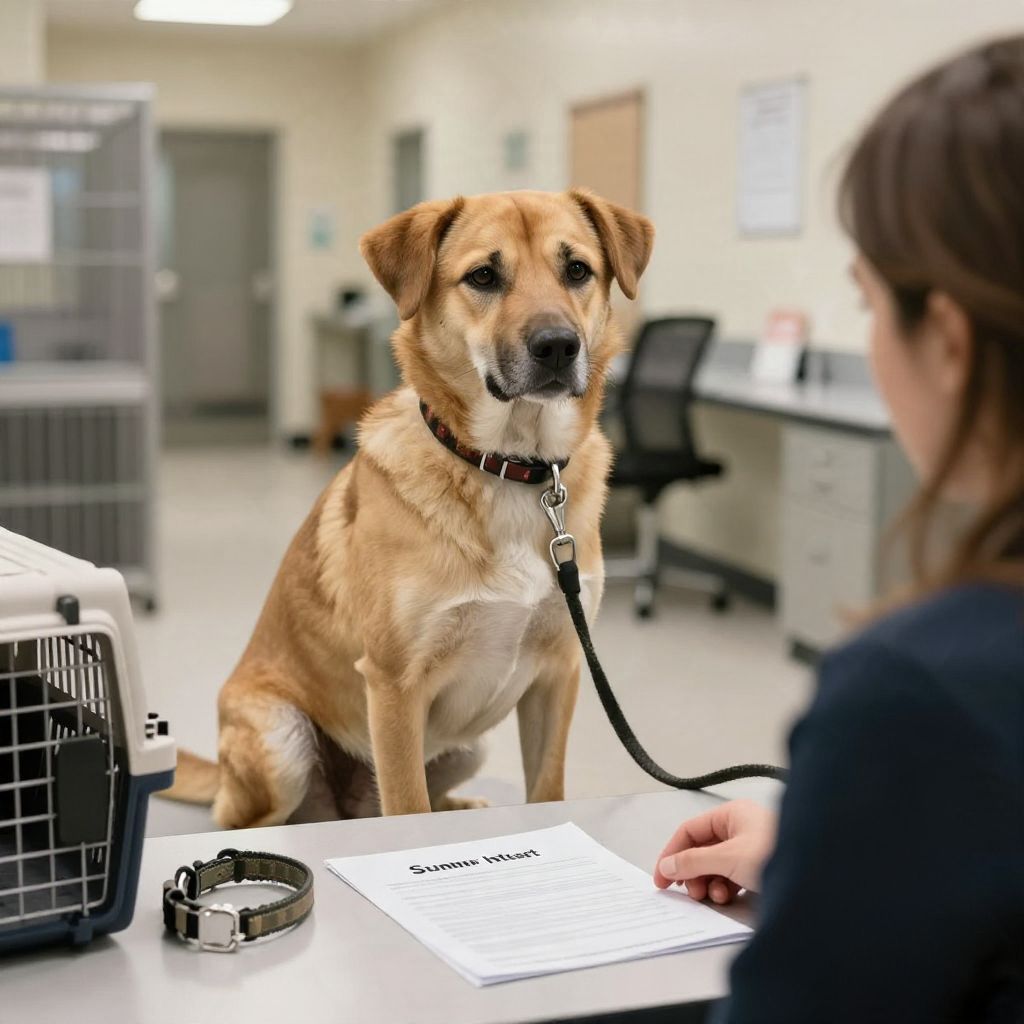
If you need to surrender a dog, start by contacting local shelters, breed rescues, and your veterinarian for options. Gather your dog’s medical records, behavior history, and supplies so the transition is as smooth and honest as possible.
The best path depends on your dog’s age, health, temperament, and your local resources. In many cases, a rescue or rehoming program can help you find the safest, most responsible next step.
How to surrender a dog?
To surrender a dog, contact a shelter, rescue, or animal control agency, ask about their intake process, and provide accurate details about your dog’s health and behavior. Bring records, ID, and supplies if requested. If possible, explore owner-to-owner rehoming first so your dog can move with less stress.
Before you surrender your dog: explore all realistic options
Surrendering a dog is sometimes the safest choice, but it should be a last step after you check whether a temporary or permanent alternative is possible. Your goal is to protect your dog’s welfare and avoid repeated moves.
- Ask family or friends if they can foster temporarily.
- Contact your veterinarian if costs, illness, or behavior concerns are driving the decision; they may know local resources.
- Reach out to breed-specific rescues if your dog’s breed or mix has a dedicated network.
- Look for local rehoming programs that screen adopters and help with placement.
- Consider training or behavior support if the issue is fear, reactivity, house training, or separation distress.
If your dog is aggressive, severely anxious, or medically fragile, a qualified veterinarian or veterinary behaviorist can help you decide whether rehoming is appropriate and how to reduce risk during the transition.
Step-by-step: how to surrender a dog responsibly
- Identify the right organization. Start with municipal shelters, humane societies, rescue groups, or breed rescues in your area.
- Call ahead. Ask whether they accept owner surrenders, whether appointments are required, and whether there is a waitlist.
- Be honest about your dog. Share bite history, fear triggers, medical issues, house-training status, and how your dog behaves with children, dogs, and cats.
- Collect documents. Bring vaccination records, microchip information, medication lists, spay/neuter records, and any behavior notes.
- Prepare supplies if requested. Some organizations may want food, a leash, harness, crate, or familiar blanket.
- Confirm the handoff details. Ask what happens next, whether your dog will be adopted directly or placed in foster care, and whether you can receive updates.
Do not hide behavior problems. A shelter or rescue can only place your dog safely if they know the full picture.
What information to give when surrendering a dog
Clear, accurate information helps the next caregiver meet your dog’s needs and lowers the chance of failed placement. Even small details can matter.
- Medical history: chronic conditions, allergies, injuries, surgeries, current medications, and recent vet visits.
- Behavior history: fear, resource guarding, leash reactivity, separation distress, barking, escape attempts, or bite incidents.
- Daily routine: feeding schedule, potty routine, exercise needs, sleep habits, and crate use.
- Social preferences: how your dog does with adults, children, visitors, dogs, cats, and other animals.
- Training level: cues your dog knows, house-training reliability, and any ongoing training plan.
- Triggers and comforts: thunderstorms, grooming, handling, car rides, or favorite toys and treats.
If your dog has bitten someone or shown serious aggression, say so directly. That information is essential for safety planning.
Where to surrender a dog
The right place depends on your dog’s needs and your local options. Not every organization can take every dog, and some have limited space or intake policies.
Municipal or county shelters
These are often the first contact point for owner surrenders. They may have intake rules, surrender fees, or waiting periods, and they may prioritize stray or emergency cases.
Humane societies and nonprofit rescues
Some rescues take owner surrenders, especially if they have foster homes available. Breed-specific groups may be especially helpful for dogs with breed-related care needs or known tendencies, though every dog is still an individual.
Veterinary behavior or medical referrals
If your dog’s behavior or health issue is the main reason for surrender, your veterinarian may help you find a rescue that can manage special needs or recommend a humane next step.
How to make the transition easier for your dog
A surrender can be stressful, but a few practical steps can reduce confusion and fear. The goal is to make the handoff as calm and predictable as possible.
- Keep routines steady until the day of surrender.
- Use familiar items such as a blanket, bed, or toy if the organization allows it.
- Exercise your dog beforehand with a calm walk or play session if appropriate.
- Avoid a rushed goodbye if your dog becomes more anxious when you linger.
- Use safe transport with a secure leash, harness, or crate.
For puppies, seniors, and dogs with medical issues, ask the receiving organization whether they need special feeding instructions, mobility support, or medication timing.
Common mistakes to avoid when surrendering a dog
Some well-intended choices can make the process harder for your dog and the rescue group. Avoid these common mistakes.
- Abandoning the dog instead of using an official intake or rehoming process.
- Giving incomplete information about aggression, illness, or escape behavior.
- Rehoming through unsafe online listings without screening adopters.
- Waiting until a crisis if your dog is becoming unsafe around people or other animals.
- Assuming a breed label tells the whole story; temperament varies widely by individual, history, and training.
What if your dog is sick, injured, or elderly?
Medical needs can affect whether a shelter or rescue can accept your dog and what kind of placement is realistic. If your dog is in pain, having trouble breathing, collapsing, unable to stand, seizing, or showing severe weakness, seek urgent veterinary care rather than waiting to surrender.
For chronic illness, ask for copies of recent exam notes, lab results, imaging reports, and medication instructions. This helps the next caregiver continue treatment safely.
When to call a veterinarian first
Contact a veterinarian before surrendering if your dog has any of the following:
- Sudden behavior change with no clear cause
- Loss of appetite lasting more than a day or two
- Repeated vomiting or diarrhea
- Pain, limping, or trouble rising
- New aggression that may be linked to illness or injury
Medical problems can look like behavior problems, so a health check is often an important first step.
How to talk to children about surrendering a dog
If children live in the home, keep the explanation simple and truthful. Avoid blaming the dog or making promises you cannot keep, such as saying the dog will definitely return.
- Explain that the dog needs a new home or a place better suited to their needs.
- Let children say goodbye in a calm, supervised way if appropriate.
- Keep routines stable for children during the transition.
If the dog is leaving because of safety concerns, supervise all interactions closely until the handoff is complete.
How to choose between surrendering and rehoming yourself
Owner-to-owner rehoming can work well if you have time to screen applicants and verify that the new home is safe. Shelter or rescue surrender may be better if the dog needs immediate placement, medical support, or behavior evaluation.
- Choose rehoming yourself if you can screen carefully and the dog is generally stable.
- Choose a shelter or rescue if you need help with intake, foster placement, or behavior assessment.
- Choose urgent professional help if there is a bite risk, severe fear, or a medical emergency.
What happens after you surrender a dog?
Policies vary. Your dog may go into foster care, remain in a shelter, receive medical treatment, or be evaluated for adoption placement. Some organizations will contact you if they need more history or if they have questions about records.
Ask about the organization’s policy on updates, surrender fees, and whether you can share additional information later. If your dog has a microchip, make sure ownership records are updated according to the organization’s instructions.
Final practical advice
If you need to surrender a dog, act early, be honest, and work with a reputable shelter, rescue, or veterinarian. The more complete the information you provide, the better the chance your dog will move safely into the right next home or foster situation.
If you want more help with the transition, you may also find it useful to read about how to make a pet feel at home.