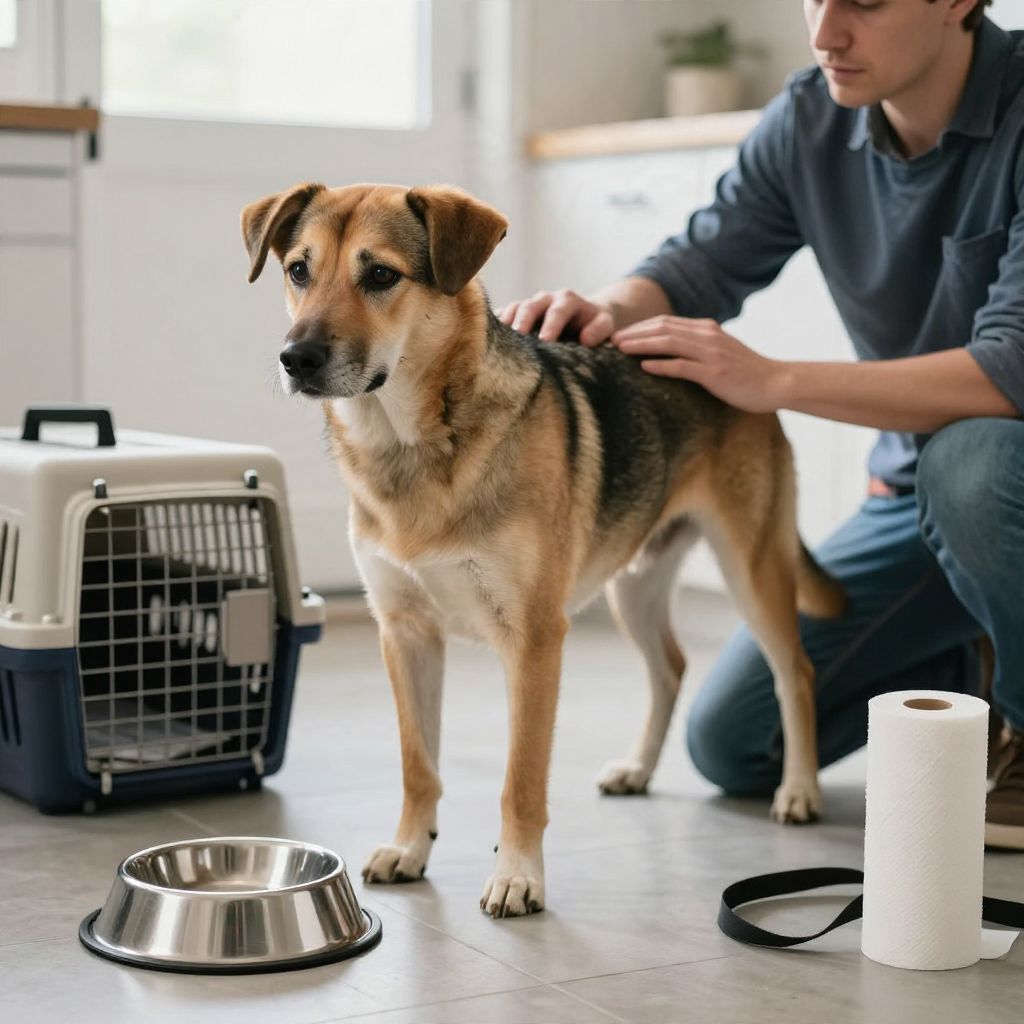
Why is my dog having diarrhea? It can happen for many reasons, from a sudden diet change or stress to parasites, infections, food intolerance, or something your dog ate that did not agree with them.
Most mild cases improve with simple support and close monitoring, but diarrhea can also be a sign of a more serious problem. The key is to watch for red flags, keep your dog hydrated, and contact your veterinarian when symptoms are severe, persistent, or unusual.
Why is my dog having diarrhea?
Diarrhea in dogs usually means the intestines are irritated or not absorbing water normally. Common causes include dietary indiscretion, abrupt food changes, parasites, infections, stress, medications, inflammatory disease, or toxin exposure. The right response depends on your dog’s age, health, and whether there are warning signs such as vomiting, blood, lethargy, or dehydration.
Common causes of diarrhea in dogs
Some causes are short-lived and mild, while others need veterinary treatment. A single loose stool after a rich treat is different from repeated watery diarrhea in a puppy or senior dog.
Diet-related causes
- Eating something unusual: table scraps, garbage, spoiled food, or too many treats can upset the gut.
- Sudden food changes: switching kibble, canned food, or treats too quickly can trigger loose stool.
- Food intolerance or sensitivity: some dogs react to specific ingredients, but this is not something you can confirm from one episode alone.
- Rich or fatty foods: these may cause stomach upset and, in some dogs, more serious illness.
Parasites and infections
Intestinal parasites such as roundworms, hookworms, whipworms, giardia, or coccidia can cause diarrhea, especially in puppies or dogs with exposure to contaminated water, soil, or feces. Viral and bacterial infections can also be involved, and these may spread to other dogs.
Stress and routine changes
Some dogs develop diarrhea when they are anxious, boarding, traveling, moving homes, or experiencing changes in schedule. This is more likely in dogs that are sensitive to routine, but any dog can be affected.
Medications and medical conditions
Antibiotics, pain medications, and other drugs may upset the digestive tract. Ongoing or recurring diarrhea can also be linked to pancreatitis, inflammatory bowel disease, liver or kidney disease, endocrine disorders, or other internal problems that need a veterinary exam.
What the stool can tell you
The appearance of the diarrhea can offer clues, but it does not replace a diagnosis. Use it to help you describe the problem to your veterinarian.
- Watery diarrhea: often means rapid intestinal irritation or infection and can dehydrate dogs quickly.
- Mucus in the stool: may suggest large-bowel irritation.
- Blood in the stool: can happen with irritation, parasites, infection, or more serious disease.
- Black, tarry stool: may indicate digested blood and needs urgent veterinary attention.
- Repeated small amounts of stool: can happen with colitis or straining.
What to do right away
If your dog has mild diarrhea but is otherwise bright, drinking, and acting normally, start with careful observation. If your dog seems unwell, is very young or old, or has repeated episodes, call your veterinarian sooner rather than later.
- Check for emergencies. Look for vomiting, weakness, abdominal pain, bloating, collapse, blood, black stool, or signs of dehydration.
- Remove access to trash, table scraps, and unsafe foods. Prevent more stomach upset while you monitor your dog.
- Offer fresh water. Encourage normal drinking and keep water available at all times.
- Track the stool. Note how often it happens, whether there is blood or mucus, and whether your dog is eating and acting normally.
- Call your veterinarian if it continues. Persistent diarrhea should be evaluated, especially if it lasts more than a day or two or keeps returning.
When diarrhea is an emergency
Some situations need urgent veterinary care, not home monitoring. Do not wait if your dog has any of the following:
- Repeated vomiting or inability to keep water down
- Blood in the stool or black, tarry stool
- Severe lethargy, weakness, collapse, or disorientation
- Swollen or painful abdomen
- Signs of dehydration such as dry gums, sunken eyes, or extreme thirst followed by little urination
- Diarrhea after possible toxin exposure, foreign body ingestion, or access to medications
- Diarrhea in a puppy, very small dog, senior dog, or dog with chronic disease that is worsening quickly
How veterinarians figure out the cause
Your veterinarian may ask about diet, treats, recent travel, exposure to other dogs, medications, and whether the diarrhea is acute or ongoing. Depending on the situation, they may recommend a fecal test, parasite screening, bloodwork, imaging, or other testing.
That workup helps separate a simple upset stomach from problems that need targeted treatment. If your dog has recurring diarrhea, bring a fresh stool sample if your clinic recommends it.
What not to do
It is easy to make diarrhea worse by trying too many things at once. Avoid these common mistakes:
- Giving human medications unless your veterinarian specifically tells you to
- Offering rich foods, bones, dairy, or lots of treats “to tempt the appetite”
- Switching foods repeatedly without a plan
- Ignoring dehydration or assuming every case is “just something they ate”
- Using punishment if accidents happen indoors; diarrhea is not a training issue
Age and individual factors that matter
Why is my dog having diarrhea may have a different answer depending on age, size, and health status. Puppies can become dehydrated quickly and are more vulnerable to parasites and infections. Senior dogs may have other medical conditions that make diarrhea more concerning.
Dogs with sensitive stomachs, chronic digestive disease, or a history of food intolerance may need a more structured diet plan. Breed alone does not determine the cause, but individual history can change how urgently you should act.
How to help prevent future episodes
You cannot prevent every stomach upset, but a few habits can reduce the risk of repeat diarrhea.
- Change foods gradually over several days, not all at once
- Keep trash, compost, and unsafe foods out of reach
- Use parasite prevention and routine fecal checks as your veterinarian recommends
- Stick to a consistent feeding schedule when possible
- Introduce new treats slowly and in small amounts
- Reduce stress during travel or boarding with familiar routines and gradual preparation
When mild diarrhea can be watched at home
Short-lived, mild diarrhea may be monitored if your dog is otherwise normal, drinking, and not vomiting. Even then, keep a close eye on the situation and contact your veterinarian if it does not improve promptly or if anything changes.
If you are trying to decide what is safe to do next, you may also find these related guides helpful: what you can give a dog for diarrhea and how to stop dog diarrhea.
In short, why is my dog having diarrhea can range from a minor diet upset to a sign of infection or illness. Watch for red flags, keep your dog hydrated, and contact your veterinarian if the diarrhea is severe, persistent, or paired with other symptoms.