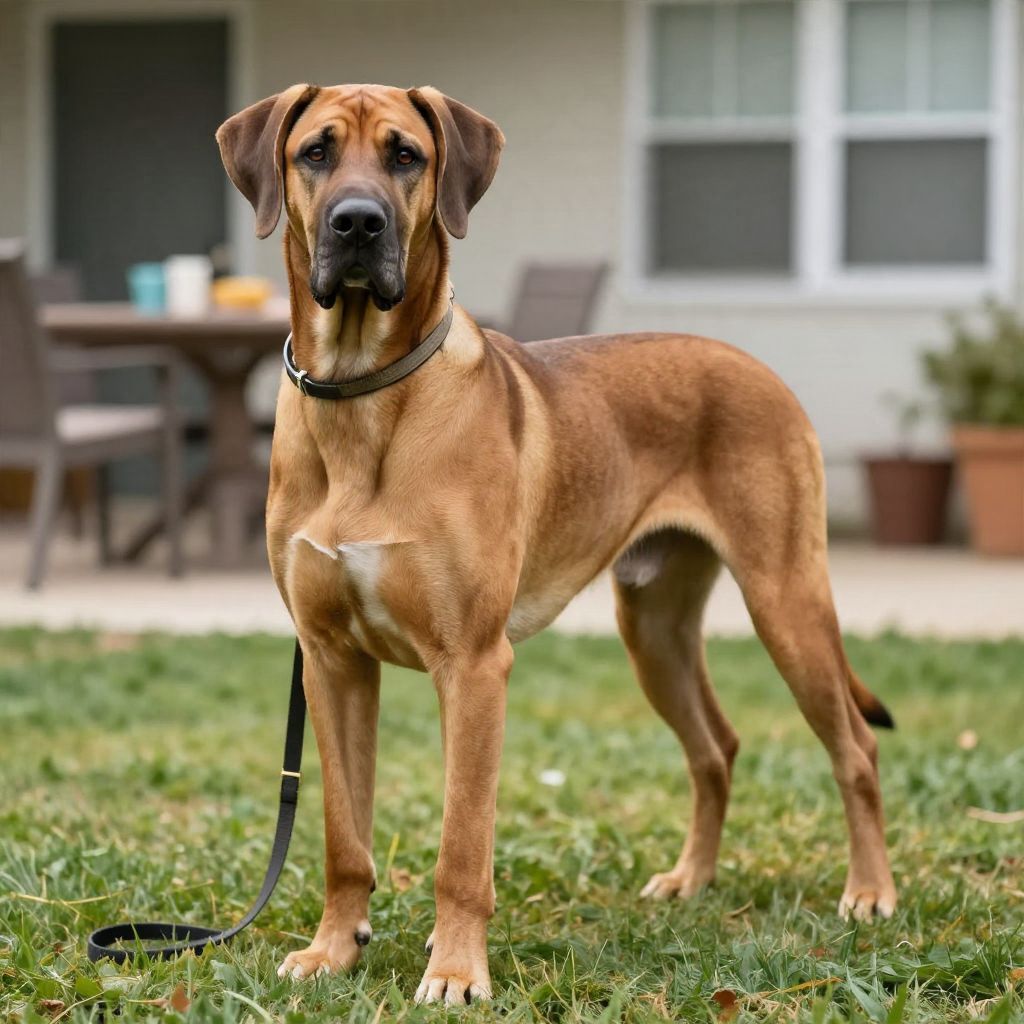
What dog is Scooby Doo? Scooby-Doo is generally portrayed as a Great Dane, though the character is stylized and not a perfect real-life breed model. If you’re curious because you love the character or you’re caring for a Great Dane, it helps to separate cartoon traits from actual dog needs.
Real Great Danes are large, gentle, and often affectionate, but every dog is an individual. Understanding the breed’s typical care needs can help you make better choices about training, exercise, nutrition, and health monitoring.
What dog is Scooby Doo?
Scooby-Doo is most commonly identified as a Great Dane. In the cartoon, he has a playful, exaggerated look and personality, but the character is meant to resemble that breed. Real Great Danes vary in temperament, yet they are usually large companion dogs that need thoughtful care, early training, and regular veterinary attention.
Why people think Scooby-Doo is a Great Dane
The answer comes from the character’s design: long legs, a large frame, floppy ears, and a big, soft-looking face. Those features match the general outline of a Great Dane more than many other breeds.
That said, Scooby-Doo is a cartoon, so the character is not a precise representation of any one dog. His exaggerated size, speech, and human-like behavior are part of the joke, not a breed standard.
What Great Danes are typically like in real life
Great Danes are often described as calm, affectionate, and people-oriented, but individual dogs can be shy, outgoing, goofy, cautious, or energetic. Breed tendencies can guide expectations, yet training history, socialization, health, and age matter just as much.
- Size: They are giant dogs, so space, handling, and safety matter.
- Temperament: Many are friendly and gentle, but not all are naturally confident.
- Training needs: Early manners training is important because a large dog can accidentally knock people over.
- Exercise: They need regular activity, but not extreme endurance work.
If you live with a Great Dane, what care matters most?
Large-breed care is about preventing strain, supporting healthy growth, and teaching polite behavior early. Because a Great Dane can be physically powerful, good management is just as important as affection.
Training and socialization
Start training early with reward-based methods. Teach basic cues, loose-leash walking, polite greetings, and calm settling before size becomes a problem.
- Reward behaviors you want to see again.
- Practice short sessions often rather than long, tiring lessons.
- Expose your dog to different people, dogs, sounds, and places in a safe, positive way.
- Use management tools like gates, leashes, and crates when needed to prevent rehearsal of unwanted behavior.
Because Great Danes are large, jumping, pulling, and rough play can be harder to manage later. Early consistency helps a lot.
Exercise and enrichment
Most dogs need daily physical and mental activity, and Great Danes are no exception. The goal is steady, moderate exercise rather than repetitive high-impact activity.
- Walks, sniffing time, and gentle play are usually good options.
- Food puzzles and training games can provide mental stimulation.
- Avoid overexertion, especially in puppies and dogs with joint concerns.
If your dog seems stiff, reluctant to move, or unusually tired, talk with your veterinarian before increasing exercise.
Nutrition and body condition
Large and giant breeds benefit from balanced nutrition and appropriate portion control. Overfeeding can contribute to excess weight, which may worsen joint stress and overall health.
- Choose a complete and balanced dog food appropriate for your dog’s life stage.
- Monitor body condition rather than relying only on the scale.
- Ask your veterinarian if your dog’s growth, weight, or appetite seems unusual.
For puppies, growth should be steady and controlled. Fast growth is not the same as healthy growth.
Grooming and home care
Great Danes usually have short coats, so grooming is often straightforward, but regular care still matters. Brushing can reduce loose hair and gives you a chance to check skin, ears, paws, and body condition.
- Brush as needed to remove loose hair.
- Trim nails regularly so posture and walking stay comfortable.
- Check ears for odor, redness, or debris.
- Keep bedding supportive, especially for older dogs.
Health concerns to watch for in a large dog
Any dog can develop health problems, but giant breeds may be more vulnerable to certain issues because of their size. That does not mean your dog will develop them, only that you should watch for changes and keep up with preventive care.
When to call the veterinarian
Contact your veterinarian if you notice limping, persistent coughing, vomiting, diarrhea, reduced appetite, weight loss, bloating, or changes in energy or behavior. Early evaluation is better than waiting for a problem to become severe.
Emergency warning signs
Seek urgent veterinary care right away if your dog has a swollen or hard abdomen, repeated unproductive retching, collapse, trouble breathing, pale gums, seizures, or sudden severe weakness. These can be emergencies.
If your dog seems painful, cannot stand normally, or rapidly worsens, do not wait for the next day.
Common mistakes people make with a “Scooby-Doo” type dog
Because the cartoon character seems goofy and easygoing, people sometimes assume a real Great Dane needs less structure than smaller dogs. In reality, large dogs often need even more careful management.
- Skipping early training because the puppy is “cute” and small.
- Allowing jumping or pulling that becomes unsafe later.
- Overexercising a growing puppy.
- Ignoring subtle signs of discomfort or illness.
- Assuming all Great Danes have the same personality.
Good care is about the individual dog in front of you, not the cartoon version in your head.
How to tell whether your dog is actually a Great Dane mix
If you have a dog that resembles Scooby-Doo, a veterinarian or canine genetic test may help you learn more about breed background. Visual guesses can be wrong, especially with mixed-breed dogs.
Breed mix information can be useful for planning care, but it still does not predict everything. Health, temperament, and training needs should be based on your dog’s actual behavior and medical history.
Helpful questions to ask your vet about a large-breed dog
If you care for a Great Dane or Great Dane mix, a few targeted questions can make routine visits more useful:
- Is my dog’s body condition appropriate?
- Are there signs of joint pain or mobility issues?
- What diet best fits my dog’s age and size?
- Which exercise level is safe for my dog?
- What symptoms should prompt an urgent visit?
These questions help you tailor care to your dog instead of relying on general breed advice alone.
Conclusion
Scooby-Doo is usually portrayed as a Great Dane, but the character is a cartoon version of the breed. If you have a real Great Dane, focus on early training, healthy weight, moderate exercise, and regular veterinary care. If you notice pain, bloating, breathing trouble, or sudden weakness, seek veterinary help promptly.
If you want to keep learning, you may also find it helpful to read more about whether Scooby-Doo is a Great Dane and compare him with other cartoon dogs like Goofy.