If you’re wondering what kind of dog Goofy is, the short answer is that Goofy is a fictional Disney character, not a real-world dog breed. He’s usually portrayed as an anthropomorphic dog with a very distinctive, cartoon-style look rather than a precise breed match.
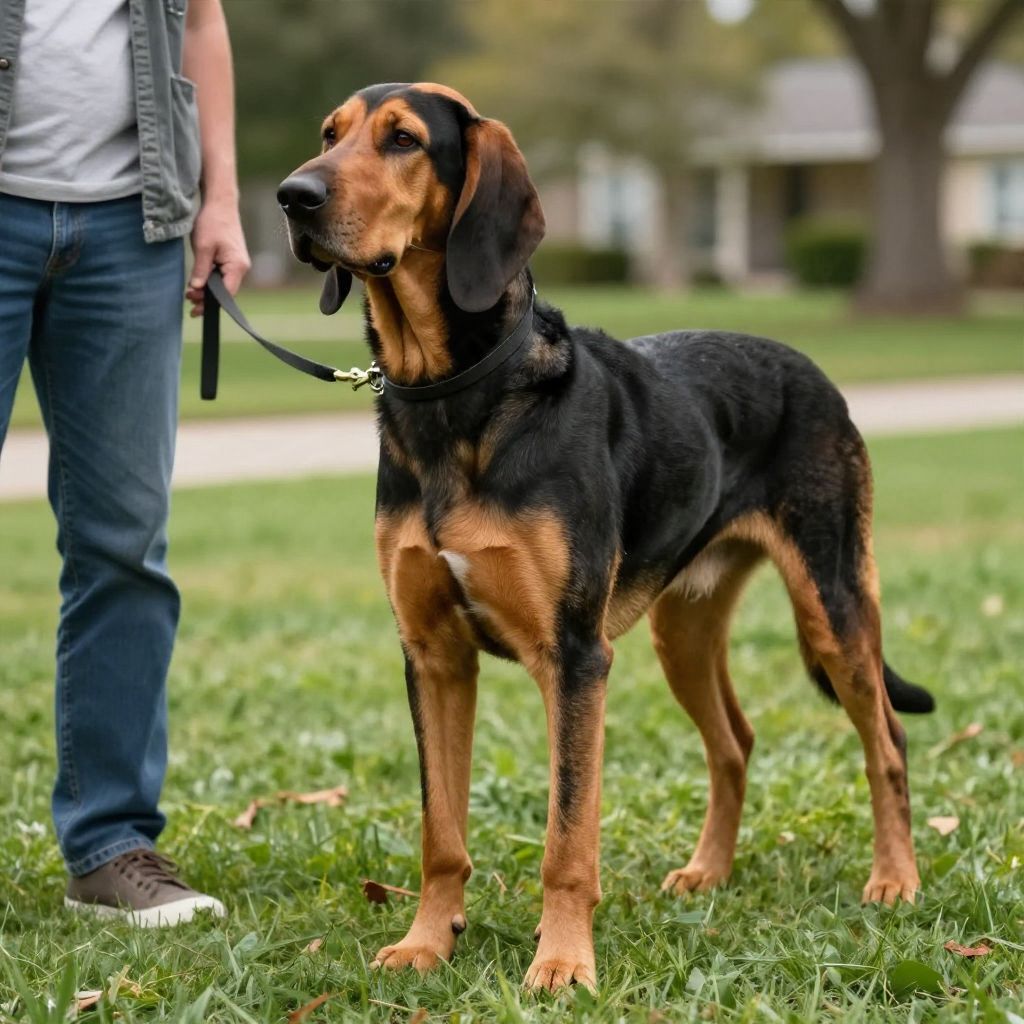
That said, many people ask because Goofy’s floppy ears, long muzzle, and lanky build resemble traits seen in some hound-type dogs. If you’re trying to identify a real dog that looks similar, it helps to focus on body shape, ear set, coat type, and behavior rather than assuming one exact breed.
What kind of dog is Goofy?
Goofy is best described as a fictional, anthropomorphic dog character rather than a specific breed. Disney has never confirmed him as one exact breed, and his appearance blends traits often associated with hounds, mixed-breed dogs, and cartoon exaggeration. If you want a real-life comparison, he most closely resembles a tall, long-eared hound-type dog.
Why Goofy does not match one exact breed
Cartoon characters are designed for expression, not breed accuracy. Goofy’s face, ears, posture, and proportions are intentionally exaggerated so he can look expressive, humorous, and recognizable.
Because of that, you should not use Goofy as a reliable breed model. Real dogs vary a lot, even within the same breed, and mixed-breed dogs can share some of the same visual traits without being closely related.
Traits people notice in Goofy
- Long, droopy ears
- Elongated muzzle
- Tall, lean body
- Large, expressive eyes
- Loose, floppy movement
Those features can remind people of hounds, coonhounds, bloodhounds, or other long-eared dogs, but the resemblance is only visual. Temperament, coat, and size in real dogs depend on genetics, upbringing, and individual personality.
If you’re trying to identify a real dog that looks like Goofy
If your goal is breed identification, start with the dog’s overall structure instead of one feature. Ears alone can be misleading, because many breeds and mixes have floppy ears.
Look at these clues
- Body size and proportions: Is the dog short, medium, or tall? Is the body compact or long-legged?
- Head shape: Is the muzzle narrow, broad, or square?
- Ear type: Are the ears long and low-set, or shorter and higher-set?
- Coat: Is it smooth, wiry, curly, or feathered?
- Tail and movement: Does the dog carry the tail high, low, or curled?
- Temperament: Is the dog energetic, reserved, vocal, or easygoing?
Even with these clues, a visual guess is only a guess. If you need a more accurate answer, a veterinarian, rescue organization, or canine DNA test can help narrow it down.
What real breeds are often compared to Goofy?
People often compare Goofy to hound-type dogs because of his long ears and muzzle. That does not mean he is one of those breeds, only that his cartoon design borrows familiar dog features.
Common visual comparisons
- Hounds: Often have long ears, a strong nose, and a lean build.
- Coonhounds: Frequently have a similar long-eared, athletic look.
- Bloodhounds: Known for loose skin and very long ears, though Goofy is much more stylized.
- Mixed-breed dogs: Many mixes can share some of these traits without fitting one breed standard.
These comparisons are only helpful as rough visual references. They do not tell you how a dog will behave, how much exercise it needs, or what health concerns it may have.
What Goofy’s character can and cannot tell you about dog behavior
Goofy’s personality is fictional and exaggerated for comedy. Real dogs do not behave according to cartoon stereotypes, and breed alone does not determine whether a dog is goofy, calm, stubborn, or affectionate.
If you live with a real dog that seems “goofy,” that may simply reflect age, play style, confidence, excitement, or learned behavior. Puppies and adolescent dogs often act especially clumsy, while some adult dogs stay playful and silly throughout life.
Normal “goofy” dog behaviors
- Zoomies or bursts of running
- Play bows and exaggerated movement
- Rolling, flopping, or dramatic sitting positions
- Carrying toys around proudly
- Clumsy excitement during greetings
These behaviors are usually normal, especially in healthy dogs with enough exercise and mental enrichment. If the behavior seems sudden, extreme, or paired with pain, anxiety, or disorientation, talk to your veterinarian.
How to care for a real dog with hound-like features
If your dog resembles Goofy in a loose, long-eared, hound-like way, a few care priorities may matter more than others. The exact needs depend on breed mix, age, coat, and health, but some general guidance is useful.
Grooming and ear care
Long, floppy ears can reduce airflow, which may make some dogs more prone to moisture buildup or ear irritation. You do not need to overclean, but you should keep ears dry and watch for odor, redness, discharge, or frequent scratching.
- Check ears regularly for debris or irritation.
- Dry ears after swimming or baths if your veterinarian recommends it.
- Never insert cotton swabs deep into the ear canal.
Coat care varies a lot. Short-coated dogs may need only occasional brushing, while longer-coated dogs may need more frequent grooming to prevent tangles and skin issues.
Exercise and enrichment
Many hound-type dogs are active and benefit from daily exercise plus scent-based enrichment. That does not mean every dog with floppy ears needs the same routine, but many enjoy opportunities to sniff, track, and explore.
- Use walks that allow sniffing, not just fast pacing.
- Try food puzzles or scatter feeding for mental stimulation.
- Rotate toys to keep interest high.
- Use secure fencing or a leash, especially if the dog follows scents easily.
For some dogs, scent work can be more satisfying than intense physical exercise alone. A mentally engaged dog is often calmer and less likely to invent its own mischief.
Training tips if your dog acts “Goofy”
A silly, distracted, or excitable dog usually learns best with reward-based training. Keep sessions short, clear, and consistent, especially if your dog gets overstimulated quickly.
Helpful training habits
- Reward the behavior you want right away.
- Practice in quiet places before adding distractions.
- Use simple cues and repeat them consistently.
- Break skills into small steps.
- End sessions before your dog becomes bored or frustrated.
Avoid punishment, intimidation, or “dominance” tactics. Those methods can damage trust and make behavior problems worse. If your dog is hard to manage, a certified trainer or veterinary behaviorist can help you build a humane plan.
When “goofy” behavior may be a health concern
Most playful clumsiness is harmless, but sudden changes deserve attention. A dog that is unusually wobbly, confused, weak, or less responsive may need veterinary care.
Red flags that need prompt veterinary attention
- Sudden stumbling or loss of balance
- Head tilt, circling, or repeated falling
- Weakness, collapse, or trouble standing
- Seizures
- Severe lethargy or disorientation
- Vomiting with neurologic signs
- Eye changes, pain, or sudden vision problems
Seek urgent veterinary care immediately if your dog collapses, has a seizure, cannot walk normally, has trouble breathing, or seems suddenly neurologically abnormal. Do not wait for symptoms to “pass” if they are severe or rapidly worsening.
How to tell whether a dog is a breed mix or just “Goofy-looking”
Many dogs have a charming, cartoonish appearance without being closely tied to a single breed. A lanky body, oversized ears, or expressive face can show up in many mixes.
If you are adopting or already own a dog with a Goofy-like look, remember that appearance does not predict everything. Focus on what the dog needs today: proper nutrition, training, exercise, grooming, and preventive veterinary care.
Good questions to ask before adopting
- How old is the dog?
- What is the dog’s activity level?
- Does the dog have ear, skin, or joint issues?
- How does the dog do with children, other pets, and strangers?
- What training has already been done?
These details matter far more than trying to match a cartoon character to a breed standard.
Common mistakes people make when asking what kind of dog Goofy is
One common mistake is assuming a cartoon character must represent a real breed exactly. Another is assuming that one visible trait, such as floppy ears, identifies a breed on its own.
- Using cartoons as breed proof
- Overlooking mixed-breed possibilities
- Assuming temperament from appearance alone
- Ignoring age, training, and health history
The safest approach is to separate fun pop-culture curiosity from real dog care. Enjoy the character, but evaluate real dogs based on their actual needs and behavior.
Bottom line: what kind of dog is Goofy?
Goofy is a fictional Disney dog character, not a confirmed breed. He is usually seen as a stylized, anthropomorphic dog with hound-like features, but there is no official real-world breed answer.
If you’re comparing him to a real dog, focus on the individual dog’s size, coat, ears, temperament, and health needs. For more dog-character curiosity, you may also enjoy reading about what kind of dog Lady is or what kind of dog Bolt is.