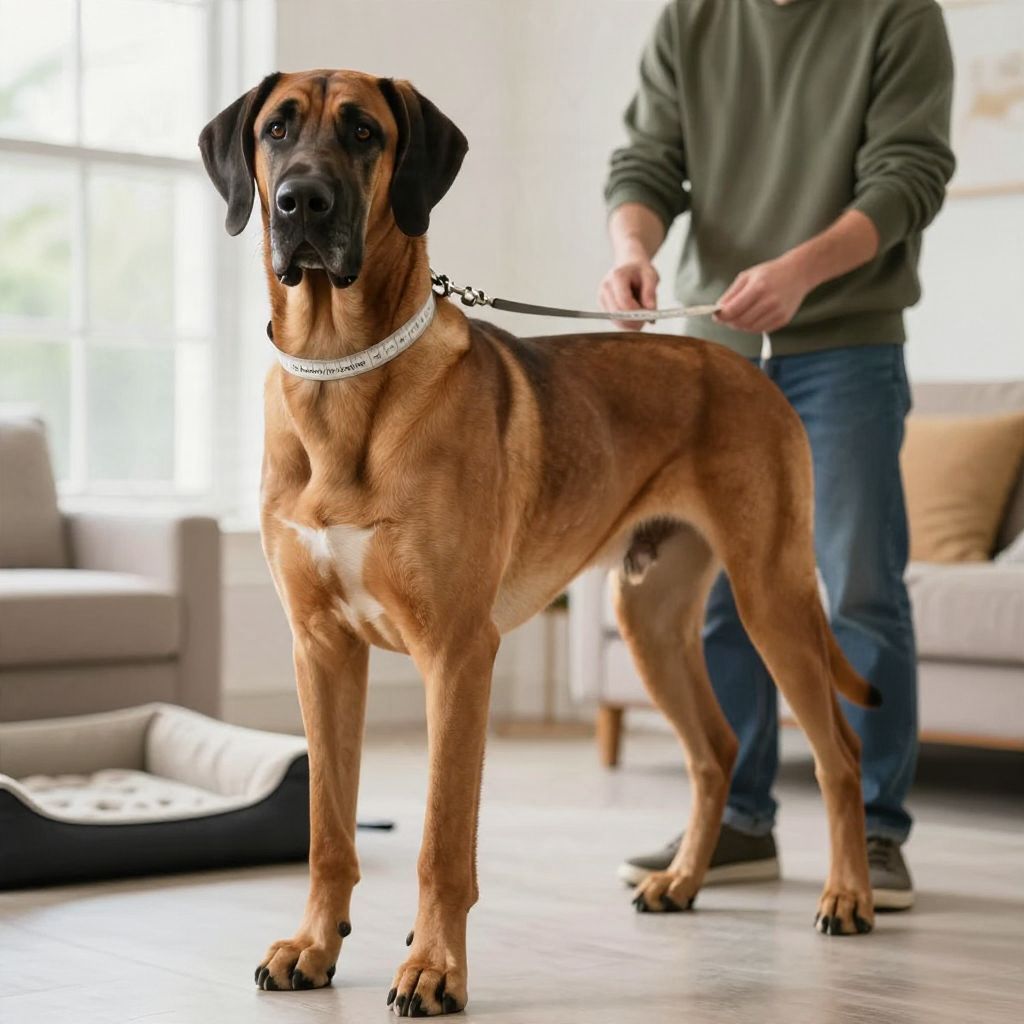
Is Scooby Doo a Great Dane? In most portrayals, yes—Scooby-Doo is generally presented as a Great Dane, though he is a cartoon character rather than a real, breed-standard dog. That means his appearance and behavior are exaggerated for entertainment, not a perfect match for an actual Great Dane.
If you’re wondering because you own a Great Dane or are considering one, it helps to separate the cartoon from the real breed. Great Danes are large, sensitive, and affectionate dogs that need thoughtful training, space, and health care.
Is Scooby Doo A Great Dane?
Yes, Scooby-Doo is usually described as a Great Dane. However, he is a fictional, heavily stylized version of the breed, so his look, voice, and goofy personality are designed for comedy rather than realism. Real Great Danes are typically gentle giant dogs with individual personalities and needs.
Why Scooby-Doo Looks Like a Great Dane
Scooby’s tall frame, floppy ears, long muzzle, and overall size are all traits that point toward a Great Dane-inspired design. The character was created to resemble a big, lanky dog, but the cartoon exaggerates his proportions so he appears more expressive and humorous.
That matters because cartoons can shape expectations. A real Great Dane may be playful and silly, but you should not expect every dog of the breed to act timid, clumsy, or food-obsessed the way Scooby often does.
What Real Great Danes Are Usually Like
Great Danes are often affectionate, people-oriented dogs that do well with calm, consistent handling. Many are friendly and social, but temperament varies by genetics, early socialization, training, and life experience.
Typical Great Dane care focuses on managing their large size and supporting good manners. Even though they are not usually high-energy in the same way as some working breeds, they still need daily exercise, mental enrichment, and structured training.
Common breed tendencies, not guarantees
- Often affectionate and bonded to family
- May be sensitive to harsh handling
- May need early training to avoid jumping or leaning
- Can be calm indoors when their needs are met
- May vary widely in confidence, sociability, and play style
How Real Great Dane Care Differs From the Cartoon
Scooby-Doo can eat huge snacks, squeeze into tiny spaces, and bounce back from trouble instantly. Real Great Danes need more careful management because their size affects joints, digestion, and overall safety.
If you have a Great Dane, focus on practical care rather than cartoon expectations. That includes controlled exercise, safe feeding habits, and regular veterinary checkups.
Feeding considerations for a giant breed
- Feed a complete, balanced diet appropriate for large or giant breeds if your veterinarian recommends it.
- Use measured meals rather than free-feeding when possible.
- Avoid rapid gulping; slow-feeder bowls may help some dogs.
- Ask your vet about meal timing, especially if your dog is at risk for bloat.
Exercise and movement
- Provide regular walks and low-impact activity.
- Avoid forcing intense exercise in very young puppies while growth plates are still developing.
- Watch for fatigue, stiffness, or reluctance to move.
- Use ramps or steps when helpful to reduce strain on joints.
Training Tips If You Have a Great Dane
Because Great Danes are large, training matters even more than it does for many smaller dogs. A polite 120-pound dog is much easier and safer to live with than an untrained one.
Reward-based training works well for most dogs, including Great Danes. Keep sessions short, consistent, and positive, especially if your dog is young or easily distracted.
Useful skills to teach early
- Reliable name recognition and recall
- Loose-leash walking
- “Sit,” “down,” and “stay”
- Calm greetings without jumping
- Settling on a mat or bed
- Comfort with handling, grooming, and vet visits
If your Great Dane is fearful, reactive, or difficult to manage, a certified trainer or veterinary behaviorist can help you build a safer plan. Avoid punishment-based methods, which can increase fear and damage trust.
Health Concerns That Matter More in Great Danes
Large and giant breeds can face certain health issues more often than smaller dogs, so preventative care is important. Your veterinarian can guide you on screening, nutrition, and activity based on your dog’s age and history.
Common concerns may include joint strain, heart disease, and digestive emergencies. Not every Great Dane will develop these problems, but early awareness helps you respond quickly if something changes.
Red flags that need urgent veterinary care
- Sudden abdominal swelling or a hard, distended belly
- Repeated retching without vomiting
- Severe lethargy, collapse, or weakness
- Labored breathing
- Signs of severe pain
- Inability to stand or walk normally
These signs can indicate a medical emergency. If you notice them, contact an emergency veterinarian immediately rather than waiting to see if your dog improves.
Grooming and Shedding: What to Expect
Great Danes have short coats, so grooming is usually straightforward, but they still shed. Regular brushing can help remove loose hair and keep the coat looking healthy.
Because Scooby-Doo is often shown as a very shaggy, expressive cartoon dog, you might imagine a more dramatic coat than a real Great Dane usually has. In reality, grooming needs are moderate, but routine care still matters.
- Brush weekly, or more often during heavier shedding periods
- Check ears, nails, teeth, and skin regularly
- Bathe only as needed with a dog-safe shampoo
- Trim nails before they become too long and affect movement
Socialization and Daily Life With a Great Dane
Early socialization helps Great Danes become more comfortable with people, dogs, sounds, and new environments. This does not mean forcing interactions; it means pairing new experiences with safety, distance, and positive reinforcement.
Because of their size, even a friendly Great Dane can accidentally knock over children or older adults. Teach calm manners around people and supervise interactions closely.
Helpful household management
- Use sturdy collars, harnesses, and leashes designed for large dogs
- Keep counters and tables clear of tempting food
- Provide a supportive bed or mat for rest
- Block access to stairs or slippery floors if needed
Common Mistakes People Make When They Expect a “Scooby” Dog
One common mistake is assuming all Great Danes are goofy, easygoing, or naturally well-behaved. Another is underestimating the care a giant breed needs because the dog seems sweet and gentle.
To avoid problems, plan for the realities of size, strength, and health. A Great Dane needs structure, training, and veterinary support just like any other dog, and sometimes more because of the physical demands of being so large.
- Skipping training because the dog seems friendly
- Allowing rough play that encourages jumping or pushing
- Overfeeding or feeding too quickly
- Ignoring early signs of stiffness or digestive distress
- Expecting cartoon behavior instead of individual temperament
When to Ask a Veterinarian or Trainer for Help
Ask your veterinarian if you have questions about your Great Dane’s growth, diet, exercise, limping, appetite, or behavior changes. Giant breeds benefit from regular preventive care and early attention to subtle symptoms.
Contact a certified trainer or veterinary behaviorist if your dog is fearful, reactive, destructive, or difficult to handle safely. Early support is often easier and more effective than waiting until the problem becomes severe.
Bottom Line: Is Scooby Doo A Great Dane?
Yes, Scooby-Doo is generally portrayed as a Great Dane, but he is a fictional, exaggerated version of the breed. Real Great Danes are large, affectionate dogs that need thoughtful training, safe exercise, and consistent health care. If you live with one, focus on practical giant-breed care rather than cartoon expectations.
If you want to learn more about the breed, you may also find these guides helpful: do Great Danes shed and what is the biggest dog.