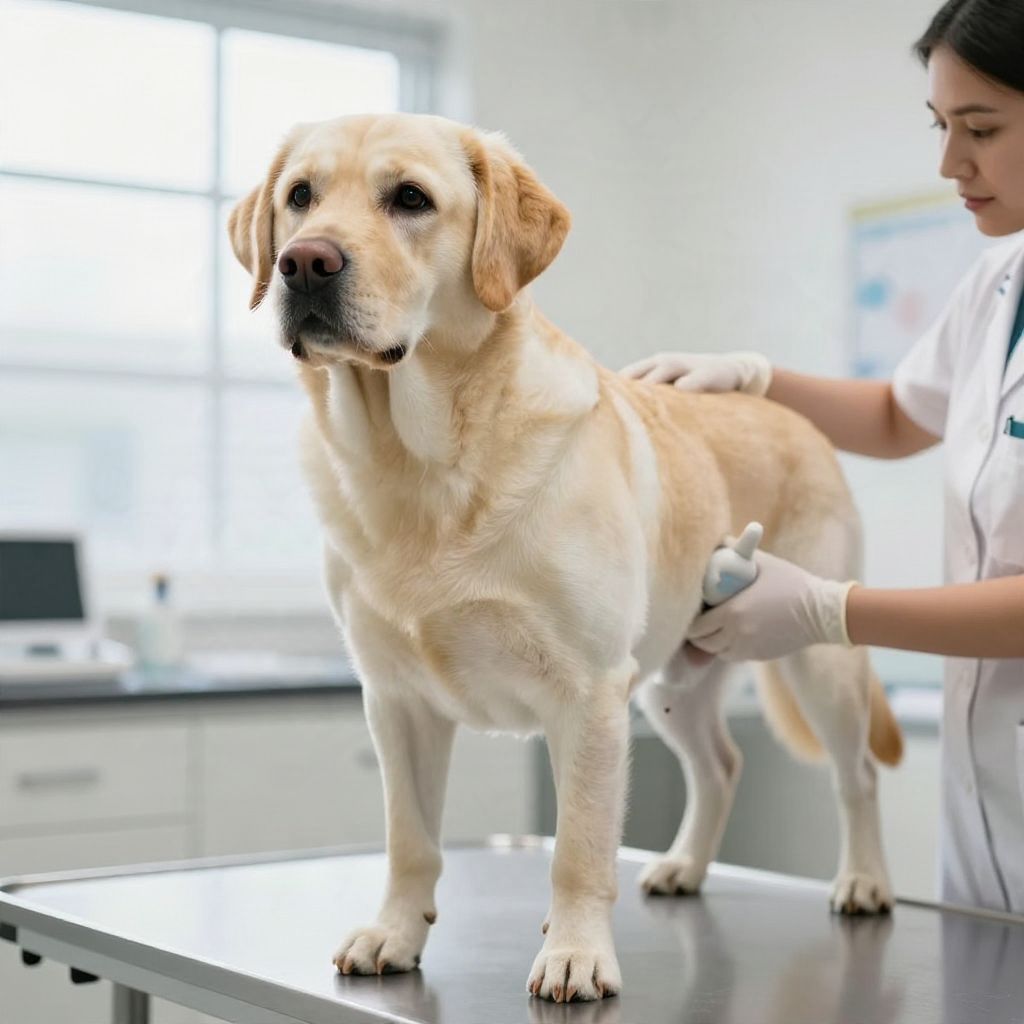
If you’re asking, “How do you know if your dog is pregnant,” the earliest signs can be subtle and easy to miss. Some dogs show changes in appetite, energy, nipples, or behavior, but these signs can also happen for other reasons.
The most reliable way to confirm pregnancy is a veterinary exam. A vet can use safe, timely testing and help you plan for proper nutrition, exercise, and whelping care if your dog is expecting puppies.
How do you know if your dog is pregnant?
Early pregnancy signs in dogs may include mild appetite changes, tiredness, nipple enlargement, and a slightly swollen abdomen, but these signs are not proof. False pregnancy, illness, and normal heat-cycle changes can look similar. A veterinarian can confirm pregnancy with an exam, ultrasound, or other appropriate testing.
Early signs that may suggest pregnancy
In the first few weeks, many dogs do not look obviously pregnant. If your dog may have mated, watch for changes that are noticeable but not specific.
- Appetite changes: Some dogs eat less at first, then gradually eat more later.
- Lower energy: She may seem more tired, sleep more, or want extra rest.
- Nipple changes: The nipples may become larger or more noticeable, and the mammary area may look fuller.
- Behavior changes: She may become more affectionate, clingy, quiet, or occasionally irritable.
- Weight gain or abdominal rounding: This often appears later and can be hard to notice in small or fluffy dogs.
These changes can vary depending on your dog’s size, coat, age, and health. A lean dog may show a belly change earlier than a dog with a heavy coat, while some dogs show almost no visible change until later in pregnancy.
Signs that are not enough to confirm pregnancy
Many common signs can be misleading. A dog that seems “pregnant” may actually be experiencing a false pregnancy, a heat-cycle change, digestive upset, or another medical issue.
Common look-alikes
- False pregnancy: This can cause nesting, swollen nipples, milk production, and mothering behavior.
- Heat-cycle changes: Hormonal shifts after a heat can change appetite and behavior.
- Weight gain from diet or inactivity: This can mimic a growing abdomen.
- Illness: Bloating, uterine disease, or gastrointestinal problems can also cause abdominal changes.
If your dog has symptoms that seem unusual, do not assume pregnancy. Some conditions need prompt veterinary attention, especially if she seems painful, weak, or unwell.
How veterinarians confirm pregnancy
If you want a reliable answer, your veterinarian is the best source. The right test depends on how far along the pregnancy may be.
- Physical exam: A vet may feel changes in the abdomen, but this is not always definitive.
- Ultrasound: This can often confirm pregnancy earlier than other methods and may help assess fetal viability.
- Hormone testing: Some blood tests can support a diagnosis, depending on timing.
- X-rays: These are usually used later in pregnancy to count puppies and help with delivery planning.
Do not try to confirm pregnancy by pressing on your dog’s belly at home. That can be uncomfortable and may not give accurate information.
What to do if you think your dog may be pregnant
Once pregnancy is possible, your goal is to keep your dog safe and reduce stress while arranging veterinary guidance. Early care makes it easier to support both the mother and the puppies.
- Schedule a veterinary visit. Confirm pregnancy and ask about timing, nutrition, and expected delivery date.
- Track mating dates if known. This helps your vet estimate the pregnancy stage.
- Keep exercise moderate. Normal walks are usually fine, but avoid rough play, jumping, or strenuous activity if your vet advises caution.
- Feed a balanced diet. Ask your vet when to transition to a pregnancy or puppy-appropriate food, if needed.
- Monitor behavior and appetite. Note vomiting, lethargy, discharge, or sudden changes.
- Prepare a quiet space. A calm, clean area can help later if she needs a whelping setup.
Nutrition during a possible pregnancy
Nutrition needs can change during pregnancy, but the right plan depends on your dog’s body condition, breed size, and stage of pregnancy. Some dogs need only modest adjustments early on, while others may need more support later.
Helpful feeding tips
- Feed a complete and balanced dog food appropriate for her life stage unless your veterinarian recommends a change.
- Offer smaller, more frequent meals if her appetite is reduced or her abdomen becomes crowded later in pregnancy.
- Keep fresh water available at all times.
- Avoid unproven supplements unless your veterinarian recommends them.
Do not switch foods abruptly unless your vet tells you to. Sudden diet changes can upset the stomach, and digestive upset can be harder to manage during pregnancy.
Exercise, rest, and daily care
Most pregnant dogs still benefit from gentle, regular activity. The goal is to maintain comfort and fitness without overdoing it.
- Good options: Leashed walks, calm sniffing time, and light play that does not involve jumping or collisions.
- Use caution with: Roughhousing with other dogs, long hikes, heat exposure, and intense fetch sessions.
- Prioritize rest: Give her a quiet place to nap away from household stress and overly excited pets or children.
Every dog is different. A young, healthy, medium-sized dog may tolerate activity better than an older dog or one with heart, joint, or breathing concerns. Your veterinarian can help you tailor exercise to her condition.
When pregnancy is more likely to be visible
Visible changes often become easier to notice later in pregnancy, but the timing varies. Smaller dogs may show a rounded belly earlier, while larger or fluffier dogs may hide changes longer.
As pregnancy progresses, you may notice:
- a firmer, larger abdomen
- more obvious nipple enlargement
- nesting behavior
- increased appetite at some stages, followed by reduced appetite near delivery
- restlessness as labor approaches
Because these changes can overlap with illness or false pregnancy, timing alone should not be used as proof.
Warning signs that need a veterinarian right away
Some symptoms are not normal and should be treated as urgent. If your dog may be pregnant and shows any of the following, contact a veterinarian promptly or seek emergency care.
- Vaginal bleeding that is heavy, persistent, or accompanied by weakness
- Foul-smelling discharge or discharge with fever, pain, or lethargy
- Repeated vomiting or inability to keep water down
- Marked abdominal pain, bloating, or a hard, tense belly
- Collapse, severe weakness, or trouble breathing
- Refusing food for a prolonged period or acting very unwell
- Signs of labor trouble, such as strong contractions without a puppy, long pauses with distress, or obvious exhaustion
These signs can indicate complications that need immediate veterinary assessment, whether or not your dog is pregnant.
Common mistakes people make
It is easy to misread pregnancy signs, especially if your dog recently went through a heat cycle. Avoid these common errors so you can get accurate answers sooner.
- Assuming every swollen belly is pregnancy. Bloat, weight gain, and illness can look similar.
- Waiting too long to call the vet. Early confirmation helps with safer planning.
- Pressing on the abdomen. This is not a reliable home test.
- Changing food too quickly. Sudden diet changes can cause stomach upset.
- Ignoring false pregnancy signs. These can still be uncomfortable and may need veterinary advice.
How heat cycles relate to pregnancy risk
If your dog has recently been in heat, pregnancy is possible after mating during that fertile period. Heat cycles can also create behavior changes that confuse owners, including restlessness, clinginess, or changes in appetite.
If you want to better understand timing and risk, it can help to review how heat cycles work and how long they last. For related reading, see how often female dogs go into heat.
What to expect if your dog is pregnant
If pregnancy is confirmed, your veterinarian can help you plan for the rest of gestation and delivery. That may include advice on nutrition, exercise, a safe nesting area, and what signs to watch for as labor approaches.
Some dogs need extra support because of age, small body size, larger litters, or existing health conditions. Others may have uncomplicated pregnancies but still benefit from monitoring and a clear delivery plan.
Conclusion
If you’re wondering how do you know if your dog is pregnant, look for early changes like appetite shifts, nipple enlargement, tiredness, and behavior changes, but do not rely on signs alone. The safest next step is a veterinary exam for confirmation and guidance, especially if you notice any red-flag symptoms.
If you are unsure whether your dog’s behavior is pregnancy-related or heat-related, it may also help to read about why female dogs hump and discuss any concerns with your veterinarian.