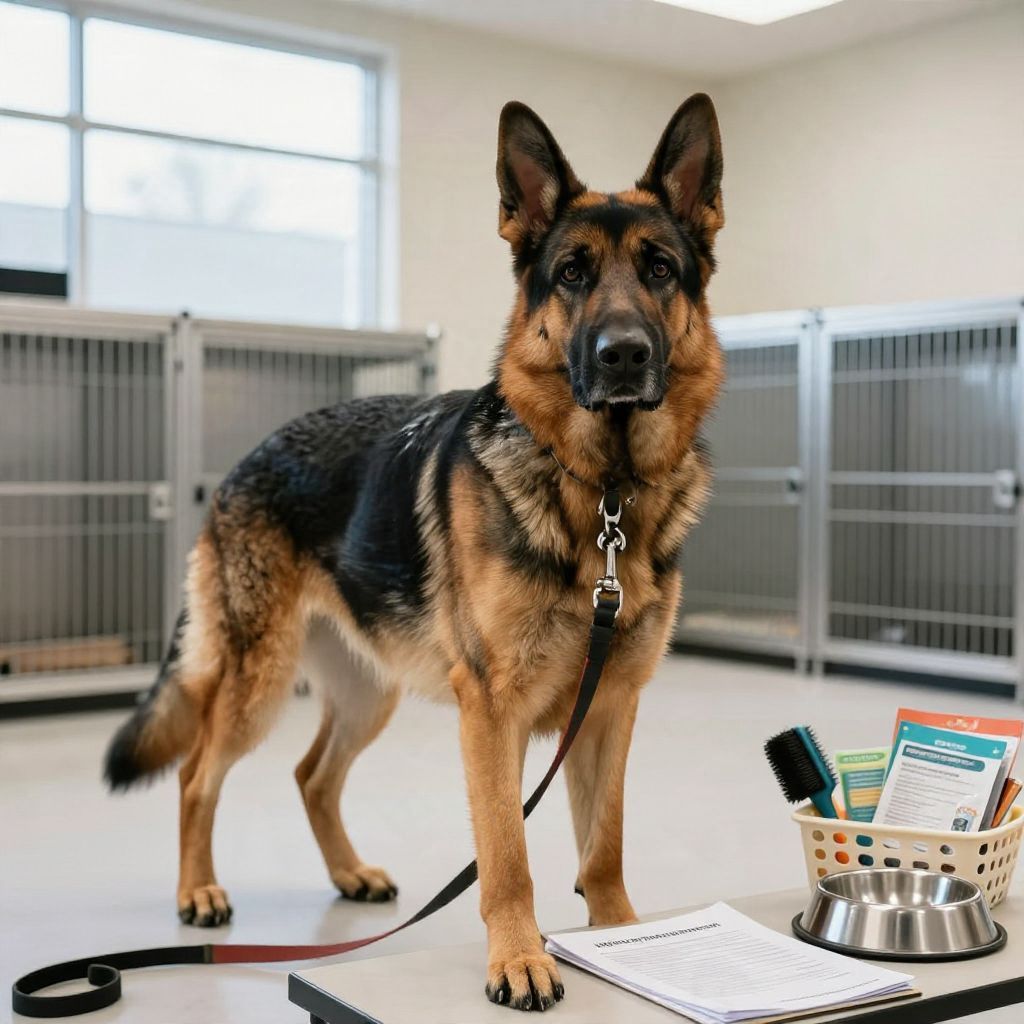
If you’re asking how much a German Shepherd costs, the answer depends on where you get the dog, the breeder’s practices, the puppy’s age, and the care included before adoption. Purchase price is only the start; food, training, vet care, and supplies can add up quickly.
Planning ahead helps you choose a healthy, well-socialized dog and avoid surprise expenses. A German Shepherd can be an excellent companion, but the total cost of ownership matters just as much as the upfront price.
How Much Does A German Shepherd Cost?
A German Shepherd usually costs a few hundred dollars from a shelter or rescue and often several hundred to a few thousand dollars from a responsible breeder. The exact price depends on health testing, pedigree, location, age, and what care the dog has already received, such as vaccines, deworming, and microchipping.
Typical Price Ranges For A German Shepherd
There is no single fixed price. It helps to think in categories so you can compare options fairly.
- Shelter or rescue: Often the lowest upfront cost, usually covering adoption processing and basic veterinary care.
- Family rehoming or private sale: Can vary widely, and the lower price does not always mean lower long-term cost.
- Responsible breeder: Usually the highest upfront price because of health screening, socialization, and early care.
- Show, sport, or working-line dogs: May cost more if breeding, training, or proven performance is part of the price.
Price alone does not tell you whether a dog is a good fit. A lower-cost puppy can become expensive if it has untreated health issues or poor early socialization.
What Affects The Price Of A German Shepherd?
Breeder quality and health testing
Responsible breeders often charge more because they invest in health screening, proper housing, prenatal care, and early puppy care. That cost can help reduce the chance of inherited problems, though it cannot guarantee a perfectly healthy dog.
Age
Puppies usually cost more than adults. Adult dogs may be less expensive, especially if they are being rehomed, and they may already have some training or house manners.
Location
Prices can vary by region, local demand, and whether transportation is included. In some areas, you may also pay more for veterinary services and supplies after you bring the dog home.
Training and socialization
A puppy that has started crate training, leash work, handling practice, or early socialization may cost more than one with no preparation. That extra cost can be worthwhile if it saves time and stress later.
Color, pedigree, or “rare” marketing
Some sellers charge more for unusual-looking dogs or for claims about rarity. Be cautious: appearance does not equal better temperament or better health.
What Is Included In The Purchase Price?
Before you pay, ask exactly what the fee covers. A fair price may include some of the following:
- First vaccinations
- Deworming
- Microchip
- Veterinary exam
- Health records
- Registration paperwork, if applicable
- Starter food or a care packet
If a breeder or seller cannot explain what has been done for the puppy, that is a warning sign. Clear records are more important than a flashy sales pitch.
First-Year Costs To Expect
The purchase price is only part of the budget. The first year often costs much more than people expect because puppies need frequent veterinary visits, supplies, training, and supervision.
Common first-year expenses
- Initial veterinary exam and follow-up visits
- Core vaccinations and parasite prevention
- Spay or neuter, if you and your veterinarian choose that path
- Food for a large, active dog
- Collar, harness, leash, crate, bed, bowls, and chew toys
- Puppy training or obedience classes
- Grooming tools and routine brushing supplies
- Unexpected care for illness or injury
German Shepherds are large, active dogs, so food and training costs can be meaningful. Budgeting for these items before adoption helps you provide consistent care from day one.
Ongoing Costs After You Bring One Home
German Shepherd ownership is a long-term commitment. Ongoing expenses usually include food, preventive vet care, parasite control, grooming, and periodic replacement of gear and toys.
Food and nutrition
Choose a complete and balanced dog food that fits your dog’s life stage and body condition. Costs vary by brand and by how much your dog eats, which depends on size, age, activity level, and metabolism.
Veterinary care
Routine care may include annual wellness exams, vaccines as recommended by your veterinarian, dental care, and parasite prevention. Larger dogs can also be more expensive to treat if they develop orthopedic or other medical problems.
Grooming
German Shepherds typically need regular brushing to help manage shedding and keep the coat and skin in good condition. Professional grooming is not always required, but nail trimming, ear checks, and coat care still matter.
Training and enrichment
Training is not optional for a dog this size and energy level. Ongoing practice, puzzle toys, sniff walks, and safe play help prevent boredom and destructive behavior.
Adoption, Rescue, Or Breeder: Which Is Best For Your Budget?
The best option depends on your goals, experience, and willingness to evaluate the dog carefully.
- Shelter or rescue: Often best if you want a lower upfront cost and are open to an adult dog or mixed background.
- Responsible breeder: Often best if you want a puppy with known health and temperament information and are prepared to pay more upfront.
- Private rehoming: Can work well if you can verify the dog’s health history, behavior, and reason for rehoming.
Whichever route you choose, prioritize health, temperament, and transparency over the lowest price. A bargain dog can become costly if the early care was poor.
Questions To Ask Before You Buy Or Adopt
Ask direct questions so you can compare dogs honestly and avoid impulse decisions.
- What veterinary care has the dog already received?
- Are vaccination and deworming records available?
- Has the dog been screened for common health concerns?
- What is the dog’s current diet and routine?
- How has the dog been socialized with people, dogs, and handling?
- What training has already started?
- Can I meet the puppy’s mother, if available?
- What support do you offer after adoption or purchase?
Good sellers and rescues should welcome these questions. If someone pressures you to pay immediately or refuses to share records, walk away.
How To Spot A Problem Seller
Not every low-price offer is a good deal. Some warning signs suggest the dog may not have received proper care.
- No veterinary records
- Refusal to answer health questions
- Multiple litters available at once with little explanation
- Puppies sold too young
- Dirty or overcrowded conditions
- Pressure to pay before meeting the dog
- Claims that a dog is “hypoallergenic,” “rare,” or guaranteed to be perfectly healthy
If something feels off, trust your instincts. Ethical care should be easy to verify.
Extra Costs People Often Forget
Some expenses do not seem obvious at first, but they can affect your real budget.
- Pet deposit or landlord fees
- Dog walking or daycare if you work long hours
- Travel crates or boarding when you leave town
- Replacement bedding, toys, and chews
- Emergency veterinary care
- Training help for reactivity, anxiety, or house-training setbacks
It is wise to keep an emergency fund for unexpected veterinary bills. Even a healthy dog can need urgent care after an accident or sudden illness.
Is A More Expensive German Shepherd Worth It?
Sometimes, yes. A higher price may reflect better breeding practices, health screening, early socialization, and more complete records. That said, a higher price is not a guarantee of quality, and a lower price is not always a red flag if the dog comes from a reputable rescue or careful owner rehoming.
Focus on the dog’s background, behavior, and health documentation. Those details matter more than a price tag alone.
Final Budgeting Tips
If you are comparing German Shepherd prices, build a full budget instead of focusing only on the purchase fee. Include the first year of care, then estimate recurring annual costs so you can decide whether the dog fits your household.
- Set aside money for veterinary care before you bring the dog home.
- Plan for training early, especially with a large, energetic breed.
- Buy durable supplies sized for an adult German Shepherd.
- Choose a dog you can afford to care for well, not just to buy.
In short, how much a German Shepherd costs depends on source, age, health care, and training, but the real expense is the full lifetime commitment. If you want more help comparing dog ownership costs, you may also find how much a French Bulldog costs and how much to tip a dog groomer useful as you plan your budget.