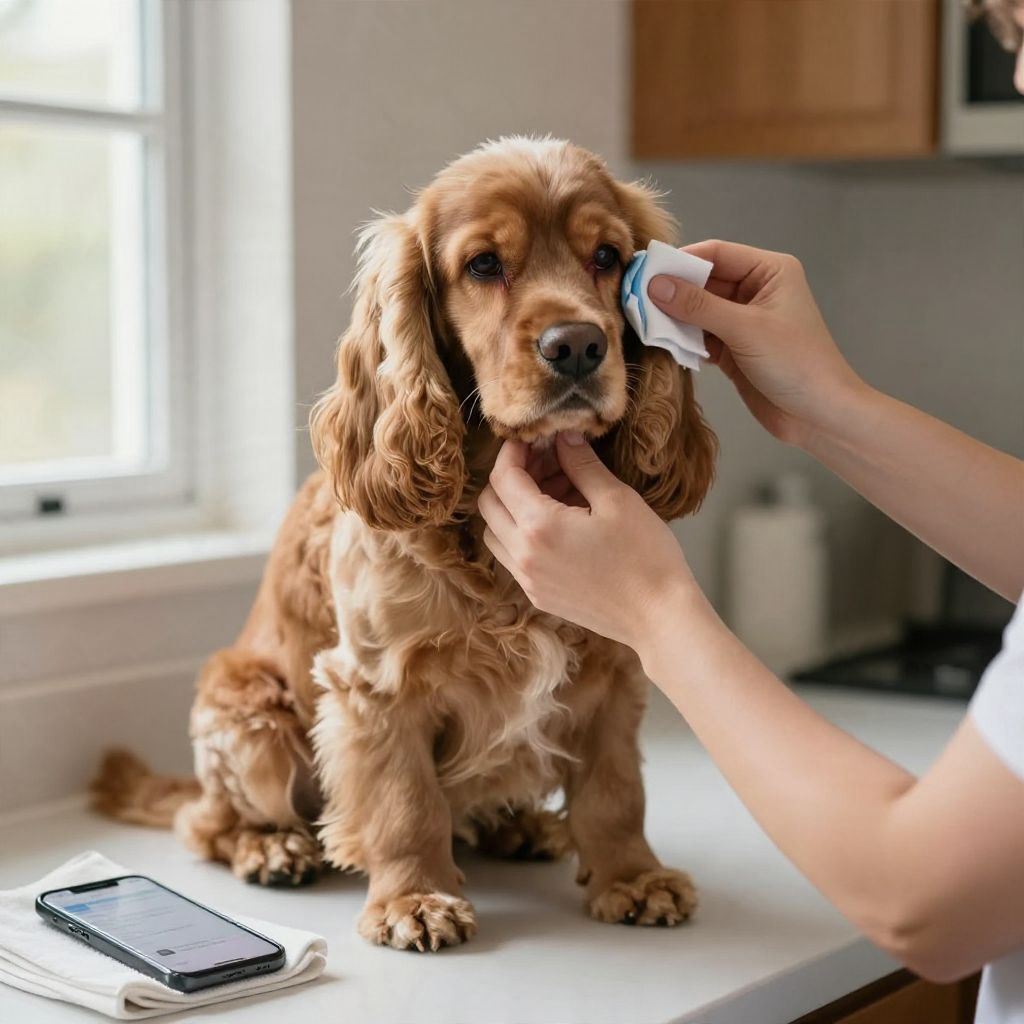
Dog ear hematomas can look alarming: one ear flap suddenly swells, feels puffy, and may flap or droop. If you are wondering how to treat dog ear hematoma at home, the safest answer is that home care is limited to comfort and prevention while you arrange a veterinary exam.
You should not try to drain it yourself. An ear hematoma usually needs veterinary treatment to avoid pain, infection, scarring, and long-term ear deformity, and the underlying cause of the head shaking or scratching also needs attention.
How To Treat Dog Ear Hematoma At Home?
You can soothe your dog and reduce further trauma at home, but you cannot safely cure an ear hematoma at home. Use a cone, limit scratching and head shaking, keep the ear clean and dry, and contact your veterinarian promptly. If the ear is very painful, hot, infected, or rapidly swelling, seek urgent care.
What a dog ear hematoma is
An ear hematoma is a pocket of blood that forms between the skin and cartilage of the ear flap, usually after repeated shaking, scratching, or trauma. It often appears as a soft, swollen, fluid-filled ear that may feel warm or tender.
The swelling is the result of broken blood vessels, but the trigger is often something else, such as ear infection, allergies, mites, a foreign body, or a skin problem. That is why treating only the swelling at home usually does not solve the real issue.
What you can do at home right away
Home care should focus on protecting the ear and preventing more damage until your vet can examine your dog. These steps are supportive, not a replacement for treatment.
- Prevent more scratching and shaking. Use an Elizabethan collar or another vet-approved recovery collar if your dog keeps pawing at the ear.
- Keep the ear clean and dry. Do not flush the ear or put liquids into the ear canal unless your veterinarian has told you to do so.
- Apply a cool compress gently. A wrapped cool pack on the outside of the ear flap for a few minutes may help with comfort, but stop if your dog resists or seems more distressed.
- Monitor the swelling. Take a photo or note the size so you can tell your vet whether it is changing.
- Arrange a veterinary visit quickly. Even if your dog seems comfortable, the hematoma and the cause behind it should be evaluated.
What not to do at home
Some common “home remedies” can make the problem worse or delay proper care. Avoid these mistakes.
- Do not puncture or drain the ear. This can introduce infection, cause more bleeding, and create a painful wound.
- Do not bandage tightly. A tight wrap can cut off circulation or trap moisture and debris.
- Do not give human pain medicine. Many over-the-counter drugs are unsafe for dogs or can be dangerous without veterinary guidance.
- Do not ignore the cause. If your dog keeps shaking or scratching, the hematoma is likely to return or worsen.
- Do not wait for it to “go away on its own.” Some small hematomas may shrink, but they can still scar or become infected.
Why veterinary treatment is usually needed
A vet can confirm that the swelling is truly a hematoma and not an abscess, bite wound, tumor, or another ear problem. Treatment may involve draining, medication, or a procedure to prevent the ear from refilling.
The best approach depends on the size of the hematoma, how long it has been present, your dog’s age and overall health, and whether there is an active ear infection or allergy flare-up. A young, healthy dog with a small, early hematoma may be managed differently from a senior dog with chronic ear disease.
Common veterinary approaches
- Addressing the cause: treating ear infection, mites, allergies, or irritation.
- Draining the fluid: sometimes used, though the pocket can refill if the cause is not controlled.
- Surgical repair: often recommended for larger or persistent hematomas to reduce recurrence and scarring.
- Pain relief and anti-inflammatory care: prescribed by the veterinarian when appropriate.
Signs your dog needs urgent veterinary care
Some ear hematomas can wait a short time for a routine appointment, but certain signs mean your dog should be seen urgently.
- The ear is extremely painful or your dog cries when touched.
- The swelling is rapidly increasing.
- There is pus, bad odor, bleeding, or a wound on the ear.
- Your dog has a fever, seems lethargic, or is not eating.
- The ear canal looks very inflamed, blocked, or full of discharge.
- Your dog has repeated head tilt, loss of balance, or severe ear pain.
If your dog is suddenly very ill, the ear is hot and swollen, or you suspect a serious infection or trauma, do not rely on home care alone.
How to help your dog stay comfortable until the appointment
Comfort measures can make the wait easier, especially if your dog is anxious or keeps trying to scratch the ear. Keep things calm and simple.
- Keep your dog indoors or closely supervised.
- Use a leash for potty breaks if your dog is active and likely to shake or rub the ear.
- Trim nails if they are long, so scratching causes less damage.
- Offer quiet rest away from rough play with other pets.
- Watch for signs of worsening discomfort, such as restlessness or head shaking.
Why ear hematomas happen in the first place
Ear hematomas are usually a symptom, not the main problem. Dogs often develop them after repeated trauma from head shaking or scratching, and that behavior often has an underlying cause.
Common triggers
- Ear infections, including yeast or bacterial infections
- Ear mites, especially in puppies or newly adopted dogs
- Allergies that cause itchy ears and skin
- Foreign material in the ear, such as grass awns or debris
- Skin irritation, wounds, or repeated ear trauma
Some dogs are more prone to ear problems because of ear shape, hair in the ear canal, swimming habits, or chronic allergies, but no breed is guaranteed to develop a hematoma. Individual health and environment matter a lot.
Recovery and prevention after treatment
Once your veterinarian treats the hematoma, the next goal is preventing it from coming back. Follow the aftercare plan closely, even if the ear looks better quickly.
- Use all prescribed medications exactly as directed.
- Keep follow-up appointments so the vet can check healing.
- Prevent scratching and shaking during recovery.
- Ask your vet how to manage chronic ear infections or allergies.
- Keep an eye on both ears, since the other ear may also have an underlying issue.
If your dog has recurring ear infections, your veterinarian may recommend a long-term plan for ear cleaning, allergy control, or grooming adjustments. The best prevention is treating the reason your dog is uncomfortable in the first place.
When home care is reasonable and when it is not
Home care is reasonable only as short-term support while you arrange veterinary care. It is not a cure, and it should never replace an exam if the ear is swollen.
In general, you can manage comfort at home for a brief period if your dog is otherwise stable, but you should not delay if the swelling is large, painful, or associated with infection, trauma, or illness. Puppies, seniors, and dogs with other health problems may need faster attention because they can become uncomfortable or complicated more quickly.
Bottom line
If you are asking how to treat dog ear hematoma at home, the safest answer is: protect the ear, stop the scratching, and get veterinary help promptly. You can support your dog at home, but the hematoma itself usually needs professional treatment to heal well and to prevent recurrence.
For more help with related skin and itch problems, you may also find it useful to read how to treat mange in dogs at home and how to stop a dog from licking paws at home.