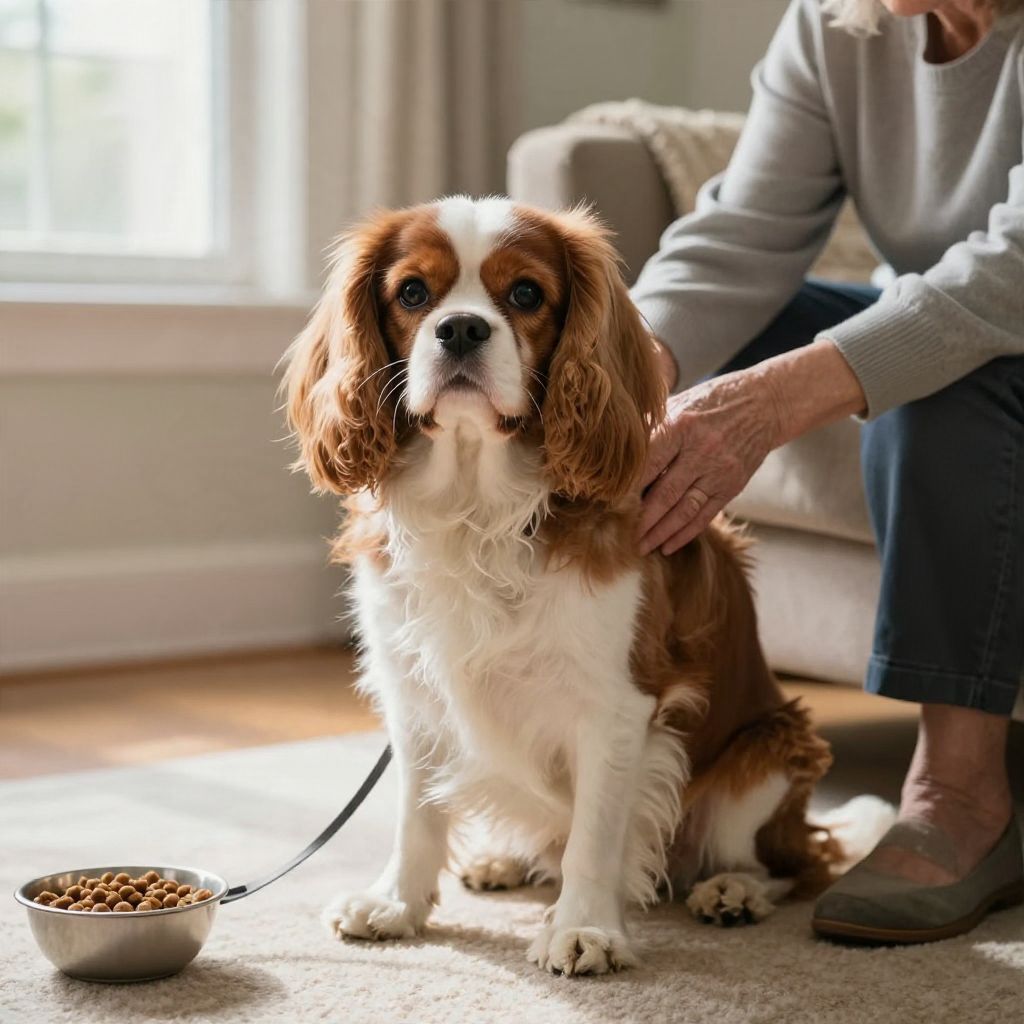
If you’re asking what are the best pets for elderly people, the best choice is usually a calm, manageable companion that matches the person’s energy, mobility, and daily routine. For many older adults, that means a small-to-medium adult dog with a steady temperament, low grooming needs, and moderate exercise needs.
The “best” pet is not the same for everyone. The right dog depends on health, living space, finances, support from family or caregivers, and whether the person wants a walking companion, a lap dog, or a more independent pet.
What Are The Best Pets For Elderly?
The best pets for elderly people are usually adult dogs with predictable behavior, moderate exercise needs, and easy care requirements. Many seniors do well with calm mixed-breed dogs, older rescue dogs, or breeds known for being adaptable and people-oriented. The best match is one that fits the person’s mobility, schedule, and ability to provide daily care.
What matters most when choosing a pet for an older adult
Breed matters less than the individual dog’s temperament, age, and training history. A gentle, well-socialized dog can be a better fit than a “senior-friendly” breed that is young, energetic, or poorly trained.
- Energy level: Can the person manage daily walks, play, and bathroom breaks?
- Size and strength: A dog that pulls on leash may be hard to control.
- Grooming needs: Some coats need regular brushing, trimming, or professional grooming.
- Training history: House-trained, leash-trained dogs are often easier to live with.
- Temperament: Look for calm, tolerant, and people-friendly behavior.
- Support system: Is there help for vet visits, cleaning, or emergency care?
If the older adult has arthritis, balance concerns, dementia, or limited stamina, the safest choice is often a dog that is already mature and settled rather than a puppy.
Why adult and senior dogs are often the best match
Puppies are adorable, but they usually need more supervision, training, housebreaking, and exercise than many older adults can comfortably provide. Adult and senior dogs are often calmer and more predictable, which can make daily life easier and safer.
Benefits of adopting an older dog
- More established personality
- Usually less destructive than a puppy
- Often already house-trained
- May need less intense exercise
- Can be a comforting companion without constant management
Senior dogs can be especially rewarding for elderly owners because they often appreciate a quieter home and a steady routine. They may also be overlooked in shelters, making them a meaningful adoption choice.
Dog traits that often suit elderly owners
There is no perfect breed for every senior, but certain traits are often helpful. A dog that is calm, polite, and easy to handle will usually be easier to care for than one that is highly energetic or strong-willed.
Often helpful traits
- Moderate or low exercise needs
- Good leash manners
- Low tendency to jump on people
- Comfort with being handled for grooming and vet care
- Ability to relax indoors
- Friendly but not overly demanding behavior
Traits that can be challenging
- Very high energy
- Strong prey drive or frequent chasing
- Excessive barking
- Separation distress if the owner is away often
- Pulling, lunging, or difficulty walking politely on leash
Even a small dog can be hard to manage if it is anxious, reactive, or poorly trained. The individual dog matters more than size alone.
Common dog types that may work well for seniors
Some breeds are often chosen by older adults because they tend to be affectionate, adaptable, or easier to live with. Still, every dog is an individual, and training and socialization can change behavior a lot.
Small companion dogs
Many small companion breeds are popular with seniors because they are easier to lift, transport, and house in smaller homes. However, some small dogs can be vocal or fragile, so temperament matters.
- Shih Tzu
- Cavalier King Charles Spaniel
- Havanese
- Maltese
- Papillon
Calm medium-sized dogs
Some medium dogs can be excellent companions if they are mature, well-trained, and not too demanding physically.
- Whippet
- Greyhound
- Miniature Poodle
- Spaniel mixes with steady temperaments
Older mixed-breed dogs
Adult mixed-breed dogs can be excellent pets for elderly people because their personalities are often easier to evaluate in a shelter or foster home. A foster-based adoption can help you see how the dog behaves in a real home before making a commitment.
When a puppy is not the best choice
Puppies require frequent potty breaks, training, chewing management, socialization, and close supervision. For many elderly people, that workload is too much unless family members or caregivers can reliably help.
- House training can mean many trips outside each day.
- Teething puppies may chew furniture, cords, and hands.
- Young dogs often need more exercise than expected.
- Behavior habits are easier to shape when someone can be consistent every day.
If you want a puppy anyway, make sure you have a realistic plan for help with training, cleanup, and veterinary care.
How to choose the right dog for an elderly person
Before adopting or buying a dog, think about the person’s daily life, not just the dog’s appearance. A good match should make life easier, not create stress or safety risks.
- Assess mobility, balance, and stamina honestly.
- Choose a dog whose exercise needs fit the owner’s routine.
- Look for a dog that is already house-trained or close to it.
- Meet the dog several times in calm settings.
- Ask about behavior around strangers, other pets, and handling.
- Consider a trial foster or home visit if available.
- Plan for backup help with grooming, walks, and emergencies.
Safety concerns to think about first
For elderly owners, safety is just as important as companionship. A dog that is too strong, too excitable, or too needy can increase the risk of falls, missed meals, skipped walks, or caregiver burnout.
Important safety questions
- Can the person safely hold the leash?
- Will the dog knock someone over when greeting?
- Can the owner bend down to feed, brush, and clean up after the dog?
- Is there a plan if the owner becomes ill or hospitalized?
- Can the dog be safely transported to the veterinarian?
If the older adult has memory problems, consider a dog with a very stable temperament and a strong support network. In some cases, a pet may be too much responsibility without help.
Care needs that are often easiest for seniors to manage
The best pets for elderly people are usually those with simple, predictable care. That does not mean “no work,” but it does mean a routine that is realistic and sustainable.
Feeding
Choose a dog that does well on a consistent feeding schedule. Avoid dogs with complicated feeding needs unless a veterinarian recommends them for a medical reason.
Exercise
Many older adults do best with dogs that enjoy short walks, gentle play, and indoor companionship. A few calm outings a day may be enough for some dogs, especially mature ones.
Grooming
Shorter coats or low-shedding coats may be easier for some seniors, but coat type is only one part of the picture. Regular brushing, nail trims, ear checks, and bathing still matter.
Training
Basic cues like sit, stay, come, leave it, and loose-leash walking can make daily care safer. Reward-based training is the best approach because it builds cooperation without fear or force.
When a cat, small pet, or no pet may be better
Sometimes the best answer to what are the best pets for elderly is not a dog. If walking, lifting, or cleaning up after a dog is too difficult, another pet or no pet at all may be the kinder choice.
- Cats may be better for people who want companionship with less walking and outdoor responsibility.
- Lower-maintenance pets may suit someone who cannot handle daily dog care.
- Volunteer or foster support can provide animal contact without full-time ownership.
The right decision is the one that protects both the person and the animal from stress, neglect, or accidental injury.
Signs the dog is not a good fit
Even a lovable dog may be the wrong match if the owner is struggling. Watch for early signs that the arrangement is too demanding.
- Frequent falls or near-falls during walks
- Skipping meals, rest, or medications because of pet care demands
- Difficulty keeping up with grooming or cleaning
- Fear of the dog’s jumping, barking, or pulling
- Repeated accidents in the house without a clear medical explanation
If these problems appear, ask a veterinarian or qualified trainer for help. Sometimes a few changes solve the issue; other times, rehoming is the safest option for everyone.
Health and veterinary care for older dogs
If the elderly person adopts a senior dog, regular veterinary care becomes even more important. Older dogs may need more frequent checkups for arthritis, dental disease, weight changes, vision or hearing loss, and other age-related concerns.
Call a veterinarian promptly if the dog has trouble breathing, collapses, cannot stand, has repeated vomiting or diarrhea, seems suddenly weak, has a swollen abdomen, or shows signs of severe pain. These can be urgent problems.
Also seek veterinary advice if the dog stops eating, drinks much more or less than usual, has sudden behavior changes, or starts having accidents after being house-trained.
Practical tips for making dog ownership easier
A few simple adjustments can make life much easier for an older adult and their dog.
- Use non-slip rugs to reduce falls.
- Keep food, water, and supplies in easy-to-reach places.
- Choose lightweight grooming tools and a comfortable harness.
- Use a fenced yard only if it is secure and safe.
- Arrange backup help for walks, vet visits, and emergencies.
- Keep emergency contacts and veterinary records organized.
Conclusion
The best pets for elderly people are usually calm, adult dogs with manageable exercise, simple care needs, and a steady temperament. Focus on the individual dog, not just the breed, and choose a pet that fits the person’s health, home, and support system. When in doubt, ask a veterinarian, shelter counselor, or qualified trainer for help finding the safest match.