What is the smartest dog breed? The short answer is that no single breed is “the smartest” in every way. Intelligence in dogs can mean trainability, problem-solving, memory, social awareness, or how quickly a dog learns cues.
Some breeds are often praised for fast learning and strong working drive, but individual dogs vary a lot. Your dog’s age, health, motivation, training history, and your methods matter just as much as breed.
What Is The Smartest Dog Breed?
There is no universal winner, but Border Collies are most often named as the smartest dog breed because many excel at learning cues, responding quickly, and handling complex tasks. Still, “smart” depends on what you value: obedience, problem-solving, independence, or emotional sensitivity.
What “smart” really means in dogs
Dog intelligence is not one single trait. A breed that learns commands quickly may not be the same breed that solves puzzles independently or stays calm in a busy home.
Common ways people measure dog intelligence
- Trainability: How quickly a dog learns new cues and routines.
- Working intelligence: How well a dog performs tasks like herding, scent work, or assistance work.
- Adaptive intelligence: How well a dog solves problems on its own.
- Social intelligence: How well a dog reads people and other animals.
Because these abilities differ, one breed may be easier to train in obedience while another may be better at independent decision-making. That is why “smartest” is more of a category than a single ranking.
Breeds often considered the smartest
These breeds are frequently recognized for learning ability and working aptitude, but none is automatically easy for every owner. A highly intelligent dog still needs structure, exercise, and mental enrichment.
Border Collie
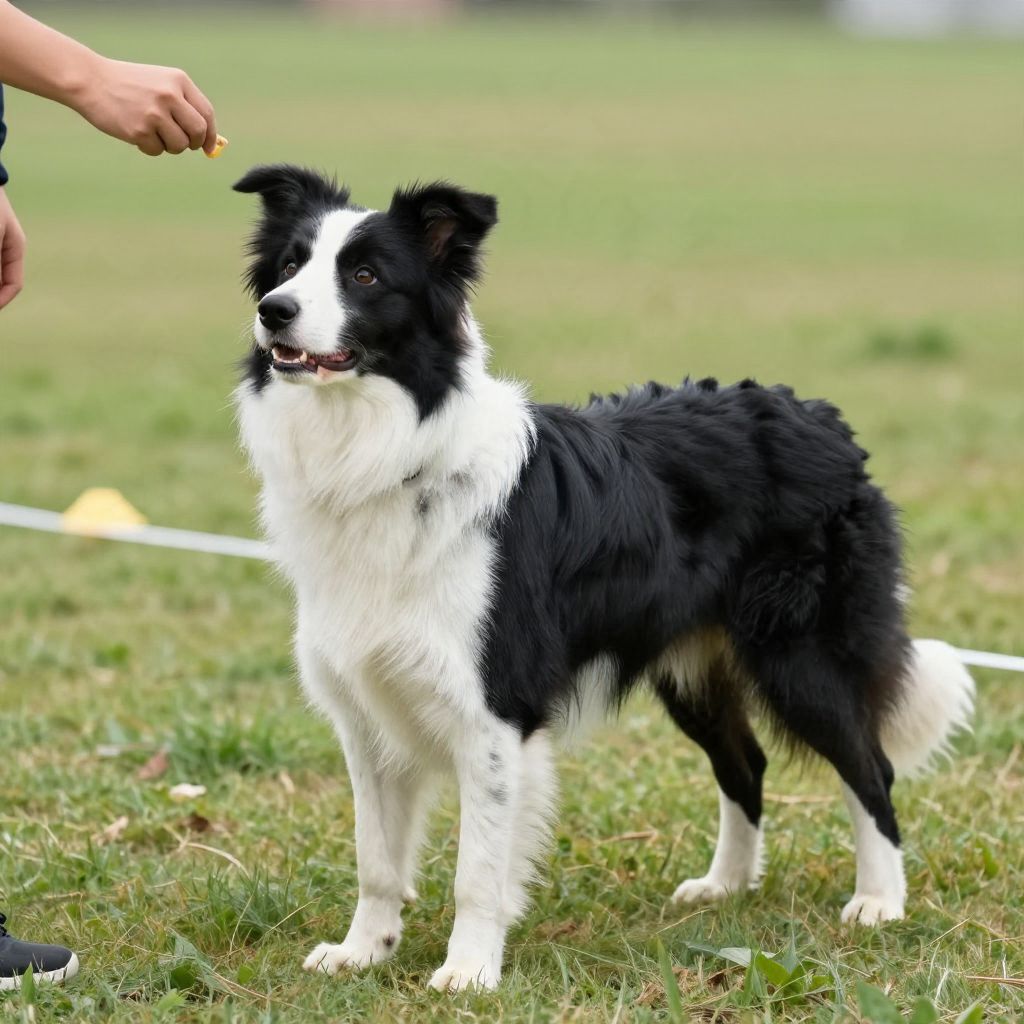
Border Collies are often the first breed mentioned when people ask what is the smartest dog breed. They are known for intense focus, quick learning, and strong herding instincts. They usually do best with active owners who can provide daily training and jobs to do.
Poodle
Poodles, including Standard, Miniature, and Toy varieties, are widely regarded as highly trainable and versatile. They often pick up routines quickly and can excel in obedience, agility, and therapy work.
German Shepherd Dog
German Shepherd Dogs are often valued for their problem-solving ability, loyalty, and working drive. They may thrive in homes that offer consistent training, socialization, and enough physical and mental activity.
Golden Retriever
Golden Retrievers are not only friendly but also highly trainable. Many learn quickly because they are eager to work with people, which makes them popular for assistance, therapy, and family life.
Doberman Pinscher
Dobermans are often described as alert, responsive, and highly capable learners. They usually need confident, positive training and plenty of socialization so their intelligence is guided in a healthy way.
Shetland Sheepdog
Shetland Sheepdogs are often quick learners with strong sensitivity to their handlers. They may excel in obedience and dog sports, though some can be vocal or reactive if not well managed.
Labrador Retriever
Labrador Retrievers are famous for being trainable, people-oriented, and versatile. Their intelligence often shows in how readily they learn household rules, retrieve tasks, and service work.
Why the smartest breed depends on your goal
The “smartest” breed for you depends on what you want from a dog. A dog that learns tricks fast may not be the best fit for a quiet apartment, and a highly independent breed may not be ideal if you want constant handler focus.
- For obedience and sport: Border Collies, Poodles, and Shelties often shine.
- For service or therapy potential: Labrador Retrievers and Golden Retrievers are common choices.
- For guarding and task work: German Shepherd Dogs and Dobermans are often strong candidates.
- For a family companion: Trainability matters, but temperament, energy level, and tolerance for your lifestyle matter too.
How to tell if your dog is intelligent
You do not need a breed label to recognize intelligence. Many mixed-breed dogs are extremely bright, and some may be especially good at reading routines, learning names, or solving household problems.
Signs your dog may be highly intelligent
- Learns new cues with fewer repetitions
- Notices patterns in your routine quickly
- Finds ways to open doors, reach food, or get your attention
- Responds well to problem-solving games
- Can become bored quickly without enough enrichment
Keep in mind that a dog who seems “stubborn” may actually be under-exercised, anxious, distracted, or confused by unclear training. Intelligence and cooperation are not the same thing.
What affects intelligence beyond breed
Breed can influence tendencies, but it does not determine your dog’s full potential. Individual personality and life experience often matter more than people expect.
- Training history: Dogs that have practiced skills consistently usually perform better.
- Motivation: Food, toys, praise, and play all affect learning.
- Age: Puppies are learning rapidly, while seniors may learn more slowly but still benefit from training.
- Health: Pain, hearing loss, vision changes, and cognitive decline can affect learning.
- Stress level: Fear and anxiety can make even a smart dog seem inattentive.
How to bring out your dog’s intelligence
Smart dogs need more than physical exercise. Mental work helps prevent boredom, destructive behavior, and frustration.
Use reward-based training
Positive reinforcement is one of the best ways to teach a smart dog. Reward the behaviors you want with treats, toys, praise, or access to something your dog enjoys.
- Keep training sessions short and upbeat.
- Teach one cue at a time.
- Reward fast, accurate responses.
- Practice in different places once your dog understands the cue.
- End before your dog becomes tired or frustrated.
Offer enrichment every day
- Food puzzle toys
- Sniff walks
- Hide-and-seek games
- Short trick-training sessions
- Appropriate chew items
Enrichment should match your dog’s size, age, and chewing style. Supervise new toys and remove anything that could be swallowed or broken apart.
Build socialization early
Well-managed socialization helps puppies become confident learners. Introduce new people, sounds, surfaces, and environments gradually, pairing each with positive experiences.
Common mistakes owners make with smart dogs
High-intelligence breeds can be wonderful, but they can also become frustrated if their needs are not met. The most common problems are usually management and training issues, not a lack of intelligence.
- Not enough exercise: A bored dog may bark, dig, chew, or pace.
- Repeating cues too often: This can teach your dog to ignore the first request.
- Using punishment: Fear-based methods can damage trust and increase stress.
- Skipping enrichment: Physical exercise alone may not satisfy a bright dog.
- Expecting instant perfection: Smart dogs still need repetition and consistency.
When intelligence problems may be a health issue
If your dog suddenly seems confused, less responsive, or unable to learn familiar routines, health problems may be involved. This is especially important if the change is new or happens along with other symptoms.
Call your veterinarian promptly if you notice
- Sudden behavior changes
- Loss of house-training in a previously trained dog
- Disorientation or wandering
- Reduced hearing or vision
- New anxiety, restlessness, or sleep changes
- Pain, stiffness, or reluctance to move
In older dogs, cognitive decline can sometimes affect memory and learning. Your veterinarian can help rule out medical causes and discuss supportive care.
Choosing the right breed for your lifestyle
If you are asking what is the smartest dog breed because you want an easier dog, intelligence alone is not enough. A very bright dog may need more time, training, and activity than a less intense breed.
Ask yourself these questions
- How much time can you spend training each day?
- Can you provide daily exercise and mental enrichment?
- Do you want a dog that works closely with you or one that is more independent?
- Is your home calm, busy, or highly active?
- Do you have experience with energetic or sensitive dogs?
The best match is a dog whose needs fit your routine. A breed that is “smart” on paper may still be difficult if your lifestyle cannot support its energy and stimulation needs.
Bottom line
If you want the simplest answer, Border Collies are most often considered the smartest dog breed. But the most important fact is that dog intelligence comes in many forms, and the best breed for you depends on temperament, training, and your daily life.
Focus on positive training, enrichment, and realistic expectations, and your dog can become a skilled, confident learner no matter the breed. If you want to compare breeds further, you may also find dog breed guides helpful, and for a different breed comparison, see what is the strongest dog in the world.