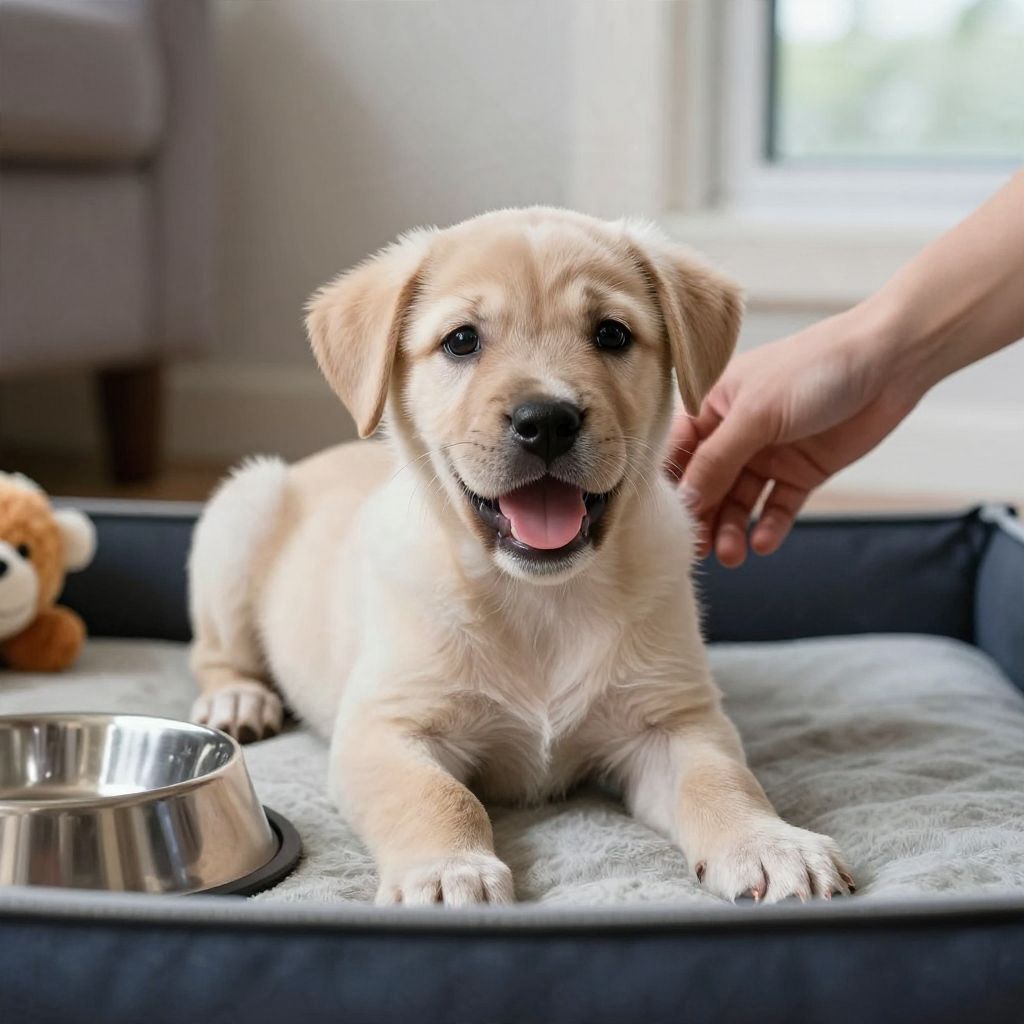
Do puppies breathe fast? Often, yes—puppies normally breathe faster than adult dogs, especially when they are sleeping, excited, warm, or just finished playing. Their small bodies and developing systems can make their breathing look quick even when they are healthy.
Still, fast breathing can sometimes signal pain, fever, stress, overheating, or a medical problem. The key is knowing what is normal for your puppy and which warning signs mean you should call a veterinarian right away.
Do puppies breathe fast?
Yes, puppies commonly breathe faster than adult dogs, and brief bursts of rapid breathing can be normal during sleep, excitement, heat, or after exercise. What matters is whether the breathing settles with rest and whether your puppy also shows coughing, distress, weakness, blue gums, or other concerning signs.
What normal puppy breathing can look like
Puppy breathing is often a little irregular because puppies are still growing and learning to regulate their activity. You may notice faster breathing when your puppy is:
- Asleep or dreaming
- Playing hard or running around
- Excited to see you
- Warm after being outside
- Recovering from stress, such as a vet visit or car ride
Many puppies also breathe more quickly than adult dogs at rest. That does not automatically mean something is wrong, especially if the breathing is quiet, your puppy is comfortable, and it slows down when they relax.
How to check your puppy’s breathing at home
If you are unsure, watch your puppy while they are calm or asleep. Count the rise and fall of the chest for 15 seconds, then multiply by four.
- Do this when your puppy is resting, not right after play.
- Compare the number over time rather than relying on one moment.
- Also note whether the breathing looks easy and relaxed or strained and noisy.
A single higher reading can happen for harmless reasons. Repeated fast breathing at rest is more concerning, especially if it is new for your puppy.
Why puppies may breathe fast
Fast breathing has many possible causes, and some are minor while others need veterinary attention. The context matters a lot.
Common non-emergency reasons
- Exercise or play: Puppies tire quickly and may pant or breathe rapidly after activity.
- Excitement: Anticipation can increase breathing rate temporarily.
- Warmth: Puppies cool themselves partly by panting.
- Stress or fear: New environments, loud noises, and separation can speed breathing.
- Dreaming: Some puppies breathe faster, twitch, or whimper while asleep.
Possible health-related causes
- Pain or injury
- Fever or infection
- Respiratory illness
- Heart problems
- Gastrointestinal discomfort or bloating
- Allergic reaction
- Heat exhaustion or heatstroke
- Low blood sugar, especially in very small or toy-breed puppies
You cannot tell the cause from breathing alone. If the pattern is unusual for your puppy or does not improve with rest, a veterinarian should evaluate them.
When fast breathing is normal and when it is not
Fast breathing is more likely to be normal if your puppy is otherwise bright, responsive, eating, drinking, and able to settle down. It is more concerning if the breathing happens while resting, worsens over time, or appears alongside other symptoms.
Usually less concerning
- Breathing speeds up after play and slows with rest
- Your puppy is alert and acting normally
- The breathing is quiet and not labored
- Your puppy is in a warm room or has just been active
More concerning
- Fast breathing at rest or during sleep that keeps happening
- Open-mouth breathing when your puppy is not hot or active
- Breathing that looks effortful, shallow, or noisy
- Coughing, wheezing, gagging, or nasal discharge
- Lethargy, weakness, vomiting, or poor appetite
- Restlessness, inability to settle, or obvious discomfort
Red flags that need urgent veterinary care
Seek urgent veterinary help right away if your puppy has fast breathing plus any of the following:
- Blue, gray, or very pale gums
- Collapse, extreme weakness, or trouble standing
- Severe coughing or choking
- Distended or painful abdomen
- Repeated vomiting or signs of dehydration
- Heat exposure with heavy panting, drooling, or disorientation
- Breathing with the neck stretched out, elbows held away from the body, or visible effort
These signs can indicate a true emergency. Do not wait to “see if it passes” when your puppy is struggling to breathe.
What to do if your puppy is breathing fast
Your next step depends on whether your puppy seems otherwise normal or looks unwell. Stay calm and observe closely.
- Move your puppy to a cool, quiet place. Reduce excitement and remove any obvious stressors.
- Check for other symptoms. Look at gum color, energy level, posture, coughing, vomiting, and temperature exposure.
- Let your puppy rest. Avoid play, training, or walks until breathing settles.
- Offer water if your puppy is alert. Do not force drinking.
- Call your veterinarian. If the fast breathing is happening at rest, keeps returning, or seems unusual, ask for guidance the same day.
If your puppy is in distress, go to an emergency veterinary clinic immediately. Fast breathing can worsen quickly when the underlying cause is serious.
How age, size, and breed can affect breathing
Not all puppies breathe the same way. Breathing rate can vary with age, body size, and individual anatomy.
Very young puppies
Young puppies may breathe faster than older dogs because they are small, active, and still developing. They can also become unwell quickly, so changes in breathing deserve attention sooner rather than later.
Toy and small-breed puppies
Smaller puppies may seem to breathe quickly more often, especially after excitement or play. They can also be more vulnerable to low blood sugar and temperature changes, so persistent fast breathing should not be ignored.
Flat-faced breeds
Puppies with short noses or flatter faces may have more breathing noise or effort than other dogs, but that does not mean breathing problems are normal. If your puppy struggles to breathe, overheats easily, or snores heavily even when awake, ask your veterinarian for advice.
Larger or very active puppies
Energetic puppies may pant hard after exercise, but they should recover fairly quickly. If your puppy stays breathless long after activity ends, that is a reason to check in with a vet.
Common mistakes to avoid
When you notice fast breathing, it is easy to overreact or miss an important sign. These mistakes can delay proper care:
- Assuming every fast breath is just excitement
- Waiting too long when breathing is fast at rest
- Trying to “tough it out” during hot weather
- Ignoring other symptoms like coughing or weakness
- Forcing exercise or training when your puppy seems unwell
- Using human medications or home remedies without veterinary guidance
It is better to call your veterinarian and be told your puppy is fine than to miss a developing emergency.
How to support healthy breathing in a puppy
Good daily care can reduce stress on your puppy’s body and make it easier to spot problems early.
- Keep exercise age-appropriate. Puppies need activity, but not prolonged or intense exertion.
- Avoid overheating. Provide shade, water, and indoor breaks in hot weather.
- Use calm routines. Predictable schedules can reduce stress-related panting.
- Maintain a healthy weight. Extra weight can make breathing harder.
- Keep vaccinations and parasite prevention current. This helps lower the risk of illnesses that can affect breathing.
- Monitor sleep and recovery. Puppies should settle and rest after activity.
If your puppy seems to breathe fast mainly when anxious, gentle socialization, positive reinforcement, and gradual exposure to new experiences can help reduce stress over time.
When to call your veterinarian even if it seems mild
Contact your veterinarian if fast breathing is new, recurring, or unexplained, even if your puppy seems mostly okay. A prompt exam is especially important if your puppy is very young, has a known heart or airway issue, or has recently been exposed to heat, trauma, or illness.
Your vet may ask about when the breathing started, whether it happens at rest or after activity, and whether there are other symptoms. That information helps them decide how urgent the situation is.
Bottom line
Do puppies breathe fast? Often yes, and brief rapid breathing can be normal during play, excitement, sleep, or warmth. But fast breathing at rest, breathing that looks hard or noisy, or breathing paired with weakness, blue gums, coughing, or collapse needs veterinary attention right away.
If you want to compare this with other breathing concerns, you may also find why a dog may breathe heavily helpful, and you can learn more about normal puppy behavior in do puppies sleep a lot.