
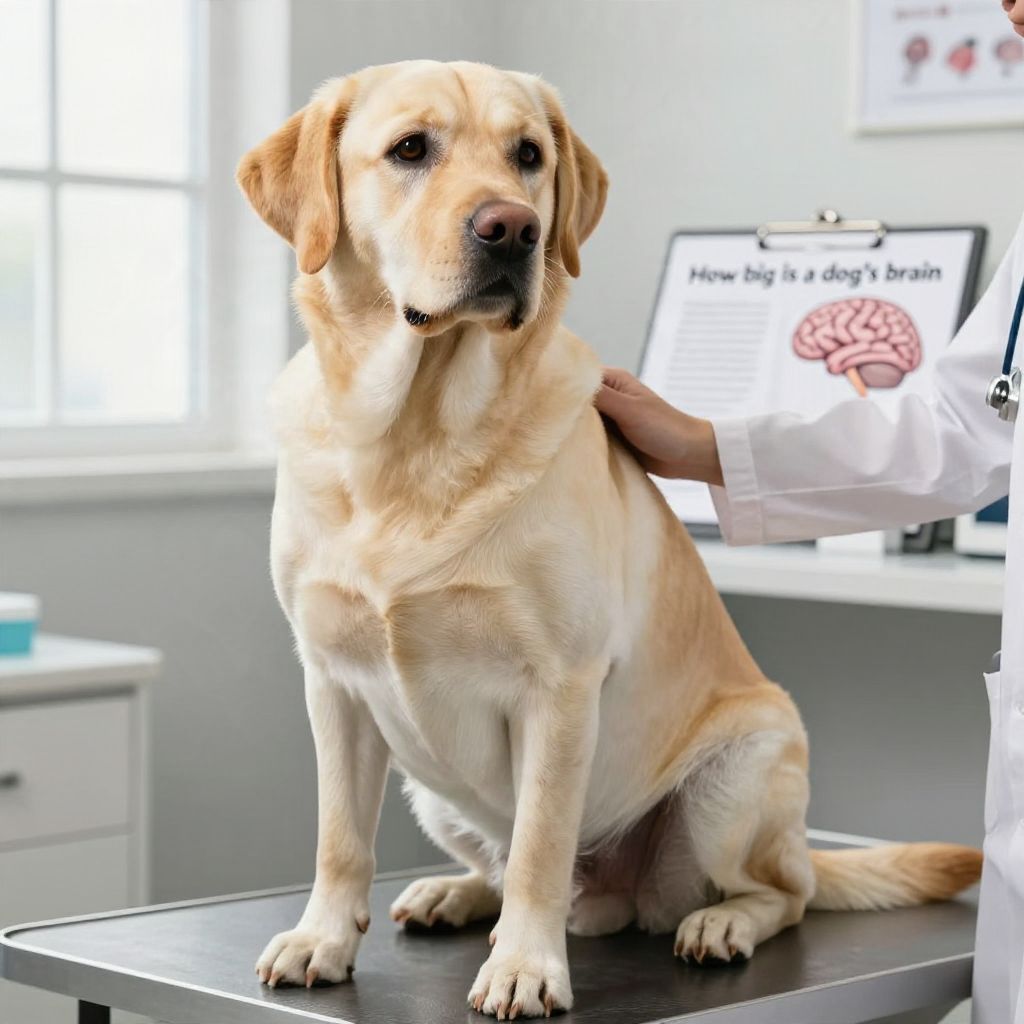
How big is a dogs brain? In general, a dog’s brain is much smaller than a human brain, but it is highly specialized for smell, hearing, movement, and social communication. Brain size varies with body size, breed, age, and overall health, so there is no single measurement for every dog.
What matters most is not just size, but how your dog’s brain functions. A healthy dog can learn, remember routines, solve problems, and respond to training in ways that fit their individual temperament and life experience.
How Big Is A Dogs Brain?
A dog’s brain is typically smaller than a human’s and usually weighs only a few ounces, with size varying by breed and body size. Larger dogs often have larger brains than smaller dogs, but brain size does not directly predict intelligence, trainability, or behavior.
What A Dog’s Brain Does Well
Dogs rely on their brains to process scent, sound, movement, emotion, and social cues. Their brains are especially good at interpreting the world through smell and at learning patterns through repetition and reward.
Key abilities dogs use every day
- Smell processing: Dogs can detect and sort scents far better than people can.
- Learning routines: They quickly notice feeding, walking, and training patterns.
- Social reading: Many dogs are skilled at reading human body language and tone.
- Memory for habits: Dogs often remember places, people, and repeated experiences.
- Problem-solving: Some dogs figure out puzzle toys, doors, or hiding places for treats.
Does Brain Size Mean A Dog Is Smarter?
Not necessarily. Brain size alone does not tell you how intelligent a dog is, how well they will train, or how they will behave. Breed tendencies, early socialization, motivation, stress, health, and training history all affect how a dog learns and responds.
Why this can vary so much
- Breed purpose: Some breeds were developed for scent work, herding, guarding, or companionship.
- Individual personality: Some dogs are naturally more cautious, bold, playful, or independent.
- Life experience: Positive exposure and practice improve confidence and learning.
- Health status: Pain, illness, poor sleep, or neurologic problems can affect behavior.
How Brain Size Changes With Age And Body Size
Puppies are born with developing brains, and much of their learning happens during early growth and socialization. Adult dogs have more stable brain function, while senior dogs may show age-related changes in memory, alertness, or behavior.
Puppies
Puppies need gentle, repeated experiences to build confidence and good habits. Short training sessions, safe socialization, and predictable routines help their brains develop healthy learning pathways.
Adult dogs
Adult dogs usually learn best through consistency, rewards, and clear boundaries. They may still learn new skills at any age, especially when training is broken into small steps.
Senior dogs
Older dogs may slow down mentally or physically. If your senior dog seems confused, restless at night, or forgetful, ask a veterinarian whether age-related cognitive changes or another medical issue could be involved.
What A Healthy Dog Brain Needs
A dog’s brain works best when basic needs are met. Good nutrition, exercise, sleep, mental stimulation, and low stress all support healthy brain function.
- Balanced diet: Feed a complete, age-appropriate dog food unless your veterinarian recommends otherwise.
- Regular exercise: Walks, play, and safe movement support physical and mental health.
- Mental enrichment: Training, scent games, and puzzle toys keep the brain active.
- Rest: Dogs need quiet downtime to recover and learn well.
- Predictability: A stable routine can reduce stress and improve behavior.
Signs Your Dog’s Brain May Not Be Working Normally
Changes in thinking, behavior, balance, or awareness can sometimes point to a medical problem. Do not assume a dog is “just getting old” or “being stubborn” if the change is new or worsening.
Call a veterinarian if you notice
- Sudden confusion or disorientation
- New pacing, restlessness, or nighttime waking
- Head pressing, circling, or staring spells
- Loss of house training after being reliable
- Unusual fear, aggression, or withdrawal
- Seizures, tremors, or collapse
- Loss of balance, stumbling, or weakness
Seek urgent veterinary care immediately if your dog has seizures, cannot stand, has a sudden severe behavior change, appears blind or very disoriented, or may have eaten something toxic.
How To Support Your Dog’s Brain At Home
You do not need special equipment to help your dog’s brain stay active. Small daily habits can make a big difference in learning, confidence, and overall well-being.
- Use reward-based training. Reward the behavior you want with treats, toys, praise, or access to something your dog enjoys.
- Keep sessions short. Many dogs learn better in brief, repeated lessons than in long, frustrating ones.
- Rotate enrichment. Try sniffing games, food puzzles, scatter feeding, or simple hide-and-seek.
- Protect sleep. Give your dog a quiet place to rest without constant interruption.
- Build confidence gradually. Introduce new people, places, and sounds at a pace your dog can handle.
- Schedule vet checks. Regular exams can catch pain, dental disease, vision loss, or other issues that affect behavior.
Common Mistakes That Can Stress A Dog’s Brain
Some well-meaning habits can make learning harder or create anxiety. If your dog seems “stubborn,” the problem may be confusion, fear, pain, or too much pressure.
- Using punishment instead of teaching the desired behavior
- Expecting long attention spans from puppies or anxious dogs
- Skipping enrichment and only meeting physical exercise needs
- Changing routines too often without helping the dog adjust
- Ignoring pain, itching, dental disease, or hearing and vision changes
Breed Differences: What They Do And Do Not Mean
Some breeds are often described as highly trainable, independent, energetic, or calm, but these are tendencies, not guarantees. Individual dogs within the same breed can differ a lot based on genetics, upbringing, and daily care.
How to use breed information wisely
- Use breed tendencies as a starting point, not a rule.
- Match training and exercise to your dog’s actual needs.
- Watch your dog’s body language instead of assuming what they “should” do.
- Ask a trainer or veterinarian if your dog’s behavior seems unusually intense or difficult.
When To Get Professional Help
If your dog is having trouble learning, seems mentally dull, or shows sudden behavior changes, professional guidance can help you sort out training issues from medical ones. A veterinarian should evaluate new or worsening symptoms first, especially in older dogs.
You may also benefit from a certified trainer or veterinary behaviorist if your dog has fear, reactivity, separation distress, or repeated behavior problems that do not improve with basic training.
Bottom Line
A dog’s brain is small compared with a human’s, but it is highly capable and specialized. The best way to support it is with good nutrition, exercise, rest, enrichment, and humane training, while watching closely for any sudden changes that need veterinary attention.
If you want to learn more about how dogs process the world, you may also find how dogs see the world and do dogs think helpful.