
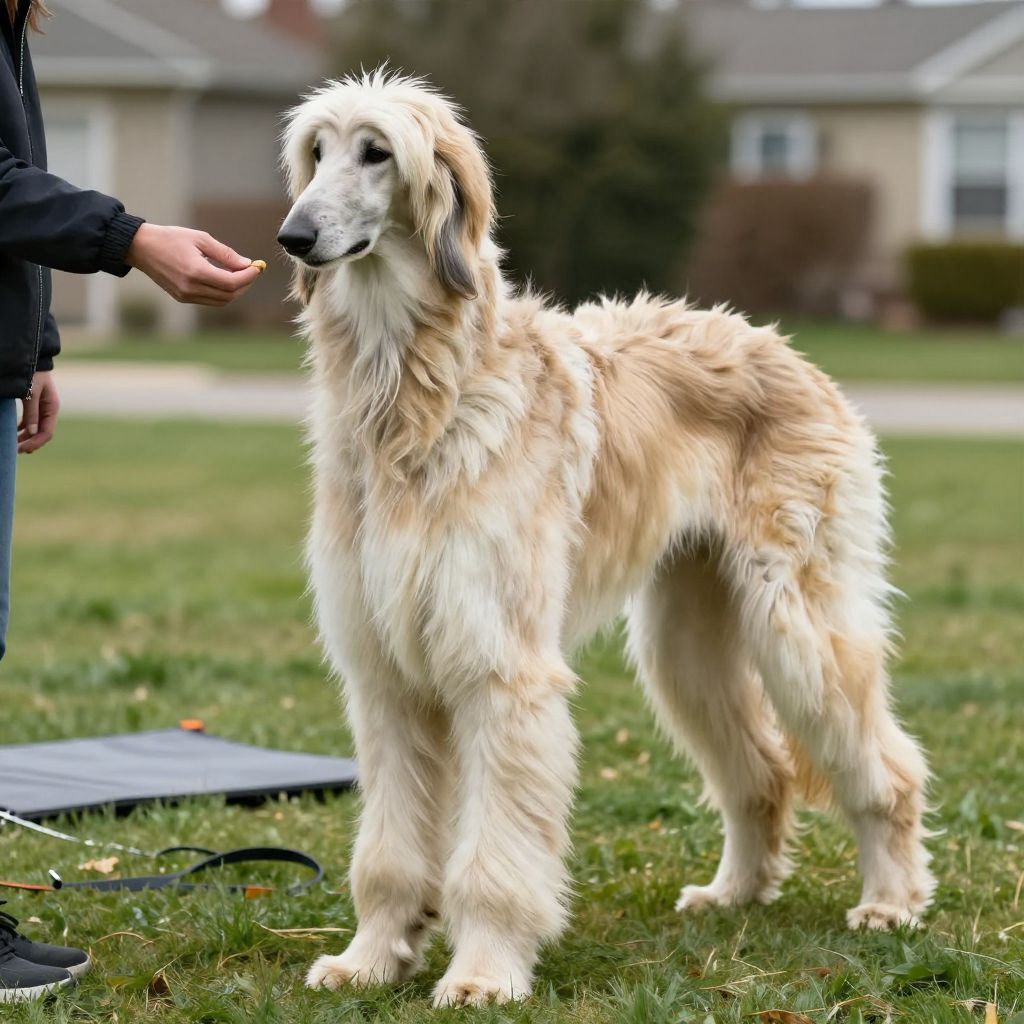
What is the dumbest dog breed? The short answer is that there really isn’t one. Dogs learn at different speeds, and “smart” can mean different things: obedience, problem-solving, independence, or how easily a dog is motivated by training.
Some breeds may be less eager to follow commands or more independent, but that does not make them bad pets. With the right training, enrichment, and patience, most dogs can learn well and thrive.
What Is The Dumbest Dog Breed?
There is no scientifically agreed-upon “dumbest” dog breed. Breed tendencies can affect trainability, focus, and independence, but individual personality, early socialization, health, and training history matter far more. A dog that seems stubborn may simply be distracted, undertrained, anxious, bored, or not motivated by the reward you are using.
Why “Dumb” Is the Wrong Way to Judge a Dog
People often use “dumb” to mean “hard to train,” but that is only one part of canine intelligence. A dog may be excellent at reading people, finding food, or making independent decisions while still ignoring repetitive obedience cues.
Breed labels can also be misleading. Two dogs of the same breed can have very different energy levels, confidence, food motivation, and willingness to work with you.
Different kinds of dog intelligence
- Working/obedience intelligence: how quickly a dog learns and repeats commands.
- Instinctive intelligence: breed-related talents such as scenting, herding, guarding, or retrieving.
- Adaptive intelligence: how well a dog solves problems on its own.
A breed that ranks lower in obedience style training may still be highly capable in other ways.
Breeds People Often Call “Less Smart”
Some breeds are commonly described as more independent or less eager to please, which can make them seem less trainable to inexperienced owners. That does not mean they are unintelligent; it often means they were developed to make decisions on their own or were selected for traits other than constant handler focus.
Examples often mentioned
- Afghan Hound: elegant and independent, often less food- or praise-driven than some working breeds.
- Basset Hound: scent-focused and stubborn when a smell takes over.
- Basenji: alert and independent, sometimes less motivated by repetitive obedience work.
- Bulldog types: may be calm and willing, but not always highly driven for fast command repetition.
- Chow Chow: often reserved and self-directed, which can be mistaken for low intelligence.
These are general tendencies, not guarantees. Any individual dog may be easier or harder to train than the breed stereotype suggests.
What People Usually Mean by “Dumb” in a Dog
When a dog seems “dumb,” the real issue is often one of these:
- Low motivation: the reward is not valuable enough to the dog.
- Short attention span: the dog is excited, young, or easily distracted.
- Independence: the dog prefers to make its own decisions.
- Poor training history: the dog never learned the behavior clearly.
- Stress or fear: anxiety can block learning.
- Health issues: pain, hearing loss, vision problems, or cognitive decline can affect responsiveness.
How to Tell Training Problems from a Real Health Concern
If your dog suddenly stops responding to cues, seems confused, or acts unlike usual, do not assume it is stubborn. A change in behavior can signal discomfort or illness, especially in older dogs.
Call a veterinarian if you notice
- Sudden confusion or disorientation
- New hearing or vision problems
- Repeated stumbling, weakness, or loss of balance
- Pain when moving or being touched
- Sudden behavior changes, especially in a previously trained dog
- Increased sleepiness, house-soiling, or pacing in an older dog
If your dog is collapsing, having seizures, struggling to breathe, or unable to stand, seek urgent veterinary care right away.
How to Train a Dog People Call “Dumb”
The best approach is not harsher discipline. It is clearer training, better rewards, and shorter sessions. Many dogs that seem slow to learn improve quickly when the method matches their temperament.
- Use high-value rewards. Try treats, toys, praise, or play, depending on what your dog loves most.
- Keep sessions short. A few minutes at a time often works better than long drills.
- Reduce distractions first. Start in a quiet room before moving to harder environments.
- Teach one cue at a time. Avoid overwhelming your dog with too many commands.
- Reward the behavior you want immediately. Timing matters.
- Be consistent. Use the same cue words and hand signals.
- Practice in small steps. Build success gradually instead of expecting perfection.
What not to do
- Do not punish confusion.
- Do not use fear, intimidation, or “dominance” tactics.
- Do not keep repeating a cue if your dog does not understand it yet.
- Do not assume a breed stereotype explains every mistake.
Why Some Dogs Seem Harder to Train Than Others
Breed history matters. Dogs bred for scent work, guarding, independent hunting, or problem-solving may not automatically enjoy repetitive obedience in the way some companion or working breeds do.
That does not make them less capable. It means their strengths may show up in different ways, such as persistence, scent tracking, alertness, or decision-making.
Common factors that affect learning
- Age: puppies are easily distracted; seniors may learn more slowly.
- Energy level: an under-exercised dog may not focus well.
- Health: pain and illness can reduce engagement.
- Socialization: fearful dogs often need confidence-building first.
- Environment: noisy or busy spaces make learning harder.
- Reward choice: some dogs ignore low-value treats.
How to Help a Dog Learn Better
If your dog seems slow to catch on, improve the setup before blaming the breed. Many training problems are really communication problems.
Practical tips
- Train after exercise, not when your dog is overly excited.
- Use a leash or safe barrier to prevent rehearsal of unwanted behavior.
- Mark the correct behavior quickly with a consistent word or clicker if you use one.
- Practice in different locations once your dog understands the cue at home.
- End on a success so your dog stays engaged.
When to Get Professional Help
If your dog is not improving, a certified trainer or veterinary behaviorist can help you identify whether the issue is training, fear, frustration, or a medical problem. This is especially important if your dog shows aggression, panic, severe anxiety, or sudden changes in behavior.
Professional guidance is also useful if you have a breed with a strong independent streak and want a plan that fits your dog’s natural style.
What to Expect from Different Breeds
Instead of asking which breed is the dumbest, a better question is which breed fits your lifestyle and training experience. Some dogs are easier for first-time owners because they are eager to work closely with people. Others are more independent and need more patience, structure, and motivation.
That difference is not a flaw. It simply means the dog’s natural instincts may not match your expectations for instant obedience.
Bottom Line
There is no true “dumbest dog breed.” Some breeds are more independent or less obedience-focused, but intelligence in dogs is varied and individual. If you use positive training, choose rewards your dog values, and rule out health issues when behavior changes, you will usually get much better results than by relying on stereotypes.
If you want to compare breed traits more broadly, you may also find it helpful to read what is the smartest dog breed and, for safety awareness, what is the most dangerous dog in the world.