
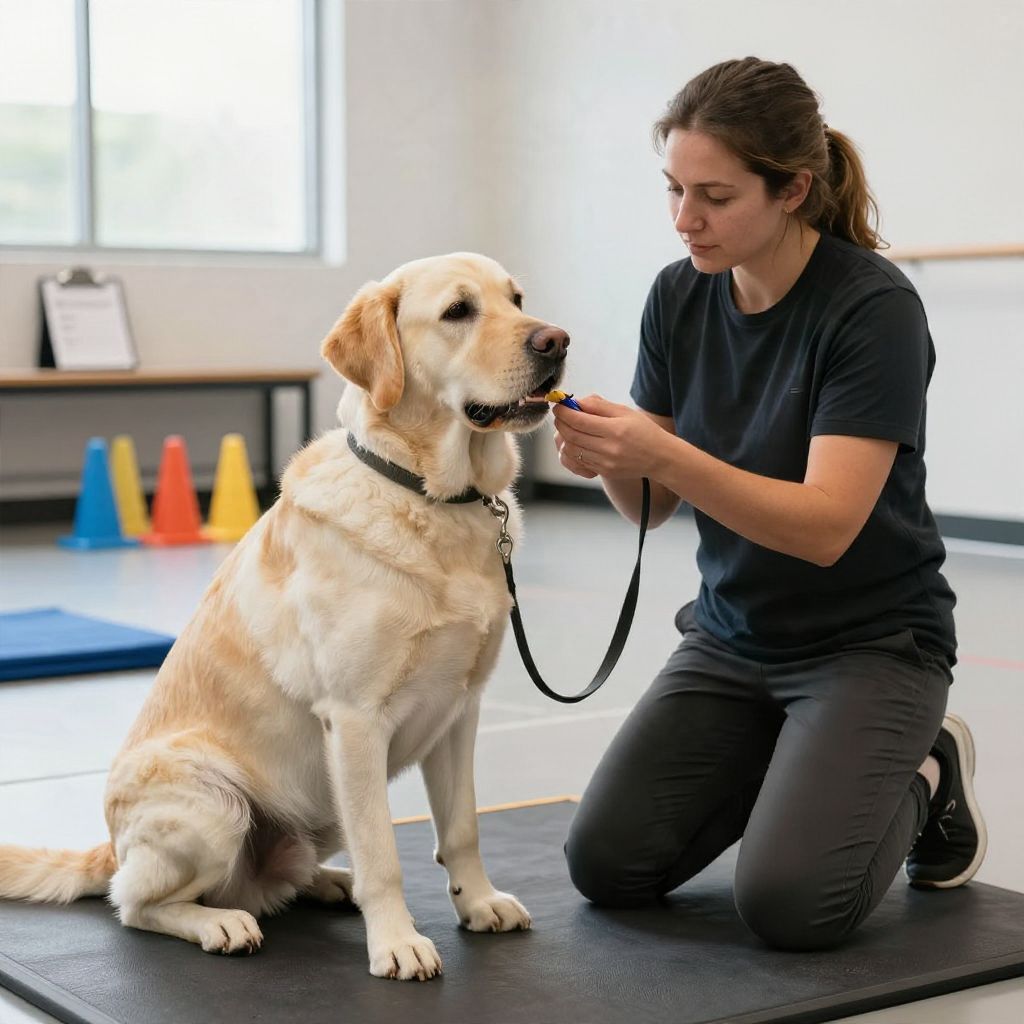
How much is dog training? The price depends on the type of training, your dog’s age and behavior, your location, and whether you choose group classes, private lessons, or board-and-train programs. Basic manners training usually costs less than behavior work for fear, reactivity, or aggression.
In general, you can expect a wide range of prices rather than one fixed number. The best value is often a humane, reward-based trainer who gives you clear homework, realistic goals, and support that fits your dog’s needs.
How much is dog training?
Dog training can cost anywhere from modest group-class fees to much higher private or intensive behavior-program rates. Simple obedience for a young, social dog is usually less expensive than training for serious behavior issues, and the total often depends on session length, trainer experience, and how much follow-up you need.
What affects the cost of dog training?
Several factors can change the price, even for dogs with similar goals. A trainer may charge more if your dog needs specialized help, if sessions are in your home, or if the program includes written plans, video reviews, or ongoing coaching.
1. Type of training
- Group classes: Often the most budget-friendly option for basic manners, leash skills, and puppy socialization.
- Private lessons: Usually cost more, but they are helpful for shy dogs, busy households, or dogs with specific issues.
- Board-and-train: Typically the most expensive option because your dog stays with the trainer for several days or weeks.
- Behavior consultation: May cost more when the issue involves fear, reactivity, separation distress, or aggression.
2. Your dog’s age and behavior
Puppies often do well in group classes focused on socialization, house training, and basic cues. Adult dogs with long-standing habits, medical discomfort, or anxiety may need more sessions and a more individualized plan.
3. Trainer credentials and experience
More experienced trainers, especially those who use science-based methods and handle complex behavior cases, may charge higher fees. That can be worthwhile if your dog needs careful assessment and a humane plan.
4. Location and travel
Training prices often vary by region. In-home sessions may also include travel fees, and urban areas may cost more than smaller towns.
Typical dog training price ranges
Exact prices vary widely, but these broad ranges can help you plan. Always ask what is included before you book, because one trainer’s “package” may cover far more support than another’s.
- Group puppy or beginner classes: Usually the lowest-cost option for foundational skills.
- Private sessions: Commonly priced per visit and often higher than group classes.
- Training packages: May offer a lower per-session rate if you buy multiple lessons at once.
- Board-and-train programs: Often significantly more expensive because they include lodging and intensive daily work.
- Special behavior work: Can cost more than standard obedience because it requires assessment, planning, and follow-up.
If you are comparing quotes, look beyond the headline price. A cheaper program may not include coaching for you, which matters because your consistency is a major part of your dog’s progress.
Which training option is best for your dog?
The best choice depends on your dog’s temperament, your goals, and how much hands-on guidance you want. A high-energy puppy, a nervous rescue dog, and a confident adult dog with basic manners may all benefit from different approaches.
Group classes
Group classes are a good fit when your dog can focus around other dogs and people. They are often ideal for puppies, basic obedience, and polite social exposure in a controlled setting.
- Best for: socialization, foundation cues, loose-leash walking basics, and settling around distractions.
- Less ideal for: dogs who are fearful, reactive, or easily overwhelmed.
Private lessons
Private training works well when your dog needs a custom plan. It is also useful if your schedule is limited or if you want the trainer to observe your home routine, leash handling, or household setup.
- Best for: jumping, counter surfing, leash pulling, mild reactivity, house training, and family consistency.
- Helpful when: you need coaching for multiple people in the home.
Board-and-train programs
Board-and-train can look convenient, but it is not a shortcut. Dogs still need to learn with you afterward, and you should ask how much owner coaching is included.
- Best for: some dogs that need intensive structure, if the program is humane and transparent.
- Watch for: vague promises, lack of owner instruction, or methods that rely on fear or intimidation.
How to tell if a dog trainer is worth the money
Price matters, but so does quality. A good trainer should explain what they will do, why they recommend it, and how you will practice at home.
- Ask whether they use reward-based methods.
- Ask what experience they have with your dog’s specific issue.
- Ask how they handle fear, reactivity, or aggression.
- Ask what homework you will get between sessions.
- Ask whether they coordinate with your veterinarian when needed.
Be cautious if a trainer promises instant results, discourages questions, or recommends punishment-based tools as the first solution. Humane training is safer and more effective for most dogs, especially those who are anxious or sensitive.
When training costs more because of behavior concerns
Training for behavior problems often costs more than basic manners because the plan must be more individualized. A dog who barks at other dogs, panics when left alone, or guards resources may need careful behavior modification rather than a standard obedience class.
Common issues that may need specialized help
- Leash reactivity
- Separation-related distress
- Fear of strangers, noises, or handling
- Resource guarding
- Repeated jumping, mouthing, or rough play
- House-soiling that may have a medical or training component
Some of these issues can overlap with medical problems. If your dog’s behavior changed suddenly, seems painful, or comes with appetite changes, accidents, stiffness, or lethargy, check with your veterinarian first.
Can you save money on dog training without cutting corners?
Yes. You can often reduce costs by choosing the right format and doing consistent practice at home. The goal is not just to buy sessions, but to build skills you can use every day.
- Start with a group class if your dog is a good candidate.
- Choose a trainer who teaches you how to continue between sessions.
- Practice short sessions at home instead of waiting for the next appointment.
- Focus on the most important goals first, such as recall, loose leash walking, and calm settling.
- Ask whether package pricing is available.
Buying the cheapest option is not always the best savings if the method is ineffective or stressful. A well-designed plan can shorten the total time and reduce frustration for both you and your dog.
What training your dog may need at different life stages
Your dog’s age can influence both the cost and the type of training that helps most. Puppies need early learning and socialization, while adult and senior dogs may need refresher work or support for age-related changes.
Puppies
Puppies usually benefit from early classes that cover handling, socialization, house training, crate comfort, and bite inhibition. Starting early can prevent problems from becoming expensive habits later.
Adult dogs
Adult dogs may need support for leash manners, recall, impulse control, or household routines. If your adult dog has been rehearsing a behavior for years, expect the process to take time and repetition.
Senior dogs
Older dogs can still learn, but they may need shorter sessions and more patience. If your senior dog seems confused, restless, or less responsive, a veterinary exam can help rule out pain, hearing loss, vision changes, or cognitive decline.
Questions to ask before you book
Asking the right questions can help you compare trainers fairly and avoid hidden costs. It also helps you find someone whose methods match your values and your dog’s needs.
- What is included in the price?
- How many sessions are usually needed?
- Do you use reward-based methods?
- Will you show me how to practice at home?
- Do you have experience with my dog’s issue?
- What happens if my dog does not progress as expected?
- Do you work with veterinarians or veterinary behaviorists when needed?
When to get veterinary help first
Training is important, but some problems are medical first. If your dog suddenly starts acting differently, a veterinarian should evaluate pain, illness, or injury before you assume it is “just behavior.”
Seek prompt veterinary care if your dog has sudden aggression, collapse, trouble breathing, repeated vomiting, severe lethargy, inability to walk normally, or signs of pain such as limping, yelping, or guarding the body. For serious behavior changes, a veterinary behaviorist may be the best next step.
Bottom line on how much dog training costs
How much dog training costs depends on the format, your dog’s needs, and the trainer’s expertise. Group classes are usually the most affordable, while private behavior work and board-and-train programs cost more. Choose a humane trainer who teaches you practical skills, and ask questions before you commit.
If you are also budgeting for a new dog, it can help to compare training costs with other ownership expenses, such as breed-specific needs and supplies. You may also find it useful to read about how much a German Shepherd costs or how much a Pomeranian is if you are planning ahead.