
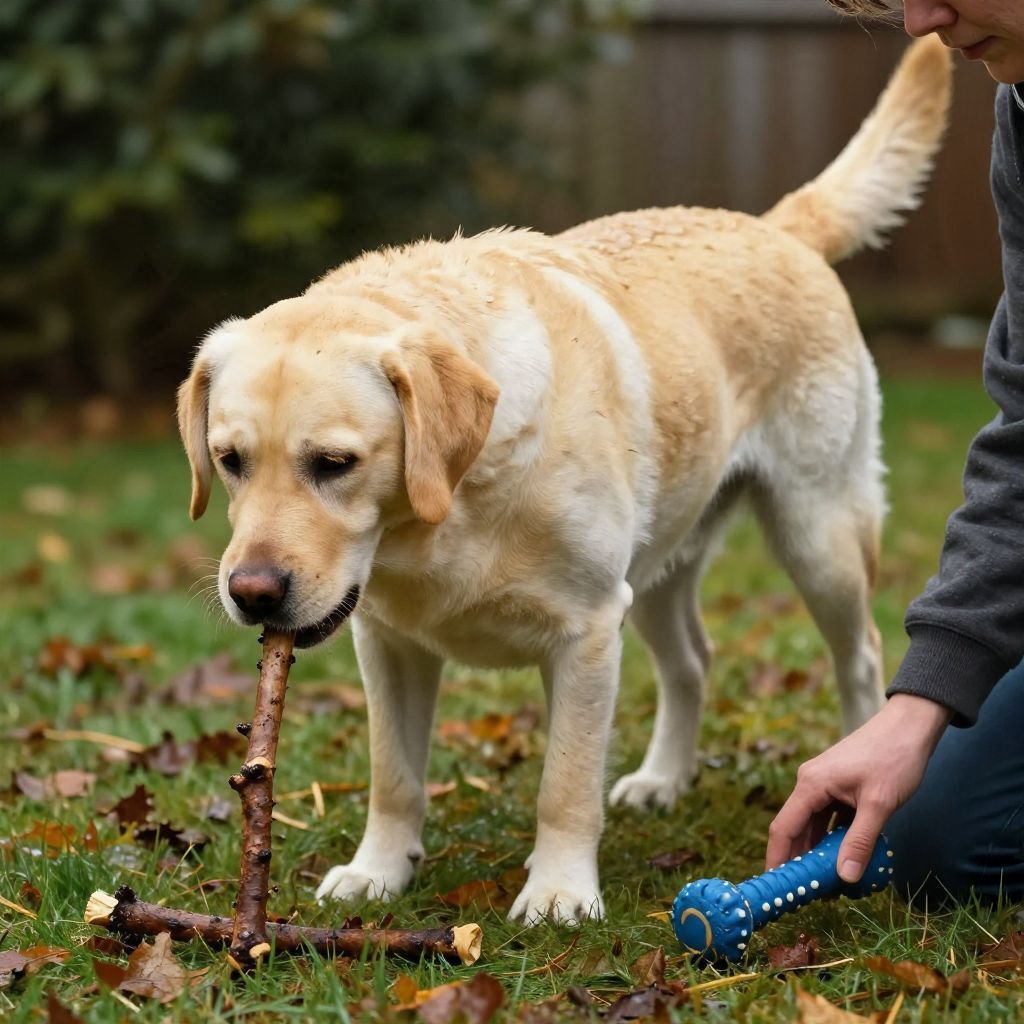
Why do dogs eat sticks? Most of the time, it’s a mix of instinct, curiosity, boredom, chewing needs, or an appealing smell and texture. Some dogs also grab sticks during play or when they are anxious and looking for something to do.
While occasional interest in sticks is common, eating them can cause mouth injuries, choking, stomach upset, or intestinal blockage. If your dog is swallowing wood often, seems painful, or has vomiting, lethargy, or trouble pooping, contact your veterinarian.
Why do dogs eat sticks?
Dogs eat sticks for several common reasons: they like to chew, they are exploring their environment, they are under-stimulated, or they have learned that sticks are fun to carry and shred. Some dogs are more persistent chewers than others, but any dog can develop the habit.
Common reasons dogs chew or swallow sticks
Understanding the trigger helps you respond safely. The reason may be simple, or it may point to a bigger issue like stress, dental discomfort, or a lack of appropriate enrichment.
Natural chewing behavior
Chewing is normal dog behavior. Puppies especially use their mouths to explore, and adult dogs may chew to relieve tension or satisfy a strong need to gnaw.
Sticks can seem appealing because they are:
- Easy to find outdoors
- Light enough to carry
- Textured and satisfying to shred
- Associated with games like fetch
Boredom or excess energy
A dog that does not get enough exercise, training, or mental stimulation may invent its own entertainment. If sticks are the most interesting object available, your dog may start seeking them out on walks or in the yard.
Attention-seeking or learned behavior
If your dog gets a big reaction every time they pick up a stick, they may repeat the behavior. Even negative attention can be rewarding for some dogs.
Anxiety, stress, or frustration
Some dogs chew sticks when they feel unsettled. This can happen during changes in routine, when left alone too long, or in busy environments that are hard for them to process.
Puppy teething
Puppies often want to chew more than adult dogs because their mouths are sore and they are learning what is safe to bite. Sticks may be especially tempting if they are available during outdoor play.
Possible medical or nutritional concerns
Less commonly, repeated wood chewing can be linked to discomfort in the mouth, gastrointestinal upset, or a condition called pica, where dogs eat non-food items. A dog that suddenly starts obsessively chewing sticks may need a veterinary exam.
Is eating sticks dangerous for dogs?
Yes. Even if your dog seems fine after chewing a stick, wood can splinter and cause cuts inside the mouth, throat, or digestive tract. Larger pieces can also become lodged and create a blockage.
Potential risks include:
- Broken teeth
- Gum or tongue injuries
- Choking
- Esophageal injury
- Vomiting or abdominal pain
- Intestinal obstruction
- Infection if splinters puncture tissue
Urgent veterinary care is needed if your dog is choking, cannot swallow, has repeated vomiting, a swollen abdomen, severe pain, weakness, pale gums, or seems unable to pass stool.
What to do if your dog eats a stick
If your dog has already swallowed part of a stick, stay calm and assess the situation. The right next step depends on whether your dog is coughing, choking, acting normal, or showing signs of injury.
- Check your dog’s mouth only if it is safe to do so.
- Do not pull hard on a stick that is stuck in the mouth or throat.
- Watch for coughing, gagging, drooling, vomiting, or trouble breathing.
- Contact your veterinarian for guidance, especially if a large or sharp piece was swallowed.
- Seek emergency care right away if your dog has breathing trouble, collapse, severe pain, or repeated vomiting.
Do not try to make your dog vomit unless a veterinarian specifically instructs you to do so. That can make the situation worse if the wood is sharp or already causing irritation.
How to stop your dog from eating sticks
The best approach is prevention plus training. You want to make sticks less available and make better chewing choices more rewarding.
1. Manage the environment
Prevention is often the easiest fix. If your yard or walking route has lots of sticks, reduce access where possible.
- Pick up fallen branches regularly
- Keep your dog on leash in stick-heavy areas
- Choose safer walking routes when possible
- Supervise outdoor play, especially for puppies and enthusiastic chewers
2. Offer safer chew options
Give your dog appropriate chew toys that match their size and chewing style. The goal is to redirect the chewing instinct, not to suppress it.
Good options are durable, dog-safe toys chosen for your individual dog. If your dog is a strong chewer, ask your veterinarian or a qualified trainer for suggestions that fit your dog’s age and chewing habits.
3. Teach a reliable “leave it” cue
A strong leave-it cue helps you interrupt stick grabbing before it becomes swallowing. Use reward-based training and practice in low-distraction settings first.
Helpful training basics:
- Reward your dog for ignoring low-value objects
- Increase difficulty gradually
- Use treats, praise, or play as reinforcement
- Practice on walks and in the yard once your dog understands the cue
4. Increase exercise and enrichment
If your dog eats sticks from boredom, add more ways to use their brain and body. Many dogs do better when they get structured activity every day.
- Sniff walks
- Short training sessions
- Food puzzles or scatter feeding
- Fetch with safe toys, not sticks
- Appropriate playdates with compatible dogs
5. Watch for stress triggers
If stick chewing happens during stressful moments, note the pattern. Your dog may need a calmer routine, more predictability, or help from a qualified behavior professional.
When should you call the vet?
Call your veterinarian if your dog eats sticks repeatedly, has a sudden change in chewing behavior, or seems uncomfortable after chewing. A vet visit is especially important if your dog has a history of swallowing foreign objects.
Contact a veterinarian promptly if you notice:
- Vomiting or retching
- Drooling or pawing at the mouth
- Loss of appetite
- Abdominal pain or bloating
- Constipation or straining to defecate
- Blood in saliva, vomit, or stool
- Lethargy or unusual behavior
If your dog is a puppy, senior, or has dental disease, digestive problems, or a history of obstruction, take stick chewing seriously even if symptoms seem mild.
When should you work with a trainer or behavior professional?
If your dog obsessively seeks out sticks, ignores redirection, or seems anxious outdoors, a certified trainer or veterinary behaviorist can help. This is especially useful when the behavior is part of a larger pattern of reactivity, frustration, or compulsive chewing.
Choose someone who uses humane, reward-based methods. Avoid anyone who recommends punishment or intimidation, since those methods can increase stress and make chewing problems worse.
What not to do
Some common responses can accidentally make the problem harder to fix. Safer, calmer handling works better in the long run.
- Do not yank a stick out of your dog’s mouth
- Do not punish your dog after the fact
- Do not assume all chewing is “just a phase” if it is frequent or intense
- Do not ignore vomiting, pain, or swallowing trouble
- Do not rely on unsafe homemade chew items
Does breed matter?
Breed can influence chewing style, energy level, and prey drive, but it does not determine behavior by itself. Individual temperament, age, training, health, and daily routine matter just as much.
Some dogs may be more likely to mouth objects, retrieve, or chew intensely because of their normal activity level or working background. Still, any dog can develop the habit of eating sticks if the environment and reinforcement patterns make it rewarding.
Bottom line
Dogs eat sticks because chewing is natural, sticks are easy to access, and the behavior can be reinforced by boredom, stress, or play. The safest response is to prevent access, teach a solid leave-it cue, and offer better chew outlets. If your dog swallows wood or shows any warning signs, contact your veterinarian right away.
If you want to understand related chewing and scavenging habits, you may also find why dogs like sticks helpful, along with other practical dog-care reading on common mouth-and-stomach behaviors.