
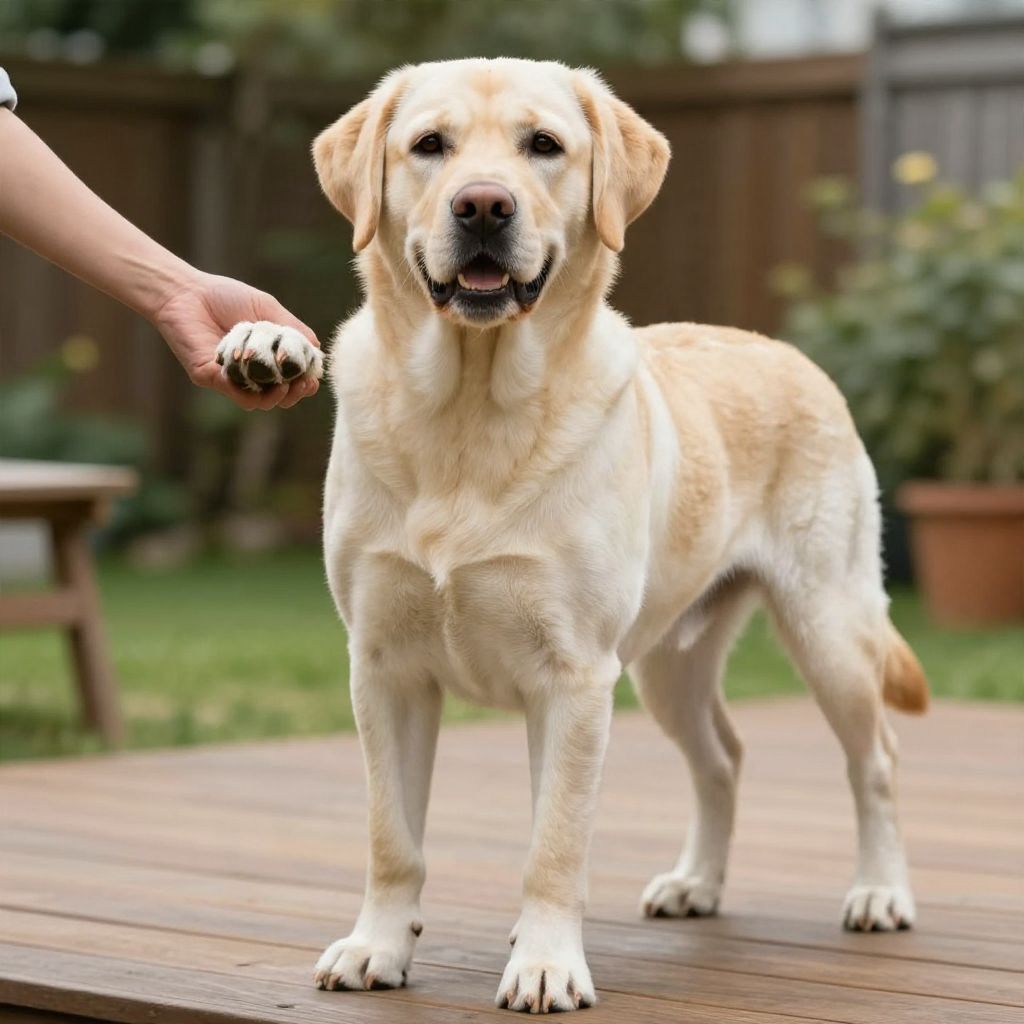
How many toes does a dog have? Most dogs have 18 toes total: five on each front paw and four on each back paw. That means 10 toes in front and 8 in back, though some dogs have extra toes called dewclaws or, more rarely, extra digits.
The exact number can vary with breed, genetics, and whether a dog has had a dewclaw removed. If you notice swelling, pain, a broken nail, or an odd-looking toe, it’s worth checking with your veterinarian.
How Many Toes Does A Dog Have?
Most dogs have 18 toes altogether: 10 on the front paws and 8 on the hind paws. The front paws usually have five toes each, while the back paws usually have four each. Some dogs also have dewclaws, which are extra toe-like digits that may or may not touch the ground.
Why Dogs Have Different Toe Counts
While 18 is the usual total, not every dog has the same paw structure. Variation is common and can be completely normal.
Front paws
Front paws usually have five toes. Four touch the ground, and the fifth is often the dewclaw, which sits higher on the leg.
Back paws
Back paws usually have four toes. Some dogs have hind dewclaws too, which can be a normal inherited trait in certain lines.
Dewclaws
Dewclaws are the most common reason people get confused about how many toes a dog has. They are not always the same as the other toes, and in some dogs they are loose, attached by skin, or absent altogether.
- Single front dewclaws are common.
- Double hind dewclaws can occur in some breeds or mixed-breed dogs.
- Removed dewclaws mean the dog may have fewer visible toes than expected.
How To Count Your Dog’s Toes Safely
If you want to check your dog’s paws, do it gently and only if your dog is relaxed. Some dogs dislike having their feet handled, especially if they are sore or not used to it.
- Choose a calm time when your dog is resting.
- Lift one paw at a time and look for nails and toe pads.
- Count the visible toes on the front and back paws separately.
- Check for dewclaws higher on the leg or inner side of the paw.
- Stop if your dog pulls away, seems painful, or becomes anxious.
If your dog resists paw handling, build comfort slowly with treats and short, positive sessions. Never force the paw open or hold it tightly if your dog is worried.
What Toe Differences Can Mean
Toe count alone does not tell you whether a dog is healthy. What matters more is whether the paws look normal, move comfortably, and stay free of injury.
Extra toes
Extra toes can be a harmless inherited trait, especially if they are present on both sides and your dog has no pain. In some cases, though, extra digits can be more prone to snagging, nail injury, or irritation.
Missing toes
A dog may have fewer toes because of a birth difference, prior injury, or surgery. If the change is new, contact your veterinarian, since trauma or infection may be involved.
Abnormal toe shape or position
Toes that seem twisted, swollen, or unstable may point to injury, infection, or a developmental issue. These changes deserve veterinary attention, especially if your dog is limping.
When Toe Problems Need a Vet
Many toe issues are minor, but some need prompt care. Paw injuries can worsen quickly because dogs walk on them all day.
Call your veterinarian soon if you notice:
- Limping that lasts more than a day
- Swelling around a toe or nail
- Bleeding, cracked nails, or a torn nail bed
- Redness, discharge, or a bad smell
- Your dog licking or chewing one paw repeatedly
- A toe that looks bent, loose, or painful to touch
Seek urgent veterinary care if your dog has severe pain, a dangling or obviously broken toe, heavy bleeding, a deep wound, or cannot bear weight. These can be signs of a serious injury.
Common Toe and Paw Problems in Dogs
Toe issues are often easier to prevent than to fix. Regular paw checks help you catch small problems before they become bigger ones.
Overgrown nails
Long nails can change how a dog places weight on the paw and may increase stress on the toes. They can also split or catch on surfaces.
Snagged dewclaws
Dewclaws can catch on carpet, grass, or rough ground. If your dog has dewclaws, keep the nails trimmed and watch for repeated tearing.
Foreign objects
Grass awns, splinters, thorns, and small stones can lodge between toes. These can cause sudden limping, licking, or swelling.
Skin irritation between toes
Moisture, allergies, and constant licking can lead to irritated skin between the toes. If your dog keeps chewing the area, a vet should check for infection, allergies, or pain.
Helpful Paw Care Guidelines
Good paw care supports comfort, balance, and mobility. It is especially important for active dogs, older dogs, and dogs with long hair around the feet.
- Trim nails regularly so they do not curl or click loudly on the floor.
- Check paws after walks for cuts, burrs, or stuck debris.
- Keep the hair between the toes neat if it traps dirt or mats easily.
- Dry paws after wet walks to reduce irritation.
- Inspect dewclaws often because they can be easy to miss.
If your dog is nervous about paw handling, go slowly. Pair touch with treats, keep sessions brief, and stop before your dog gets overwhelmed.
Do Puppies Have The Same Number Of Toes?
Yes, puppies usually have the same basic toe pattern as adult dogs. A puppy may still have tiny, delicate paws, so be extra gentle when checking toes or trimming nails.
Because puppies grow quickly, paw shape can seem to change as the body matures. If you notice unusual toe placement, swelling, or a puppy favoring one leg, ask your veterinarian to examine it.
Breed Differences And Toe Count
Some breeds are more likely to have dewclaws or extra hind toes, but breed tendencies are not guarantees. Mixed-breed dogs can also have these traits.
In general, inherited extra toes are more likely to be normal when they appear on both sides and have been present since birth. Even so, any toe that seems unstable, painful, or prone to injury should be evaluated.
Why Toe Care Matters For Active And Senior Dogs
Toe health affects how a dog walks, runs, and balances. Active dogs may injure toes through rough play, while senior dogs may be more sensitive to arthritis or nail problems that change their gait.
If your older dog seems stiff, slower to rise, or reluctant to walk on certain surfaces, the toes and paws are worth checking. Pain in the feet can be easy to miss because dogs often hide discomfort.
What Not To Do
When you are checking your dog’s toes, avoid actions that can make a small problem worse.
- Do not pull on a loose nail or toe.
- Do not cut deeply into a damaged nail.
- Do not ignore limping that persists.
- Do not use harsh products on irritated skin unless your vet recommends them.
- Do not assume extra toes are always harmless without checking for pain or instability.
Bottom Line
Most dogs have 18 toes: five on each front paw and four on each back paw. Dewclaws and individual differences can change what you see, so the key is not just counting toes but also watching for pain, swelling, or changes in how your dog walks. If something looks wrong, contact your veterinarian.
If you want to keep learning about canine anatomy, you may also find do dogs have knees helpful, along with do dogs have tonsils.