
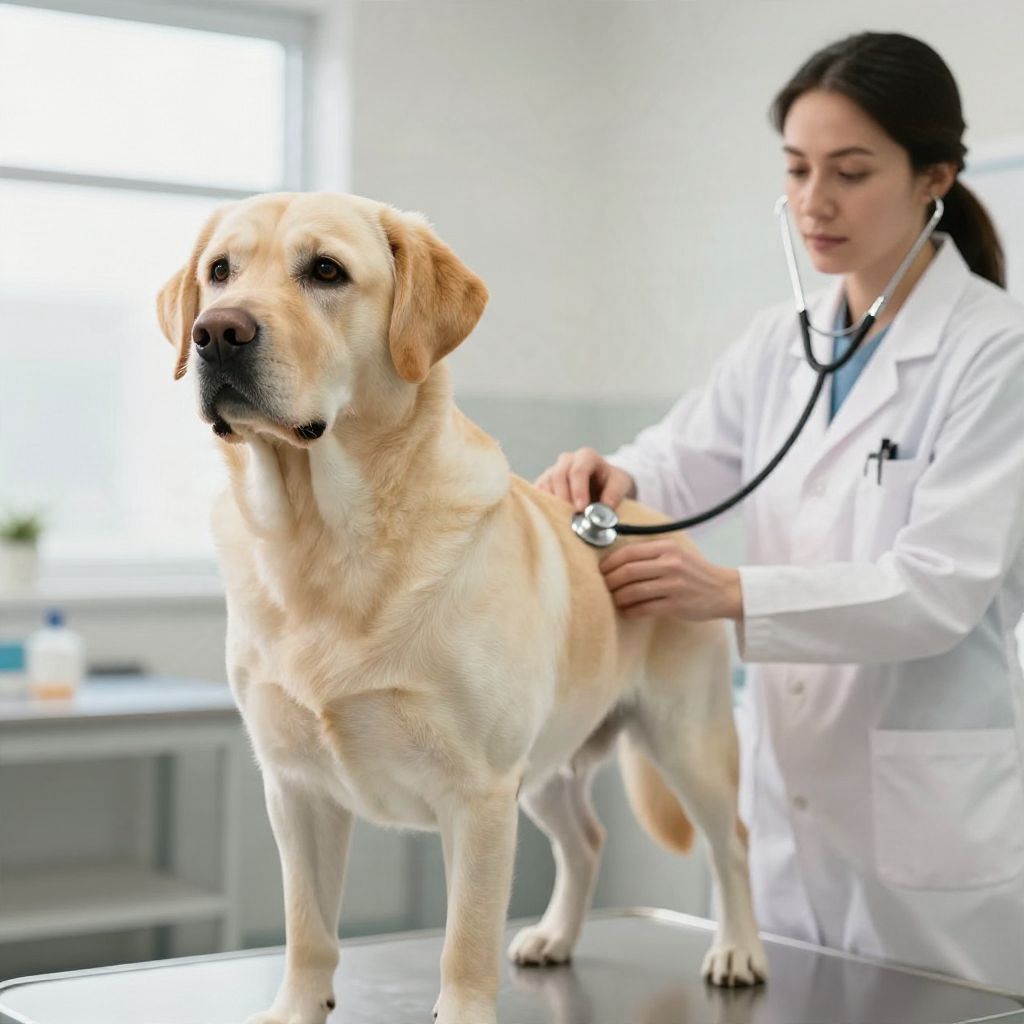
If you’re wondering how to know if my dog is pregnant, the safest answer is that early signs can be subtle and easy to confuse with other changes. A veterinarian can confirm pregnancy and help you plan proper care, but you can also watch for common physical and behavior changes at home.
Look for a mix of signs, not just one symptom. Appetite changes, nipple enlargement, mild weight gain, nesting, and reduced activity may happen, but they do not prove pregnancy on their own.
How To Know If My Dog Is Pregnant
The most reliable way to know if your dog is pregnant is a veterinary exam. Early home clues can suggest pregnancy, but only a vet can confirm it with an exam, hormone test, ultrasound, or later imaging. If your dog was in heat and had possible mating, schedule a vet visit as soon as possible.
Step-by-Step: What To Watch For
- Confirm the breeding risk. If your dog recently came into heat and had access to an intact male, pregnancy is possible.
- Track timing. Signs often appear a few weeks after mating, not immediately.
- Watch for body changes. Look for nipple enlargement, slight abdominal rounding, and gradual weight gain.
- Notice behavior shifts. Some dogs become quieter, more affectionate, or less interested in play.
- Call your veterinarian. Ask about the best time for confirmation and next steps.
Common Early Signs of Pregnancy in Dogs
Early pregnancy signs vary from dog to dog. Some dogs show several changes, while others show very few until later in the pregnancy.
Physical changes
- Enlarged nipples or a more noticeable mammary area
- Light weight gain that develops gradually
- Rounder abdomen later in pregnancy
- Clear or mild vaginal discharge can occur, but unusual discharge should be checked by a vet
Behavior changes
- More tired than usual
- Less interest in exercise or rough play
- Changes in appetite, including eating less at first
- Nesting behavior, such as gathering blankets or seeking quiet spaces
- More clingy or, in some dogs, more private behavior
These signs can also happen with false pregnancy, illness, or normal hormonal changes after a heat cycle, so they are not enough to diagnose pregnancy.
When a Vet Can Confirm Pregnancy
Your veterinarian may use different methods depending on how far along your dog may be. The best test depends on timing, your dog’s health, and whether you need confirmation early or later.
- Palpation may be possible in a limited window early in pregnancy, but it should only be done by a vet.
- Ultrasound can often confirm pregnancy earlier and may help assess fetal viability.
- Hormone testing may help in some cases.
- X-rays are usually used later to count puppies and assess size and position.
If you are not sure when mating happened, tell the vet the dates of heat, possible breeding, and any symptoms you’ve noticed.
What Can Look Like Pregnancy But Isn’t
Several conditions can mimic pregnancy, which is why guessing at home can be misleading. A false pregnancy is especially common in dogs after a heat cycle.
- False pregnancy: nesting, swollen mammary glands, milk production, and mothering behavior without actual pregnancy
- Weight gain: from diet, less activity, or other health issues
- Gastrointestinal upset: bloating, reduced appetite, or nausea
- Uterine infection or other reproductive illness
If your dog seems unwell, not just “different,” do not assume she is pregnant. A vet exam is the right next step.
Red Flags That Need Urgent Veterinary Care
Some signs are not normal pregnancy changes and need prompt attention. Do not wait if you notice any of the following:
- Vaginal discharge that is bloody, green, foul-smelling, or heavy
- Repeated vomiting or severe diarrhea
- Marked lethargy, collapse, or weakness
- Abdominal pain, a swollen hard belly, or distress
- Labored breathing
- Fever or obvious signs of illness
- Straining without producing puppies when labor may have started
These signs can indicate complications, infection, or a difficult pregnancy and should be treated as urgent.
How to Care for a Dog You Think May Be Pregnant
Until pregnancy is confirmed, keep care calm, safe, and consistent. Avoid major changes unless your vet recommends them.
Nutrition and feeding
- Feed a complete, balanced dog food unless your veterinarian advises otherwise.
- Do not start supplements or special diets without veterinary guidance.
- If appetite drops, offer smaller meals and monitor closely.
Exercise and activity
- Continue gentle daily walks if she seems comfortable.
- Avoid very rough play, jumping, or intense exercise if she appears tired.
- Let her rest more if needed.
Home environment
- Keep her in a quiet, secure area.
- Reduce stress from unfamiliar dogs or chaotic activity.
- Prepare a calm space in case your vet confirms pregnancy later.
Every dog is different. A young, small, older, or medically fragile dog may need closer monitoring than a healthy adult.
Common Mistakes to Avoid
- Assuming pregnancy based on belly size alone
- Waiting too long to call the vet after a possible mating
- Giving human medications or home remedies
- Overfeeding because you suspect pregnancy
- Ignoring unusual discharge or illness signs
It is better to confirm early than to guess. Early veterinary guidance can also help you plan for prenatal care, delivery, or spay timing if pregnancy is not desired.
What If You Don’t Want a Litter?
If your dog may be pregnant and you do not want puppies, contact your veterinarian quickly. The options depend on how far along she is, her health, and local regulations. Your vet can explain safe, legal choices and help you avoid dangerous do-it-yourself attempts.
Also, if your dog is not intended for breeding, talk with your vet about future prevention. Preventing accidental mating is much easier than managing an unexpected pregnancy.
Practical Timeline for Suspected Pregnancy
- Right after heat or mating risk: note dates and prevent further mating.
- First few weeks: watch for subtle appetite or behavior changes.
- Mid-pregnancy: belly and nipple changes may become more noticeable.
- Later pregnancy: vet may use imaging and help you prepare for whelping.
If you are unsure about the timeline, write down what you observed and bring those notes to the appointment. That information helps your veterinarian judge the best test and timing.
Conclusion
If you want to know how to know if my dog is pregnant, the answer is to look for possible signs but rely on veterinary confirmation. Watch for body and behavior changes, avoid assumptions, and contact your vet promptly for the safest guidance.
If you want more background on related topics, you may also find how to tell if your dog is pregnant and how long a dog bleeds when in heat helpful for understanding timing and signs.