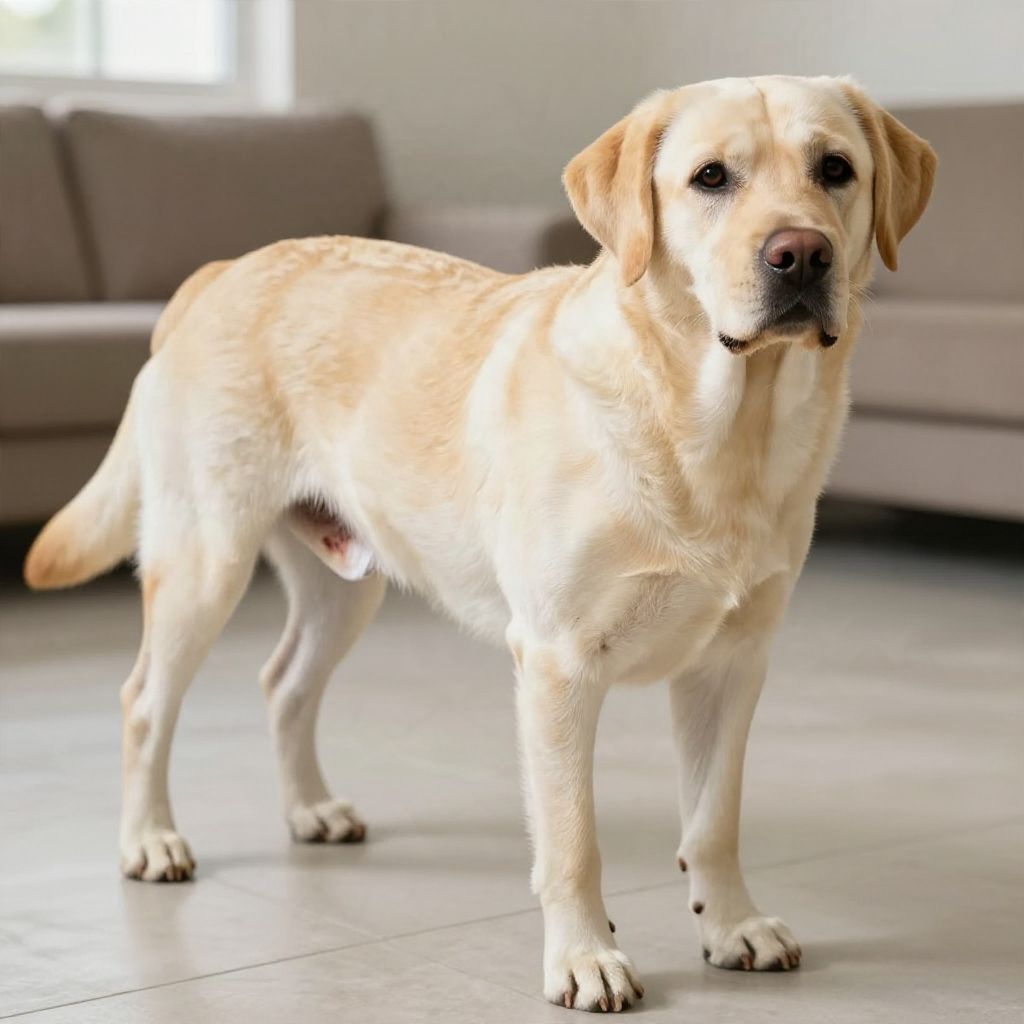
If you’re asking how long a dog bleeds when in heat, the short answer is usually about 7 to 10 days, but it can vary. Some dogs bleed only a few days, while others have spotting for up to 2 weeks or a little longer.
The bleeding is only one part of the heat cycle. Your dog’s behavior, swelling, and fertility timing can change before and after the visible blood, so it helps to know what is normal and when to call your veterinarian.
How Long Does A Dog Bleed When In Heat?
Most dogs bleed during the first part of heat, often for about 1 to 2 weeks. The amount can range from light spotting to a more noticeable discharge. Bleeding usually gets lighter as the cycle progresses, but the exact timeline varies by dog, age, and individual cycle.
What the Heat Cycle Timeline Usually Looks Like
A female dog’s heat cycle is commonly divided into stages. The bleeding you notice happens mainly during the first stage, called proestrus.
1. Proestrus: the bleeding stage
This stage often lasts around 7 to 10 days, though it may be shorter or longer. You may see:
- Swollen vulva
- Bloody or pinkish discharge
- More frequent urination
- Changes in behavior, such as clinginess or irritability
2. Estrus: fertile stage
Bleeding often becomes lighter, straw-colored, or nearly stops. This is when many dogs are most fertile, even if the visible blood is fading.
3. Diestrus and anestrus
After heat ends, discharge should stop. The body then returns to a resting phase until the next cycle, which may be months away.
What Affects How Long a Dog Bleeds?
There is no single normal for every dog. The length and amount of bleeding can vary based on several factors.
- Age: Young dogs may have irregular or unpredictable first cycles.
- Breed and size: Smaller and larger dogs can differ in cycle timing, but individual variation is common.
- Health status: Hormonal or reproductive problems can affect bleeding patterns.
- Spay status and history: An intact dog will cycle; a spayed dog should not have a true heat cycle.
- Individual cycle pattern: Some dogs show obvious bleeding, while others have very light discharge that is easy to miss.
If your dog’s pattern changes suddenly from her usual cycles, that is worth discussing with your vet.
What Is Normal During a Dog’s Heat?
Normal heat signs can include mild behavioral changes and a visible discharge that gradually changes over time. Many dogs are otherwise healthy and active during heat.
Common, usually expected signs include:
- Swollen vulva
- Bloody discharge that becomes lighter with time
- Tail flagging or interest in male dogs
- Restlessness or increased affection
- More frequent marking or urination
Some dogs also seem quieter, more distracted, or less willing to follow normal routines. Others act almost unchanged.
When Bleeding Is Not Normal
Not every vaginal discharge is a normal heat sign. You should contact your veterinarian if the bleeding seems unusual, especially if it does not fit your dog’s typical cycle.
Call your vet promptly if you notice:
- Very heavy bleeding or large clots
- Bleeding that lasts much longer than expected
- Foul-smelling discharge
- Green, yellow, or pus-like discharge
- Marked lethargy, fever, vomiting, or loss of appetite
- Straining, pain, or trouble urinating
- Bleeding after a possible injury or mating accident
Seek urgent veterinary care right away if your dog is weak, collapses, has pale gums, seems in significant pain, or has a swollen abdomen. Those can be signs of a serious emergency, not a normal heat cycle.
How to Care for a Dog in Heat
Most dogs do best with calm, safe management during heat. The goal is to keep her comfortable and prevent unwanted mating.
- Keep her indoors or closely supervised outdoors. Even brief unsupervised time can lead to mating.
- Use a leash on walks. A secure leash and harness help prevent escape.
- Limit dog park visits and off-leash play. Male dogs may be strongly attracted to her.
- Provide washable bedding or dog diapers if needed. These can help manage mess, but they do not prevent mating.
- Maintain normal routines when possible. Gentle exercise, enrichment, and predictable feeding can help her stay settled.
Dog diapers can be useful for household cleanliness, but they must be changed often to reduce skin irritation and hygiene problems.
How to Reduce Mess Without Stressing Your Dog
Bleeding during heat can be messy, but trying to “clean it up” with harsh methods is not a good idea. Avoid anything that could irritate sensitive skin or create stress.
- Use washable blankets or covers on favorite resting spots
- Check bedding regularly for discharge
- Gently wipe the area with a soft, damp cloth if needed
- Keep the vulva area clean and dry without over-washing
If your dog resists cleaning, keep sessions brief and reward calm behavior. If the area looks red, sore, or swollen beyond what you expect, ask your vet for advice.
How Long Does Heat Last Overall?
Bleeding is only part of the full heat cycle. The entire cycle often lasts around 2 to 4 weeks, but the visible bleeding is usually shorter than that. Some dogs may show signs for a longer or shorter time, especially early in life.
It is also important to know that a dog can be fertile before the bleeding fully stops. That means you should assume pregnancy is possible throughout the heat cycle unless your veterinarian tells you otherwise.
How Often Do Dogs Go Into Heat?
Most unspayed dogs go into heat about twice a year, but timing varies. Some dogs cycle more often, some less often, and young dogs may be irregular at first.
If you want a broader overview of cycle timing, you may also find it helpful to read about how often female dogs go into heat.
Common Mistakes Dog Owners Make
Heat can be confusing, especially if it is your dog’s first cycle. A few common mistakes can increase stress or risk.
- Assuming bleeding means the fertile window is over. It may not be.
- Letting her outside unattended. Dogs can escape quickly when in heat.
- Using punishment for behavior changes. Heat-related changes are hormonal, not disobedience.
- Ignoring unusual discharge. Not all vaginal bleeding is normal heat.
- Waiting too long to call the vet. Early guidance can prevent bigger problems.
When to Talk to Your Veterinarian
Contact your veterinarian if you are unsure whether the bleeding is normal, if the cycle seems unusually long or short, or if your dog’s behavior or health changes in a concerning way.
This is especially important if your dog is very young, older, or has a history of reproductive issues. Your vet can help you tell the difference between a normal heat cycle and a problem that needs treatment.
Conclusion
In most dogs, bleeding during heat lasts about 7 to 10 days, though it can range from a few days to around 2 weeks or more. Watch the full pattern, not just the blood, and contact your veterinarian if the discharge is heavy, foul-smelling, prolonged, or paired with illness.
If you want to learn more about heat behavior and cycle changes, you may also find it useful to read about why a girl dog may hump a boy dog.