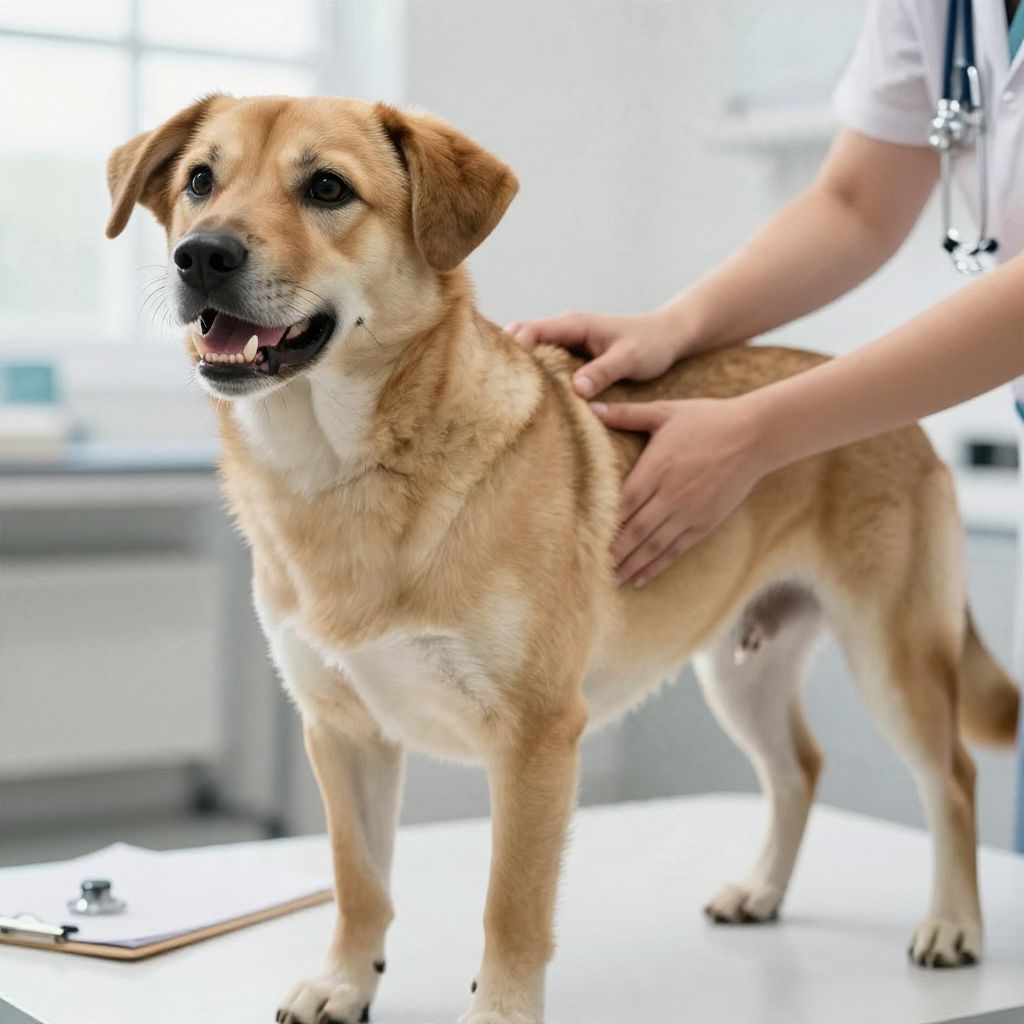
How old is your dog? If you don’t know their history, you can still make a good estimate by looking at teeth, eyes, coat, body condition, and behavior. No single clue gives an exact age, but several together can narrow it down.
This guide shows you how to tell how old a dog is, what signs are most useful, and when a vet can help. It also explains why age estimates are less precise in some dogs than others.
How To Tell How Old A Dog Is
You can estimate a dog’s age by combining physical signs such as teeth wear, eye clarity, coat changes, muscle tone, and activity level. Puppies, adults, and seniors often show different patterns, but breed, size, health, and lifestyle can change how “old” a dog looks, so the best estimate comes from several clues together.
Start With the Teeth
Teeth are often the most useful clue, especially in younger dogs. A veterinarian can usually judge age more accurately from a dental exam than from appearance alone.
What teeth can tell you
- Puppies: Baby teeth appear first, then start falling out as adult teeth come in.
- Young dogs: Adult teeth are usually cleaner, whiter, and less worn.
- Middle-aged dogs: Some tartar, wear, or mild staining may appear.
- Older dogs: Teeth may be worn, heavily stained, missing, or affected by gum disease.
Keep in mind that dental care matters. A young dog with poor oral hygiene can look older, while an older dog with excellent dental care may look younger than expected.
Why teeth are not a perfect clock
- Chewing habits can wear teeth faster.
- Diet and dental care affect tartar buildup.
- Some dogs naturally have crowded or misaligned teeth.
- Dental disease can make a dog seem older than they are.
Check the Eyes, Coat, and Face
As dogs age, their eyes and coat often change, but these signs vary a lot. Some dogs gray early, while others keep a youthful look for years.
Common age-related changes
- Eyes: Older dogs may develop a cloudy or bluish haze, but any eye change should be checked by a vet.
- Coat: Graying around the muzzle and face is common with age.
- Skin and fur: The coat may become drier, thinner, or less glossy.
- Face shape: Muscle loss can make the face look leaner in senior dogs.
Not every gray muzzle means a dog is old. Stress, genetics, and individual variation can cause early graying in some dogs.
Look at Body Condition and Muscle Tone
Age can affect how a dog carries weight and how much muscle they have, especially if activity drops over time. This is helpful, but it can also reflect diet, illness, or exercise habits rather than age alone.
What to notice
- Puppies and adolescents: Often have a lean, awkward, rapidly changing body shape.
- Adults: Usually have more stable muscle and body proportions.
- Older dogs: May lose muscle over the shoulders, hips, or thighs.
If your dog seems thin, weak, or suddenly less active, don’t assume it is just aging. A vet visit is important because weight loss, pain, and illness can look like “old age.”
Watch Movement and Energy Level
How a dog moves can offer clues, but it is not a reliable age test by itself. A young dog with joint problems may move like a senior, while an older dog in good health may still be lively.
Typical patterns you might notice
- Puppies: Bursts of energy, clumsy movement, lots of rest between play sessions.
- Adults: More coordinated movement and steadier endurance.
- Seniors: Slower rising, stiffness after rest, shorter play sessions, or more naps.
Stiffness, limping, trouble jumping, or reluctance to climb stairs can be signs of pain, arthritis, or injury. Those signs deserve veterinary attention even if your dog is not very old.
Consider Breed, Size, and Individual History
Age clues are easier to interpret when you know the dog’s general background. Small, medium, and large dogs often age differently, but there is plenty of overlap between individuals.
Why size matters
- Smaller dogs often keep youthful features longer.
- Larger dogs may show joint wear or graying earlier.
- Very active dogs may develop wear and tear sooner.
- Dogs with medical issues can look older than their actual age.
Breed tendencies can help you think about likely aging patterns, but they are not guarantees. A mixed-breed dog may age differently depending on genetics, body size, and lifestyle.
Use Behavior and Training History as Clues
Behavior can hint at age, especially in puppies and adolescents, but it is influenced by training, socialization, and temperament. A calm dog is not always older, and a bouncy dog is not always young.
Age-related behavior patterns
- Puppies: Short attention spans, frequent chewing, lots of exploration, and inconsistent bladder control.
- Adolescents: More independence, testing boundaries, and high energy.
- Adults: More predictable routines and better impulse control.
- Seniors: May sleep more, seek comfort, or become less tolerant of intense activity.
Sudden behavior changes are not normal aging. If your dog becomes confused, anxious, withdrawn, or unusually restless, talk to a veterinarian because pain or illness may be involved.
A Step-by-Step Way to Estimate Age
If you want a practical method for how to tell how old a dog is, use several signs together instead of relying on one feature.
- Look at the teeth for eruption, wear, tartar, and missing teeth.
- Check the eyes for clarity or cloudiness.
- Inspect the coat for graying, thinning, or dryness.
- Watch how the dog stands, walks, runs, and rises from rest.
- Notice energy level, play style, and attention span.
- Compare these clues with the dog’s size and likely breed mix.
- Ask a veterinarian to refine the estimate if you need a better age range.
This approach usually gives you a rough range such as puppy, young adult, mature adult, or senior, rather than an exact birthday.
How Vets Estimate Age More Accurately
A veterinarian can combine a physical exam with dental findings and overall body condition to give a more informed estimate. In some cases, they may also consider joint health, reproductive status, and medical history if available.
What a vet may look for
- Tooth eruption and wear patterns
- Gum health and tartar buildup
- Muscle loss or joint stiffness
- Eye changes
- General body condition and coat quality
If you adopted a dog with no records, a vet estimate is often the best place to start for vaccination timing, nutrition, exercise planning, and preventive care.
Common Mistakes When Guessing a Dog’s Age
Many people overestimate or underestimate age by focusing on one visible trait. That can lead to wrong assumptions about exercise, food, or medical needs.
Avoid these mistakes
- Assuming all gray-faced dogs are seniors.
- Assuming a playful dog must be young.
- Using tooth color alone without checking wear and gum health.
- Ignoring pain or stiffness and calling it “just aging.”
- Treating breed stereotypes as exact age markers.
Age estimation is especially difficult in dogs with prior neglect, dental disease, obesity, or chronic illness because those factors can make them appear older.
When Age Matters for Care
Knowing your dog’s likely age helps you choose the right food, exercise level, and preventive care. Puppies, adults, and seniors have different needs, but those needs should still be tailored to the individual dog.
General care by life stage
- Puppies: Frequent meals, gentle socialization, potty training, and safe chew toys.
- Adults: Regular exercise, weight control, dental care, and routine vet visits.
- Seniors: Comfortable bedding, joint-friendly activity, closer monitoring, and more frequent health checks.
If you are unsure whether your dog is a mature adult or a senior, it can help to read more about when a dog is considered a senior and how aging can vary between dogs.
When to See a Veterinarian Right Away
Some signs that look like aging can actually point to a medical problem. Do not wait if you notice sudden or severe changes.
Get urgent veterinary care if your dog has:
- Sudden weakness or collapse
- Difficulty breathing
- Severe pain or inability to stand
- Sudden confusion or disorientation
- Rapid swelling, bleeding, or trauma
- Refusal to eat or drink for more than a short period, especially with other symptoms
- Eye pain, sudden cloudiness, or vision changes
Call your vet promptly for gradual changes too, such as stiffness, weight loss, bad breath, increased drinking, or a noticeable drop in energy.
Conclusion
To tell how old a dog is, look at the whole picture: teeth, eyes, coat, body condition, movement, and behavior. The best estimate usually comes from combining several clues and confirming them with a veterinarian. If you want a deeper look at aging patterns, you may also find how dogs age helpful for understanding what changes are normal over time.