
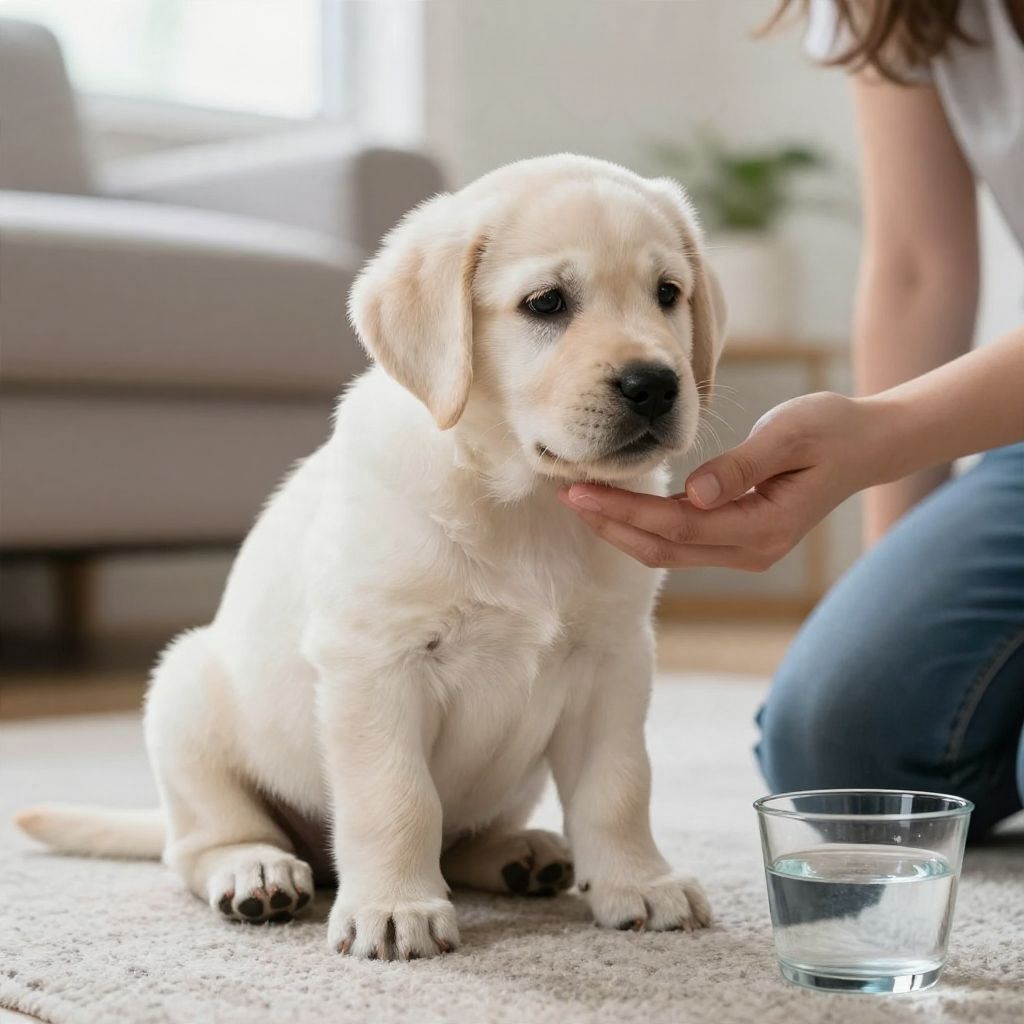
Why does my puppy have hiccups? In most cases, puppy hiccups are harmless and happen when your puppy eats, drinks, plays, or gets excited too quickly. The diaphragm briefly spasms, causing the familiar hiccup sound.
They usually pass on their own. But if hiccups are frequent, last a long time, or come with other symptoms, it can point to a problem that needs a veterinarian’s attention.
Why does my puppy have hiccups?
Puppy hiccups are usually caused by a temporary diaphragm spasm, often after fast eating, gulping water, excitement, or overexertion. Most episodes are short and harmless. If hiccups are persistent, painful, or paired with vomiting, coughing, breathing trouble, or lethargy, contact your veterinarian.
Common reasons puppies get hiccups
Young puppies are especially prone to hiccups because their bodies are still developing and they tend to do everything quickly. Many episodes are linked to normal puppy behavior rather than illness.
- Eating too fast: Gulping food can cause air swallowing and diaphragm irritation.
- Drinking quickly: Chugging water may trigger a hiccup spell.
- Excitement or play: Energetic bursts can change breathing patterns.
- Stress or overstimulation: Some puppies hiccup when they are overexcited or anxious.
- Immature nervous system: Puppies may hiccup more than adult dogs because their bodies are still maturing.
Breed, size, and personality can affect how often you notice hiccups, but any puppy can get them. A small, fast-moving puppy may seem to hiccup more often simply because it eats and plays with more intensity.
What puppy hiccups usually look like
Hiccups often sound like small, repeated “hic” noises or look like brief, rhythmic body jerks. Your puppy may otherwise seem normal, keep playing, or settle down and stop hiccuping within minutes.
Typical hiccups are usually not an emergency. The key is whether your puppy is acting normal overall.
Signs that hiccups are probably harmless
- Your puppy is bright, alert, and comfortable
- Breathing looks normal between hiccups
- Eating and drinking are normal for your puppy
- The episode ends on its own fairly quickly
What you can do at home
In most cases, the best response is to stay calm and let the hiccups pass. Avoid trying to “force” them to stop, and never use rough handling or scare tactics.
- Pause active play for a few minutes.
- Offer a calm, quiet space to settle.
- Make sure fresh water is available, but do not encourage gulping.
- Watch for other symptoms while the hiccups fade.
If your puppy is prone to hiccups after meals, you can also slow down eating by using a puzzle feeder, a slow-feeder bowl, or spreading food in a shallow, puppy-safe feeding dish. These tools can help reduce air swallowing and overexcited mealtimes.
How to reduce hiccups in puppies
You may not be able to prevent every episode, but a few routine changes can make them less frequent. Focus on slowing your puppy down and keeping daily routines calm and predictable.
- Feed smaller, more frequent meals if your veterinarian agrees it suits your puppy’s age and needs.
- Use slow-feeding tools for puppies who inhale their food.
- Keep mealtimes calm and avoid rough play right before or after eating.
- Offer water in sensible amounts rather than letting your puppy gulp a huge amount at once.
- Build in rest breaks during training and play sessions.
Some puppies get hiccups more often when they are overtired. A balanced routine of play, training, potty breaks, and naps can help prevent overexcitement.
When hiccups may signal a health problem
Hiccups alone are usually not worrisome, but they can sometimes happen alongside digestive upset, respiratory irritation, or another illness. You should pay closer attention if the hiccups are new, frequent, or unusually intense.
Call your veterinarian soon if your puppy has:
- Hiccups that happen often or last a long time
- Vomiting or repeated retching
- Diarrhea, poor appetite, or sudden weight loss
- Coughing, wheezing, or noisy breathing
- Signs of pain, restlessness, or unusual fatigue
- A swollen belly or trouble getting comfortable
Because puppies can become dehydrated or weak more quickly than adult dogs, it is better to check with your vet sooner rather than later if something seems off.
Emergency warning signs
Some symptoms need urgent veterinary care right away. Do not wait for the hiccups to stop if your puppy is showing signs of a serious problem.
- Difficulty breathing or open-mouth breathing at rest
- Blue, gray, or very pale gums
- Collapse, extreme weakness, or unresponsiveness
- Repeated vomiting or inability to keep water down
- Severe bloating or a hard, painful abdomen
- Possible toxin exposure or injury
If any of these happen, seek emergency veterinary care immediately. Hiccups may be the least important symptom in a more serious situation.
Common mistakes to avoid
Well-meaning owners sometimes try to stop hiccups in ways that are stressful or unsafe. Puppies do best with calm support and gentle management.
- Do not startle, scare, or punish your puppy.
- Do not force water or food into your puppy’s mouth.
- Do not ignore hiccups if your puppy also seems sick.
- Do not assume every episode is “just hiccups” if the pattern changes.
Reward-based care is the safest approach. If your puppy is overexcited around meals or play, teach calmer routines instead of trying to suppress the hiccups themselves.
How age and development affect puppy hiccups
Very young puppies often hiccup more than adults because their breathing and nervous systems are still developing. As they mature, many puppies naturally outgrow frequent hiccups.
That said, individual puppies vary. Some may hiccup only occasionally, while others seem to get them after almost every meal or play session. The pattern matters more than the occasional episode.
Should you worry if your puppy hiccups every day?
Daily hiccups are not automatically dangerous, especially if they are brief and your puppy otherwise seems healthy. Still, frequent hiccups are worth discussing with your veterinarian if they are new, worsening, or tied to other symptoms.
Your vet may ask about feeding habits, energy level, vomiting, coughing, stool changes, and whether the hiccups happen after eating or excitement. That information helps determine whether the issue is routine or needs further evaluation.
Practical feeding and play tips
A few simple habits can make a big difference for puppies that hiccup often.
- Use a slow-feeder bowl if your puppy gulps food.
- Keep play sessions short enough to avoid breathlessness.
- Allow a quiet rest period after meals.
- Train calm behaviors like settling on a mat or lying down.
- Watch for patterns, such as hiccups after excitement, treats, or drinking.
If your puppy is still very young, ask your veterinarian whether the current feeding schedule and food type are appropriate for growth. Puppies have different nutritional needs than adult dogs, and meal structure can affect digestion and comfort.
When to ask for professional help
If you are unsure whether your puppy’s hiccups are normal, a veterinary exam is the safest next step. This is especially important if your puppy is very young, has a medical condition, or has other signs of illness.
A certified trainer or behavior professional can also help if excitement, frantic eating, or stress seems to trigger the hiccups. They can show you how to build calmer routines using humane, reward-based methods.
If you want to read more about related puppy health concerns, you may also find why puppies get hiccups and why a puppy may be throwing up helpful.
In most cases, puppy hiccups are normal and temporary. Watch your puppy’s overall behavior, slow down meals and play if needed, and contact your veterinarian promptly if the hiccups are frequent, prolonged, or paired with any warning signs.