
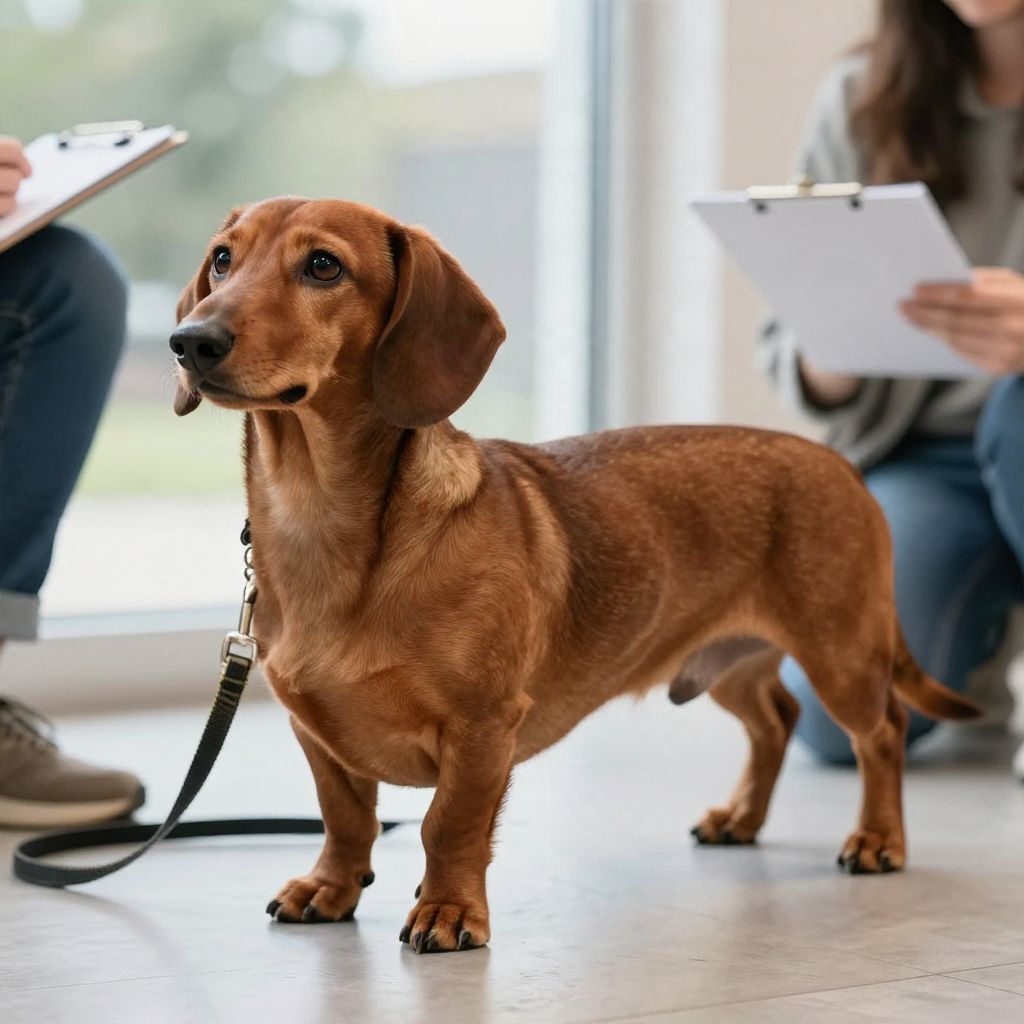
If you’re asking how much is a Dachshund, the answer depends on whether you want a puppy or an adult, and whether you’re buying from a breeder, adopting, or paying for a dog with special traits. The purchase price is only part of the cost.
You should also budget for food, vet care, grooming, training, supplies, and possible breed-related health needs. A low upfront price can still lead to higher long-term expenses.
How much is a Dachshund?
A Dachshund commonly costs a few hundred to several thousand dollars, depending on age, pedigree, coat type, breeder reputation, and location. Adoption is usually less expensive than buying from a breeder, but the total lifetime cost can be similar once veterinary care, supplies, and routine maintenance are included.
What affects the price of a Dachshund?
Several factors can change the price you pay. Some are about the dog itself, while others reflect the seller’s costs and the local market.
- Source: Adoption fees are usually lower than breeder prices.
- Age: Puppies often cost more than adults.
- Coat type: Smooth, longhaired, and wirehaired Dachshunds may be priced differently.
- Size variety: Some sellers charge more for smaller or rarer-looking dogs, though size should never be the only buying factor.
- Color and markings: Unusual colors can raise prices, but appearance should not outweigh health and temperament.
- Pedigree and registration: Show-quality or registered dogs often cost more.
- Health testing: Responsible breeding practices can increase the price, but they may reduce risk later.
- Geographic area: Prices vary by region and demand.
How much do Dachshund puppies cost?
Dachshund puppies usually cost more than adult dogs because they are in high demand and require more early care from the breeder. The price can rise if the puppy comes from a well-established breeder who performs health screening, provides early socialization, and offers documentation. Be cautious of unusually cheap puppies, especially if the seller cannot answer health questions clearly.
Is adoption cheaper than buying from a breeder?
Usually, yes. Adoption fees are often lower than breeder prices and may include vaccinations, spay or neuter surgery, and microchipping. Still, adoption is not “free,” and you should expect the same ongoing costs for food, training, and veterinary care.
Adoption can be a great option if you want to give a dog a second chance, but it may also mean you get less information about the dog’s background. Ask about behavior, medical history, and any known needs before you decide.
What should you budget beyond the purchase price?
The real question is not only how much is a Dachshund, but how much it costs to care for one well. A dog’s first year and each following year both come with predictable expenses.
Common startup costs
- Food and water bowls
- Leash, harness, and collar
- Crate or bed
- Dog-safe toys and chews
- Initial veterinary exam
- Vaccinations and parasite prevention
- Microchip and registration
- Grooming tools
Ongoing costs
- High-quality food
- Routine vet visits
- Parasite prevention
- Grooming and nail care
- Training classes or private help if needed
- Pet insurance or emergency savings
Dachshunds are small, but small dogs still need consistent care. Their size may lower some food costs, but it does not eliminate the need for preventive medicine or emergency planning.
Why health matters when comparing Dachshund prices
A cheaper dog can become expensive if it has untreated medical issues. Dachshunds can be prone to certain health concerns, especially back problems, so it is wise to ask about the parents’ health, the puppy’s veterinary records, and any signs of pain or mobility trouble.
When evaluating a breeder or seller, ask for:
- Veterinary records
- Vaccination history
- Deworming information
- Any genetic or orthopedic screening
- Details about the puppy’s diet and routine
- A return policy or contract
If a seller avoids health questions or pressures you to buy quickly, that is a red flag.
How do you tell if a Dachshund price is too low?
A very low price can sometimes mean the dog came from poor breeding conditions, has missing veterinary care, or is being sold by someone who is not being transparent. That does not mean every affordable dog is a problem, but you should investigate carefully.
- Ask why the price is lower than average.
- Request veterinary records and proof of care.
- Meet the puppy or dog in person when possible.
- Look for clean living conditions and calm handling.
- Walk away if the seller refuses basic questions.
What about adult Dachshunds?
Adult Dachshunds may cost less than puppies, and they can be a good fit if you want a dog with a more established personality. Some adults are already house-trained or past the most intense puppy stage, which can make them easier to place into a home.
However, an adult dog may come with unknown habits, medical needs, or training gaps. Ask about behavior around children, other pets, stairs, and alone time, since these details matter more than age alone.
How much does it cost to groom a Dachshund?
Grooming costs depend on coat type. Smooth-coated Dachshunds usually need less coat maintenance, while longhaired and wirehaired dogs may need more brushing and occasional professional grooming. Even short-coated dogs still need nail trims, ear checks, and regular bathing as needed.
- Smooth coat: Usually the lowest grooming cost.
- Longhaired coat: More brushing and detangling.
- Wirehaired coat: May need more specialized coat care.
Regular grooming also helps you notice skin issues, lumps, ear problems, or discomfort early.
Are there special care costs for Dachshunds?
Yes. Their long backs make it smart to invest in good prevention. You may save money later by using ramps, limiting risky jumping, and maintaining a healthy body condition.
Helpful prevention steps
- Use a harness instead of a neck collar for leash walks.
- Limit jumping on and off furniture.
- Keep your dog lean and active with appropriate exercise.
- Choose low-impact play.
- Watch for signs of back pain or weakness.
If your Dachshund suddenly cries out, refuses to move, drags limbs, or seems weak in the back end, contact a veterinarian urgently. Back pain can become an emergency.
How can you avoid overpaying for a Dachshund?
The best way to avoid overpaying is to compare more than one option and focus on value, not just the sticker price. A responsible breeder or rescue that provides health information, good socialization, and honest answers may be worth more than a cheaper source with unknown risks.
- Compare several sellers or rescues.
- Ask what is included in the price.
- Check whether vaccinations, microchipping, or spay/neuter are included.
- Review health guarantees carefully.
- Do not pay extra just for rare marketing claims without proof of health or temperament.
When should you talk to a veterinarian before buying?
It is wise to speak with a veterinarian before bringing a Dachshund home if you have concerns about an existing medical issue, a very young puppy, or a dog with limited records. A vet can help you understand likely startup costs and any breed-related care needs.
You should also get veterinary help quickly if a new Dachshund shows vomiting, diarrhea that does not resolve, trouble breathing, collapse, severe lethargy, inability to urinate, or sudden pain. Those signs need prompt attention.
Bottom line: how much is a Dachshund?
How much is a Dachshund depends on age, source, coat, and health history, but the purchase price is only the beginning. Plan for veterinary care, supplies, training, grooming, and long-term health costs so you can give your dog the care it needs. If you want to compare options, it can help to read more about how much Dachshund puppies cost and the broader factors behind Dachshund pricing.