
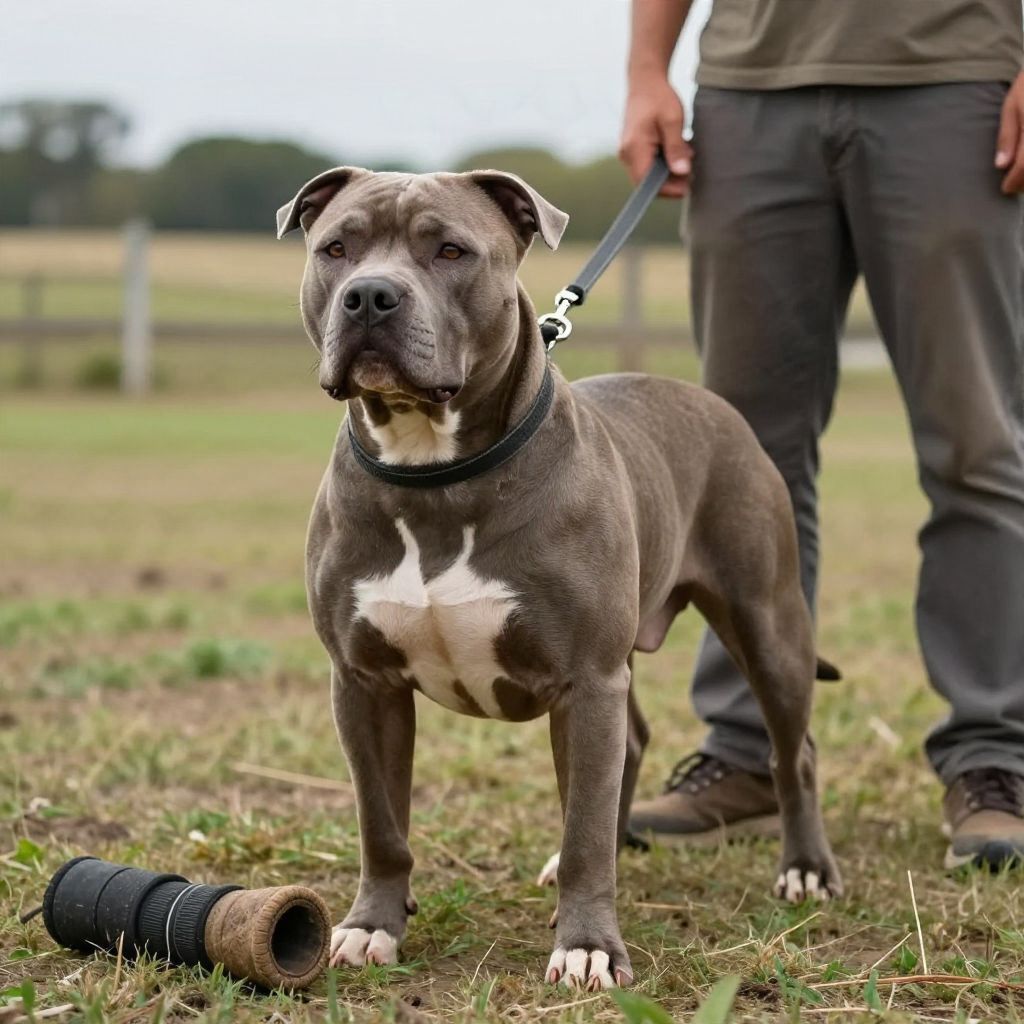
If you’re asking what pitbulls were originally bred for, the short answer is that early “pit bull” type dogs were developed for blood sports such as bull-baiting and, later, dog fighting. That history does not define every individual dog today, but it does help explain why some dogs in this group may be strong, energetic, and people-focused.
Understanding that background can help you choose better training, exercise, and socialization strategies. It also reminds you to judge each dog as an individual, not by stereotypes.
What were pitbulls originally bred for?
Pitbull-type dogs were originally bred from bulldog and terrier lines for bull-baiting and later dog fighting. Modern pitbull-type dogs are not one single breed, and many are affectionate family dogs. Their history can influence energy, strength, and drive, but training and socialization shape behavior far more than ancestry alone.
What “pitbull” means today
“Pitbull” is a broad label, not a single official breed. People often use it to describe dogs such as the American Pit Bull Terrier, American Staffordshire Terrier, Staffordshire Bull Terrier, and some mixes with similar build.
Because the term is used loosely, two dogs called “pitbulls” may look alike but have very different backgrounds, temperaments, and needs. That is why it is more useful to focus on the individual dog in front of you.
Why the label can be confusing
- Different registries recognize different breeds.
- Many mixed-breed dogs are called pitbulls based on appearance alone.
- Behavior depends on genetics, early handling, training, health, and life experience.
How their original purpose affects modern dogs
When dogs were selected for intense physical tasks and later fighting, breeders tended to favor strength, stamina, persistence, and a willingness to engage. That does not mean a modern pitbull-type dog is dangerous by nature, but it does mean some dogs may be powerful, enthusiastic, and high-arousal.
In everyday life, that can show up as strong leash pulling, rough play, or difficulty settling without enough structure. Many dogs with this background do very well with clear routines, positive reinforcement, and appropriate outlets for energy.
Typical tendencies you may notice
- High energy and a need for regular exercise
- Strong interest in toys, tug, or interactive play
- People-oriented behavior in many individuals
- Potential dog selectivity in some dogs, especially without early socialization
These are tendencies, not guarantees. A calm, well-socialized pitbull-type dog may be easygoing, while another may need extra management around other dogs or exciting situations.
What this history does not mean
It does not mean every pitbull is aggressive, and it does not mean every pitbull is safe with every dog or every situation. Breed history is only one piece of the puzzle.
Judging a dog by appearance alone can lead to poor decisions. Instead, look at the dog’s behavior, body language, health, and training history.
Better ways to assess the individual dog
- How does the dog respond to strangers, children, and other animals?
- Does the dog recover quickly from excitement or stress?
- Has the dog had positive exposure to different places, sounds, and handling?
- Does the dog have any pain, illness, or past trauma that could affect behavior?
Training tips for pitbull-type dogs
Because many pitbull-type dogs are strong and energetic, training should start early and stay consistent. Reward-based methods usually work best because they build cooperation without increasing stress or conflict.
Focus on skills that make daily life easier: coming when called, walking politely on leash, settling on a mat, and disengaging from distractions. Short, frequent sessions are often more effective than long drills.
Helpful training priorities
- Teach impulse control. Practice sit, wait, leave it, and polite greetings.
- Reward calm behavior. Reinforce lying down, relaxing, and choosing to disengage.
- Use management tools. Gates, crates, and leashes help prevent rehearsing unwanted behavior.
- Build reliable recall. This is especially important for safety outdoors.
- Keep sessions short and positive. End before your dog gets frustrated.
Avoid punishment-based methods, intimidation, or “dominance” approaches. These can damage trust and may increase fear or defensive behavior.
Exercise and enrichment needs
Many pitbull-type dogs need more than a quick walk around the block. They often do best with a mix of physical exercise, mental work, and structured play.
The right amount varies by age, health, and individual temperament. A young, healthy dog may need much more activity than an older dog or one recovering from injury.
Good outlets for energy
- Brisk walks with sniffing time
- Fetch or tug with clear rules
- Food puzzles and scatter feeding
- Basic obedience games
- Controlled play with compatible dogs, if your dog enjoys it
If your dog becomes overexcited, more exercise is not always the answer. Some dogs need better rest routines, calmer enrichment, or help learning how to settle.
Socialization: especially important, but not a guarantee
Early, positive socialization helps any puppy grow into a more adaptable adult. For pitbull-type dogs, it can be especially useful because some individuals may be strong, energetic, and selective about other dogs.
Socialization should be gradual and positive, not overwhelming. The goal is comfort and confidence, not forcing your dog to interact with every person or animal.
Safe socialization ideas
- Introduce new people calmly, one at a time
- Expose your dog to different surfaces, sounds, and environments
- Pair new experiences with treats and praise
- Watch for stress signals such as stiff posture, lip licking, or avoidance
If your dog is already reactive, fearful, or overly aroused, work with a qualified trainer or veterinary behaviorist. Pushing too fast can make the problem worse.
Safety at home and outdoors
Because some pitbull-type dogs are strong and athletic, safety planning matters. Good management protects your dog, other animals, and the people around you.
This is not about assuming the worst. It is about preventing accidents and giving your dog clear, predictable boundaries.
Practical safety steps
- Use a secure leash and well-fitted harness for walks if your dog pulls.
- Check fences, gates, and doors for escape risks.
- Supervise introductions with unfamiliar dogs.
- Separate dogs during feeding if tension exists.
- Provide a quiet resting space where your dog can decompress.
If your dog has a history of conflict with other dogs, do not rely on “letting them work it out.” Careful management and professional guidance are safer.
Common mistakes owners make
One common mistake is assuming breed history explains everything. Another is expecting a strong, energetic dog to behave well without enough training and structure.
Some owners also under-socialize puppies, use harsh corrections, or allow rough play to escalate. Those choices can create avoidable behavior problems.
Try to avoid these errors
- Skipping early training because the puppy is “too young”
- Using punishment instead of teaching desired behavior
- Ignoring signs of fear, stress, or pain
- Overexercising a young puppy or injured dog
- Forcing dog-to-dog interactions
When to ask a veterinarian or behavior professional for help
If your dog’s behavior changes suddenly, a medical issue may be involved. Pain, skin disease, orthopedic problems, ear infections, or other illnesses can make dogs irritable or reactive.
Contact your veterinarian if you notice sudden aggression, lethargy, limping, trouble rising, appetite changes, or repeated hiding. If your dog has severe behavior issues, seek a certified trainer using reward-based methods or a veterinary behaviorist.
Urgent red flags
- Sudden, severe aggression or panic
- Injury after a fight or rough play
- Difficulty breathing, collapse, or extreme weakness
- Signs of significant pain, such as crying, limping, or refusing to move
What to remember about pitbulls today
So, what were pitbulls originally bred for? Their early history was tied to blood sports, but that history does not determine the future of every dog with a pitbull label. Many are loving, trainable companions when they receive thoughtful care, structure, and humane training.
Focus on the individual dog, not the stereotype. If you want more background on breed labels, you may also find what breed is a pibble helpful.