
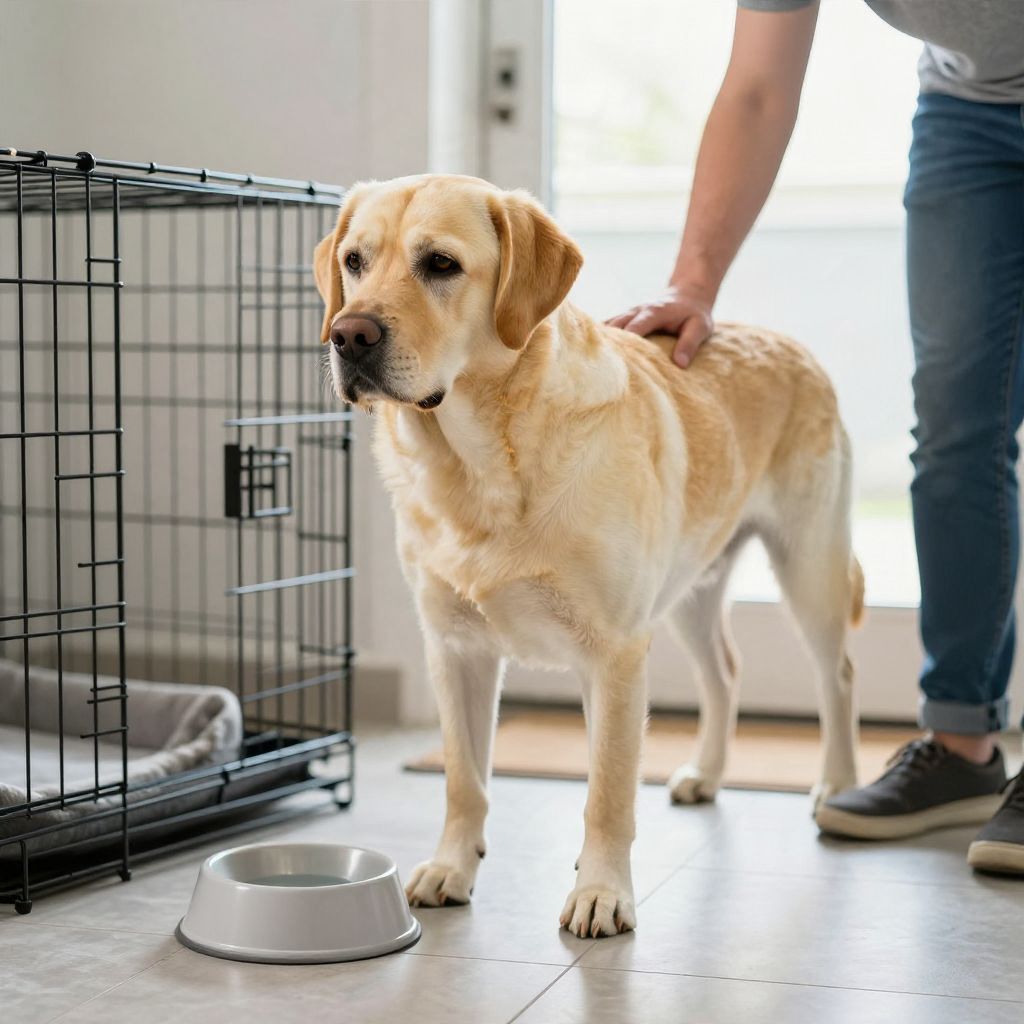
If your dog has diarrhea, start by checking how they seem overall. A single loose stool in an otherwise bright, eating dog is often less urgent than diarrhea with vomiting, weakness, blood, pain, or repeated accidents.
Most mild cases improve with rest, careful feeding, and close observation, but diarrhea can also signal infection, parasites, dietary upset, toxin exposure, or another medical problem. Knowing what to watch for helps you decide when home care is reasonable and when to call a veterinarian right away.
What To Do If My Dog Has Diarrhea?
Keep your dog comfortable, offer fresh water, and monitor for red flags. If your dog is acting normal and the diarrhea is mild, contact your vet for guidance and consider a short period of bland, easily digested food if your veterinarian says it is appropriate. Seek urgent care for blood, repeated vomiting, lethargy, pain, dehydration, or diarrhea that is severe or persistent.
First steps to take at home
The safest first response is to slow things down and observe. Diarrhea can pass quickly, but it can also become dangerous if your dog loses too much fluid or if the cause is more serious than a simple stomach upset.
- Make sure fresh water is always available. Encourage small, frequent drinks if your dog is willing.
- Remove access to trash, table scraps, compost, and outdoor debris. Many cases start with something the dog ate.
- Keep your dog on a leash or in a confined area. This makes it easier to monitor stool, appetite, and energy.
- Collect a stool sample if you can do so safely. Your veterinarian may want to test it for parasites or infection.
- Track the details. Note when the diarrhea started, how often it happens, and whether you see mucus, blood, or vomiting.
What to feed while you are waiting
Feeding advice can vary by dog, age, and health history, so it is best to ask your veterinarian what they recommend for your pet. Some dogs with mild diarrhea do well on a temporary bland, easily digestible diet, but others need a different plan, especially if they are puppies, seniors, or have chronic disease.
Do not force food if your dog is nauseated or vomiting. If your veterinarian advises a diet change, follow their instructions carefully and transition back to the regular food gradually once stools improve.
When diarrhea is an emergency
Some signs mean you should not wait to see if the problem clears on its own. Diarrhea can become urgent very quickly in puppies, toy breeds, seniors, and dogs with other medical conditions because they may dehydrate faster or have less reserve.
- Blood in the stool, especially if it is a lot or the stool looks black and tarry
- Repeated vomiting or inability to keep water down
- Marked lethargy, collapse, weakness, or severe pain
- Swollen abdomen, straining, or signs of distress
- Suspected toxin exposure, including medications, chemicals, spoiled food, or human foods that are unsafe for dogs
- Diarrhea after eating bones, toys, fabric, or other foreign objects
- Signs of dehydration such as dry gums, sunken eyes, or skin that stays tented
- Diarrhea in a very young puppy, especially if it is frequent or accompanied by poor appetite
If you are unsure whether your dog is dehydrated or in pain, call a veterinarian promptly. It is better to get guidance early than to wait until your dog worsens.
Common causes of diarrhea in dogs
There are many possible causes, and the right response depends on the underlying problem. A dog’s age, diet, vaccination status, parasite prevention, and medical history all matter.
Dietary upset
Dogs often get diarrhea after eating something unusual, eating too much, or making a sudden food change. Rich treats, greasy table food, and scavenging can irritate the digestive tract.
Parasites and infections
Intestinal parasites, bacterial infections, and viral illnesses can all cause diarrhea. Puppies and dogs with weak immune systems may be at higher risk for complications.
Stress and routine changes
Some dogs develop loose stools during boarding, travel, moving, or schedule changes. Stress can affect digestion, but you should not assume stress is the only cause if symptoms are severe or ongoing.
Food intolerance or chronic digestive disease
Some dogs have recurring diarrhea related to food sensitivity, inflammatory bowel disease, pancreatic problems, or other chronic conditions. These cases often need veterinary testing and a structured treatment plan.
What not to do
Well-meaning home care can sometimes make diarrhea worse or delay needed treatment. Avoid shortcuts that could hide symptoms or add new problems.
- Do not give human medications unless your veterinarian specifically instructs you to do so. Some are dangerous for dogs.
- Do not fast a puppy, toy breed, or medically fragile dog without veterinary advice.
- Do not offer fatty, spicy, or heavily seasoned foods.
- Do not keep changing foods repeatedly. Frequent switches can worsen digestive upset.
- Do not ignore blood, vomiting, or weakness. These can signal a serious problem.
How your vet may evaluate the problem
If the diarrhea does not improve quickly, or if your dog has warning signs, your veterinarian may recommend an exam and diagnostic tests. The exact workup depends on your dog’s age, symptoms, and exposure history.
- Stool testing for parasites or infection
- Physical examination and hydration assessment
- Bloodwork to check organ function, inflammation, or dehydration
- Imaging if a foreign body or other internal problem is suspected
- Diet review to look for triggers or recent changes
Bring a list of foods, treats, supplements, medications, and anything unusual your dog may have eaten. That information can help your vet narrow down the cause faster.
Special considerations for puppies, seniors, and dogs with health problems
Age and health status can change how serious diarrhea is. A healthy adult dog with one loose stool may be fine to monitor briefly, while a puppy or dog with kidney disease, diabetes, or a history of digestive issues may need faster attention.
Puppies
Puppies can dehydrate quickly and are also more vulnerable to parasites and contagious illnesses. If a puppy has diarrhea, especially with vomiting, poor appetite, or low energy, contact a veterinarian the same day.
Senior dogs
Older dogs may have less reserve and may already be managing chronic disease or medications that affect digestion. Even mild diarrhea that keeps returning deserves a veterinary conversation.
Dogs with ongoing medical conditions
If your dog has a known condition, such as pancreatitis, inflammatory bowel disease, liver disease, or a history of food sensitivity, follow your veterinarian’s plan closely. Do not assume the current episode is the same as the last one.
How to help prevent future episodes
You cannot prevent every stomach upset, but you can reduce the chances of repeated diarrhea by keeping your dog’s routine and diet as consistent as possible.
- Introduce new foods gradually.
- Keep garbage, compost, and unsafe foods out of reach.
- Use parasite prevention as recommended by your veterinarian.
- Feed a balanced diet appropriate for your dog’s life stage.
- Limit rich treats and sudden menu changes.
- Schedule regular veterinary care if diarrhea keeps coming back.
When to call the vet even if it seems mild
Call your veterinarian if diarrhea lasts more than a day or two, keeps recurring, or is accompanied by appetite loss, fever, weight loss, or changes in drinking. Persistent diarrhea is not normal and may need testing even if your dog still seems fairly bright.
If you are trying to decide what to do next, it can help to read more practical guidance on how to help a dog with diarrhea and how to stop dog diarrhea.
In short, watch your dog closely, keep water available, avoid risky foods and medicines, and contact a veterinarian promptly if symptoms are severe, persistent, or paired with vomiting, blood, pain, or weakness.