
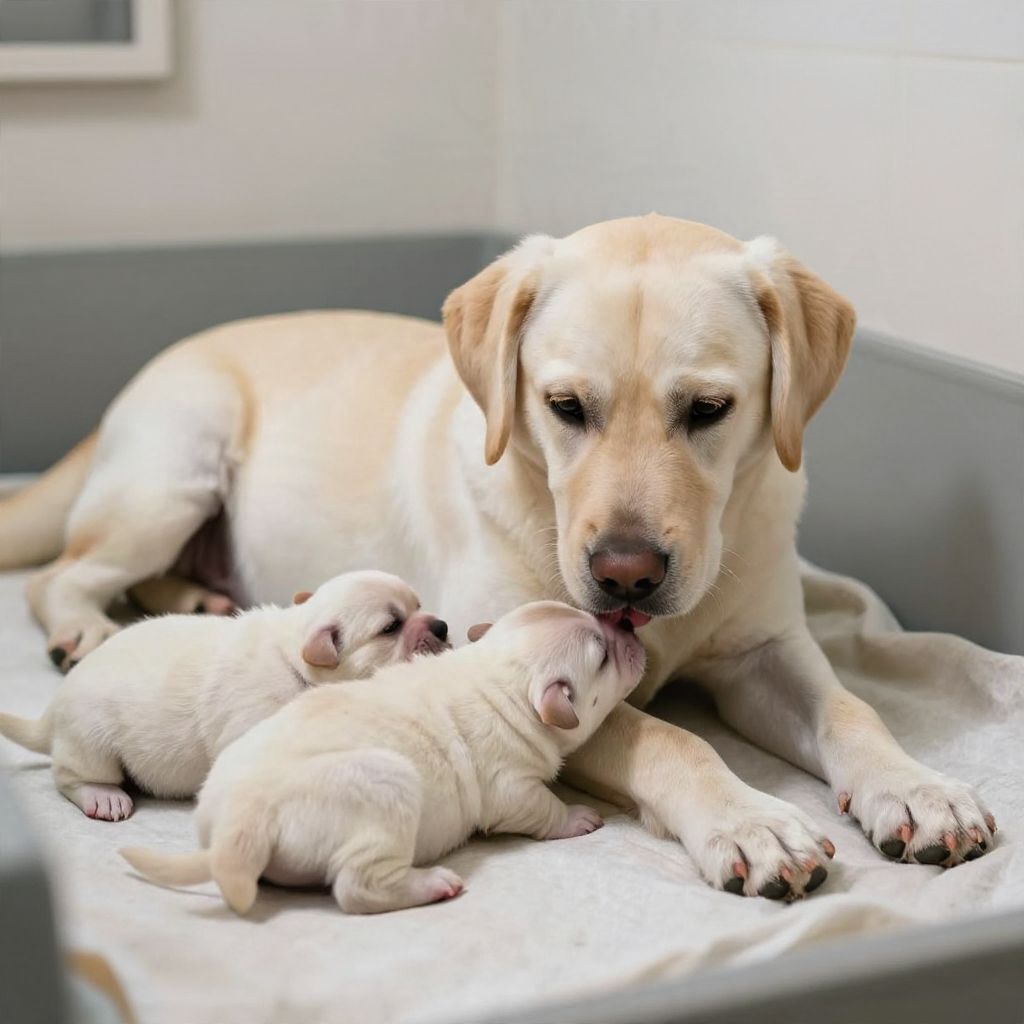
Do dogs eat their babies? It can happen, but it is not normal or common behavior in a healthy, calm mother dog. When it does occur, it is usually linked to stress, illness, inexperience, pain, or a puppy that is stillborn or very weak.
If a mother dog seems agitated, rejects her litter, or is harming puppies, treat it as a serious situation. Quick veterinary guidance and careful management can protect both the dam and the newborns.
Do dogs eat their babies?
Yes, a mother dog may sometimes injure, kill, or even consume a puppy, but this is usually tied to distress, illness, fear, or a puppy that is already not viable. It is not typical maternal behavior, and it should be treated as an urgent welfare problem requiring close observation and veterinary help.
Why would a mother dog do this?
There is no single reason. In most cases, the behavior is related to survival instincts, not cruelty or “bad parenting.”
Common risk factors
- Stress or disturbance during whelping or in the first days after birth
- Pain or illness in the mother, including fever, mastitis, uterine problems, or weakness after delivery
- Inexperience in a first-time mother who is unsure how to care for the litter
- Weak, stillborn, or sick puppies that the mother may reject
- Environmental pressure such as noise, frequent handling, crowding, or lack of privacy
- Severe nutritional or hydration problems that leave the mother exhausted
Some dogs are naturally more protective or more anxious than others, but breed alone does not determine what will happen. Individual temperament, health, and the birthing environment matter much more than stereotypes.
What is normal mother-dog behavior after birth?
A healthy mother usually licks her puppies, cleans them, keeps them warm, nurses them, and stays attentive. She may move them, count them, or rearrange them as part of normal maternal care. Brief restlessness can be normal, but repeated rejection, rough handling, or aggression is not.
Normal signs
- Cleaning puppies right after birth
- Allowing puppies to nurse
- Settling in with the litter and staying nearby
- Protective but not frantic behavior
Warning signs
- Growling, snapping, or biting at puppies
- Refusing to lie down and nurse
- Ignoring crying puppies for long periods
- Dragging or roughly carrying puppies
- Eating placenta and then becoming aggressive or frantic afterward
What should you do if you think a dog may eat her puppies?
Act quickly and calmly. Your goal is to reduce stress, protect the puppies, and get veterinary advice as soon as possible.
- Keep the area quiet and dim. Limit visitors, noise, and unnecessary handling.
- Watch from a distance. Intervene only if the mother is harming a puppy or the puppies are in danger.
- Contact a veterinarian immediately. A postpartum health problem can be life-threatening.
- Check whether puppies are warm and nursing. Newborns can deteriorate very quickly if chilled.
- Be ready to separate a dangerous mother briefly if a puppy is at immediate risk, while keeping puppies warm and safe.
If a puppy is injured, cold, not breathing well, or the mother is actively attacking the litter, this is an emergency. Seek urgent veterinary care right away.
When is it an emergency?
Some situations need immediate professional help, not watchful waiting.
- Mother dog attacks or repeatedly mouths puppies
- Any puppy is bleeding, limp, cold, or unresponsive
- The mother has fever, foul discharge, severe lethargy, collapse, or tremors
- Puppies are crying nonstop and failing to nurse
- The mother seems confused, disoriented, or painful
These signs can point to infection, low calcium, retained placenta, uterine disease, or another postpartum complication. A veterinarian should assess the mother and puppies promptly.
How to protect newborn puppies safely
Newborn puppies are fragile. Good supervision and a stable environment make a major difference.
Helpful safety steps
- Provide a quiet, warm, draft-free whelping area
- Keep the mother’s food, water, and bedding close by
- Use gentle handling only when needed
- Weigh puppies daily if your veterinarian recommends it
- Watch that each puppy is nursing and staying warm
- Separate other pets and children from the area
If the mother is too anxious or unsafe with the litter, your veterinarian may advise supervised nursing, temporary separation, or hand-rearing support. Do not make major changes without guidance if you are unsure how to keep puppies warm and fed.
Can you prevent this from happening?
You cannot guarantee prevention, but you can lower the risk by preparing well before birth and responding early to warning signs.
Before the litter is born
- Ask your veterinarian about prenatal care and whelping preparation
- Set up a private, familiar nesting area in advance
- Avoid unnecessary stress, travel, and loud activity near the due date
- Know the signs of labor and postpartum complications
After birth
- Keep the mother comfortable, fed, and hydrated
- Minimize handling unless needed for safety
- Monitor the litter closely for nursing, warmth, and weight gain
- Call your veterinarian early if the mother seems unwell or detached
Good management matters more than trying to “train” a mother dog not to do this. Punishment, shouting, or forcing contact can increase stress and may make the problem worse.
What if the mother rejects the puppies but does not attack them?
Rejection can be just as serious as aggression. Puppies that are not nursed or kept warm can become weak very quickly.
If the mother will not settle with the litter, you may need veterinary help to support feeding, warmth, and monitoring. In some cases, a mother may accept some puppies but not others, especially if one is weak or unwell.
Possible reasons for rejection
- Pain after delivery
- Too much disturbance in the nesting area
- Illness or exhaustion
- Inexperience with the litter
- A puppy that is cold, sick, or stillborn
Should you remove the puppies right away?
Only remove puppies if they are in immediate danger or your veterinarian advises it. Sudden separation can stress the mother and may make nursing harder if she is otherwise capable of caring for them.
If you must separate them, keep the puppies warm and get veterinary instructions quickly. Newborns cannot regulate body temperature well, so warmth is a priority.
How a veterinarian can help
A veterinarian can check the mother for pain, infection, low calcium, retained tissue, or other postpartum problems. They can also assess whether the puppies are healthy enough to remain with the dam or need extra support.
Depending on the situation, your vet may recommend observation, treatment for the mother, feeding support for the puppies, or a safer care plan for the litter. If you are unsure whether the behavior is dangerous, it is better to call early.
Common mistakes to avoid
- Assuming the behavior will “just stop” without checking for illness
- Leaving puppies unattended with an aggressive or unstable mother
- Overhandling newborns and increasing stress
- Ignoring weak puppies that are not nursing well
- Using punishment or harsh restraint on the mother
These mistakes can increase risk for both the mother and the litter. Calm supervision and prompt veterinary care are the safest approach.
Bottom line
Do dogs eat their babies? Sometimes, but it is not normal maternal behavior and usually signals stress, illness, or a vulnerable puppy. If you see aggression, rejection, or any sign that the mother or puppies are unwell, contact a veterinarian right away and keep the litter safe, warm, and quiet.
If you want to learn more about related whelping concerns, you may also find why dogs eat their puppies and how many litters a dog can have helpful.