
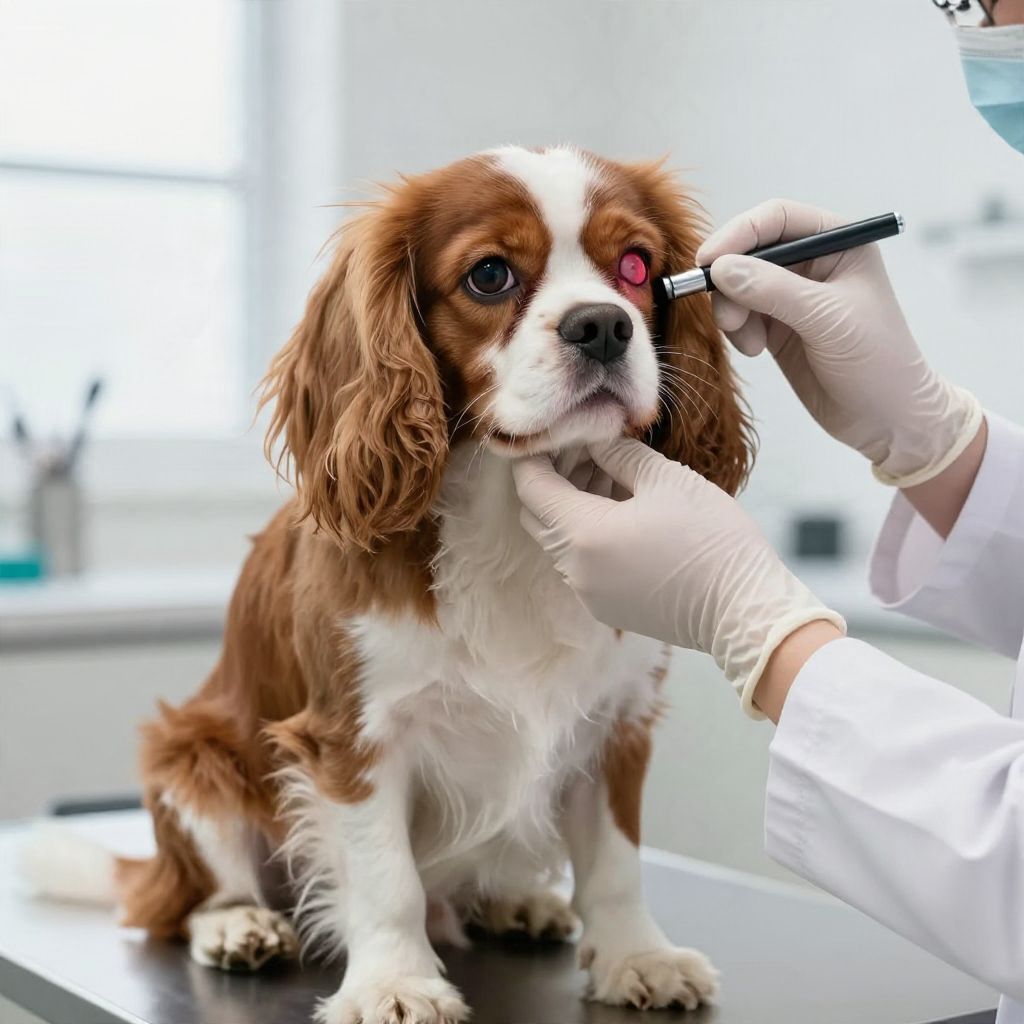
Why is my dogs eye red? A red eye in dogs can come from simple irritation, but it can also signal pain, infection, injury, or a more serious eye disease. Because eye problems can worsen quickly, it is important to watch for other symptoms and act promptly.
Some causes are minor, while others need same-day veterinary care. If your dog is squinting, rubbing the eye, has discharge, cloudiness, swelling, or seems unwell, contact a veterinarian right away.
Why is my dogs eye red?
A red eye in a dog usually means the eye surface or surrounding tissues are inflamed. Common causes include allergies, irritation, a scratch, a foreign body, conjunctivitis, dry eye, or more serious problems such as glaucoma, uveitis, or corneal ulcers. Because some eye conditions can threaten vision, a veterinary exam is often the safest next step.
Common causes of a red eye in dogs
1. Irritation or mild inflammation
Dust, wind, smoke, shampoo, or a small bit of debris can make the eye look red and watery. This may improve quickly if the irritant is removed, but persistent redness should not be ignored.
2. Allergies
Dogs can develop eye redness from environmental allergies, such as pollen, grass, or dust. You may also notice itching, pawing at the face, sneezing, or watery eyes. Allergies often affect both eyes, though not always.
3. Conjunctivitis
Conjunctivitis is inflammation of the tissue around the eye. It can be caused by infection, allergies, irritation, or another underlying problem. Redness, discharge, and swelling are common signs.
4. A scratch or corneal ulcer
A scratch on the eye surface can happen after play, running through brush, or rubbing the eye. Corneal ulcers are painful and may cause squinting, tearing, and sensitivity to light. These need veterinary attention and should not be treated as a minor issue.
5. Foreign body
Grass seeds, dirt, or other small particles can get trapped under the eyelid or on the eye surface. A dog may blink a lot, keep the eye partly closed, or rub the face on furniture or the floor.
6. Dry eye
Some dogs do not make enough tears, which can leave the eye red, sticky, and uncomfortable. Dry eye can become a chronic problem and often needs ongoing veterinary management.
7. More serious eye disease
Glaucoma, uveitis, and other internal eye problems can also cause redness. These conditions may come with pain, cloudiness, a change in pupil size, or vision changes. They require prompt veterinary care to protect sight.
What to look for besides redness
Redness alone does not tell you how serious the problem is. The other signs your dog shows matter just as much.
- Squinting or keeping the eye closed
- Rubbing or pawing at the eye
- Yellow, green, or thick discharge
- Cloudiness or a blue/white haze over the eye
- Swelling around the eyelids
- Unequal pupils
- Light sensitivity
- Sudden clumsiness or bumping into objects
- Redness in one eye only, especially if it appears suddenly
When a red eye is an emergency
Some eye symptoms should be treated as urgent. Do not wait for them to “see if it clears up” at home.
- The eye is suddenly very red and painful
- Your dog cannot open the eye
- The eye looks cloudy, enlarged, or bulging
- There is blood in or around the eye
- Your dog may have been scratched, hit, or exposed to a chemical
- Vision seems affected
- There is severe swelling or thick discharge
- Your dog is also lethargic, feverish, or acting very unwell
These signs can point to a serious injury or disease. Eye problems can progress quickly, so same-day veterinary care is the safest choice.
What you can do at home while you arrange care
Home care should be limited to gentle, safe steps while you contact a veterinarian. The goal is to prevent more irritation, not to treat the cause yourself.
- Keep your dog from rubbing the eye. An Elizabethan collar may help if you already have one.
- Rinse only if your veterinarian has advised it or if you suspect a simple surface irritant and your dog is calm.
- Prevent access to dust, smoke, or windy outdoor conditions.
- Do not let children or other pets poke at the eye.
- Note when the redness started and whether it is one eye or both.
Do not use human eye drops, leftover medications, or random home remedies unless a veterinarian specifically tells you to. Some products can worsen eye damage or mask a serious problem.
What not to do
It is easy to make an eye problem worse without meaning to. Avoid these common mistakes:
- Do not rub the eye or try to “check” it with your fingers
- Do not remove an embedded object yourself
- Do not use contact lens solution or medicated human drops
- Do not wait several days if the redness is persistent or painful
- Do not assume redness is just allergies if there is discharge, squinting, or cloudiness
How veterinarians evaluate a red eye
A veterinarian will look at the eye carefully and may use tests to find the cause. This can include checking tear production, staining the cornea for scratches, measuring eye pressure, and examining the eyelids and surrounding structures.
The exact treatment depends on the diagnosis. A minor irritation may need simple monitoring, while an ulcer, infection, or glaucoma may require urgent and specific care. Because the wrong treatment can delay healing, a proper exam matters.
Does age or breed matter?
Any dog can develop a red eye, but some factors can affect risk. Puppies may injure their eyes during rough play or exploration. Senior dogs may be more prone to dry eye, chronic inflammation, or other health issues. Dogs with prominent eyes or facial folds may be more vulnerable to irritation because debris can reach the eye more easily.
That said, breed tendencies are not guarantees. Your dog’s individual anatomy, health history, and environment matter more than breed alone.
How to help prevent eye problems
You cannot prevent every eye issue, but you can lower the risk with simple habits.
- Keep hair around the eyes trimmed if it tends to poke or trap debris
- Use caution with shampoos, sprays, and grooming products near the face
- Watch for face rubbing after walks in tall grass or dusty areas
- Schedule regular veterinary checkups
- Seek prompt care for any eye injury, even if it seems small
When redness may be linked to another illness
Sometimes a red eye is part of a broader health issue. If your dog also has fever, lethargy, reduced appetite, or breathing changes, the eye problem may not be isolated. In those cases, a vet visit is especially important.
If you are also noticing signs like heavy breathing or unusual body temperature, it can help to learn more about related warning signs such as why dogs breathe heavily and whether dogs can get fevers.
Bottom line
Why is my dogs eye red? It may be something minor, but it can also signal pain, injury, infection, or a vision-threatening emergency. If the redness is mild and brief, monitor closely. If there is squinting, discharge, cloudiness, swelling, or sudden change, contact a veterinarian promptly.