
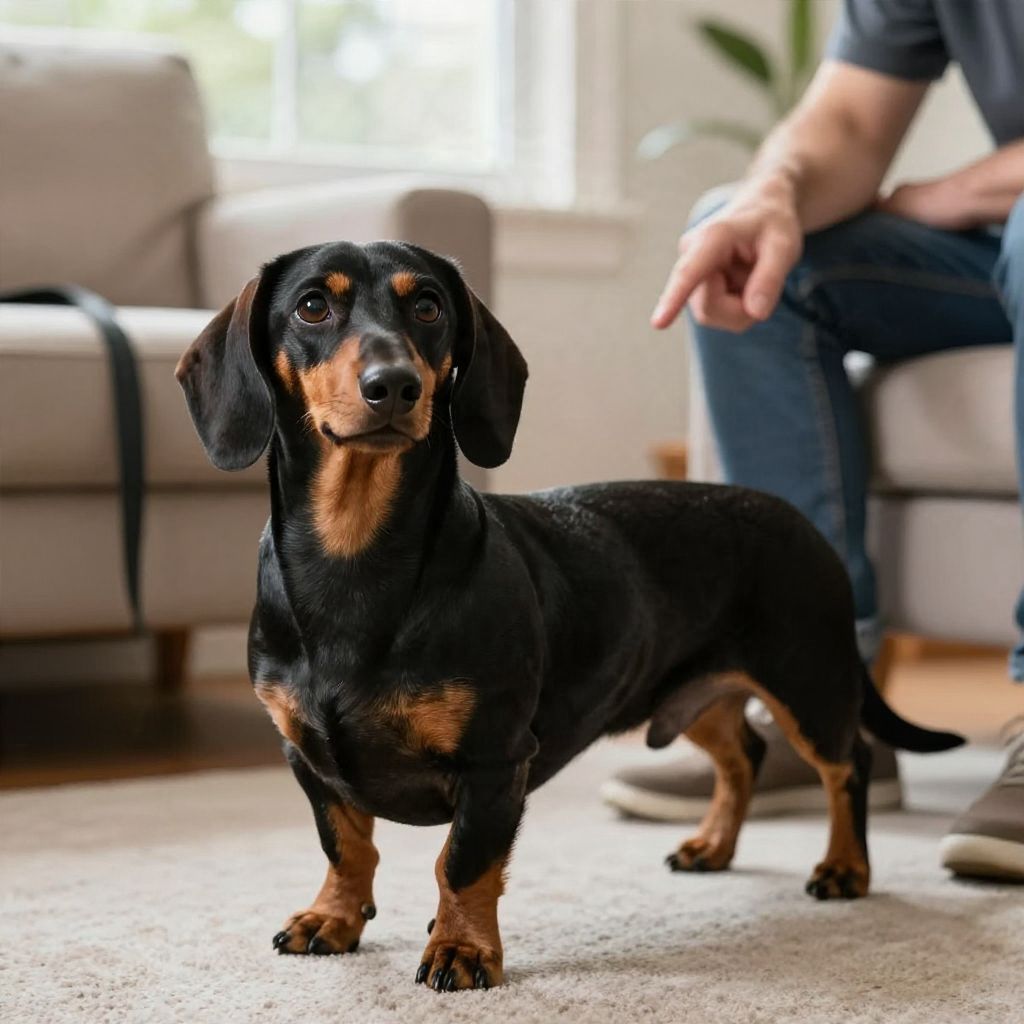
If you’re wondering how do you pronounce dachshund, you’re not alone. This breed’s spelling looks more complicated than the pronunciation, and many dog lovers say it differently at first.
The most common English pronunciation is “DAKS-hund” or “DAKS-hund,” though some people also say “DASH-hund.” Both are widely understood, and the exact sound can vary by region and accent.
How do you pronounce dachshund?
The most common pronunciation of dachshund in English is “DAKS-hund,” with the first syllable sounding like “dacks.” Some people also say “DASH-hund,” and both are generally accepted. If you want to be understood clearly, either version is usually fine.
Why dachshund pronunciation sounds confusing
The spelling comes from a non-English word, so the letters do not match the way many English speakers expect. That is why people often pause, overthink it, or guess a pronunciation that sounds close enough.
It also helps that dog breed names are often borrowed from other languages. When that happens, English speakers may keep the original sound, simplify it, or use a version that becomes common through everyday speech.
Common ways people say it
- DAKS-hund — the most common English form
- DASH-hund — also widely heard
- DAKS-hoont — closer to the original German sound, though less common in everyday English
Which pronunciation should you use?
If you are speaking with other dog owners, a veterinarian, or a breeder, the safest choice is the version that feels most natural to you and is commonly understood where you live. In most settings, “DAKS-hund” will be recognized right away.
If you want to sound especially precise, you can listen to native speakers or breed clubs, but you do not need to stress over a single “perfect” English pronunciation. Clear communication matters more than sounding formal.
What the word dachshund means
The name refers to the breed’s traditional purpose. Dachshunds were developed to work close to the ground, which is why their long body and short legs are so distinctive.
That history matters for dog care because it helps explain some of the breed’s common needs, especially around back health, safe handling, and exercise choices. Not every dachshund is the same, but body structure can influence care.
Helpful dog-care facts for dachshund owners
Pronunciation is the question you came here for, but if you live with a dachshund, a few care basics are worth knowing. Their body shape can make them more vulnerable to strain, so everyday handling matters.
Protect the back and joints
Because of their long spine, many dachshunds benefit from careful management that reduces jumping and twisting. This does not mean they should avoid activity altogether; it means activity should be thoughtful and safe.
- Use ramps or steps for furniture when possible
- Lift your dog with support under the chest and hindquarters
- Discourage repeated jumping on and off high surfaces
- Choose controlled walks and play instead of rough, slippery activity
Watch for signs of pain or mobility trouble
Any dog can develop pain, but a dachshund with back discomfort may show subtle changes first. If you notice stiffness, reluctance to move, yelping, trembling, dragging a limb, or trouble standing, contact your veterinarian promptly.
Seek urgent veterinary care if your dog suddenly cannot walk, seems weak in the back legs, loses bladder or bowel control, or appears severely painful. These can be emergencies.
Keep exercise regular but sensible
Dachshunds usually need daily movement, mental stimulation, and safe play, but the right amount depends on age, health, and personality. A young, healthy dog may enjoy more activity than a senior dog or one with orthopedic concerns.
- Use leash walks for steady exercise
- Try nose work, puzzle toys, and short training sessions
- Break activity into smaller sessions if your dog tires easily
- Avoid forcing exercise when your dog is sore, lame, or recovering
Training tips that work well for many dachshunds
Training should always be based on reward and consistency, not intimidation. Some dachshunds can be independent or easily distracted, but that does not mean they are untrainable. It means your approach should be patient and practical.
Use short, positive sessions
Many dogs learn best when sessions are brief and rewarding. Keep training simple, repeat the behavior you want, and reward success with treats, praise, or play.
- Pick one cue at a time, such as sit or come
- Practice in a quiet space first
- Reward immediately when your dog responds
- Gradually add distractions once the behavior is reliable
Prevent problem behaviors early
Small dogs are sometimes carried more than they are trained, but dachshunds still need manners, structure, and socialization. Early practice can help with barking, leash skills, and handling.
- Reward calm behavior instead of barking for attention
- Teach your dog to accept gentle handling for grooming and vet visits
- Expose puppies gradually to different people, places, and sounds
- Manage habits you do not want to become routine
Grooming and everyday care
Grooming needs vary depending on coat type, but all dachshunds benefit from regular basic care. A smooth-coated dog may need less coat maintenance than a long-haired or wire-haired dog, though every individual is different.
Simple care checklist
- Brush as needed to reduce loose hair and tangles
- Check ears regularly for redness, odor, or debris
- Trim nails before they become overly long
- Brush teeth or use a vet-approved dental routine
- Inspect the skin, paws, and back during grooming
If grooming causes pain, resistance, or sudden sensitivity, that can be a sign of discomfort rather than stubbornness. A veterinarian can help rule out skin, ear, dental, or orthopedic problems.
When pronunciation questions lead to breed questions
People often ask how to pronounce dachshund because they are meeting the breed for the first time, considering adoption, or trying to talk about their own dog more confidently. That is a good moment to learn a little more about the breed’s needs.
Remember that breed descriptions are general patterns, not guarantees. Your dachshund may be energetic, reserved, vocal, affectionate, cautious, or very easygoing. Individual temperament, early experiences, and training all matter.
When to ask a veterinarian or trainer for help
If you are unsure about your dog’s behavior, movement, or comfort level, professional guidance is worthwhile. A veterinarian can check for medical causes, while a qualified positive-reinforcement trainer can help with manners, barking, leash issues, and confidence-building.
Get help sooner rather than later if you notice sudden behavior changes, repeated pain signs, mobility issues, or anxiety that interferes with daily life. Early support is usually easier for both you and your dog.
Common mistakes to avoid
- Assuming all dachshunds need the same care
- Letting your dog jump repeatedly from furniture without support
- Using punishment for barking, fear, or training setbacks
- Ignoring subtle signs of back pain or stiffness
- Skipping routine grooming and dental care
Good care is less about perfection and more about noticing changes early, keeping your dog safe, and building healthy habits.
Final takeaway
So, how do you pronounce dachshund? Most people say “DAKS-hund,” and “DASH-hund” is also commonly understood. Use the version that feels natural, and if you live with a dachshund, focus on safe handling, regular exercise, and prompt attention to any back or mobility concerns.
If you want more breed-name help, you may also find this guide useful: how to spell dachshund correctly.