
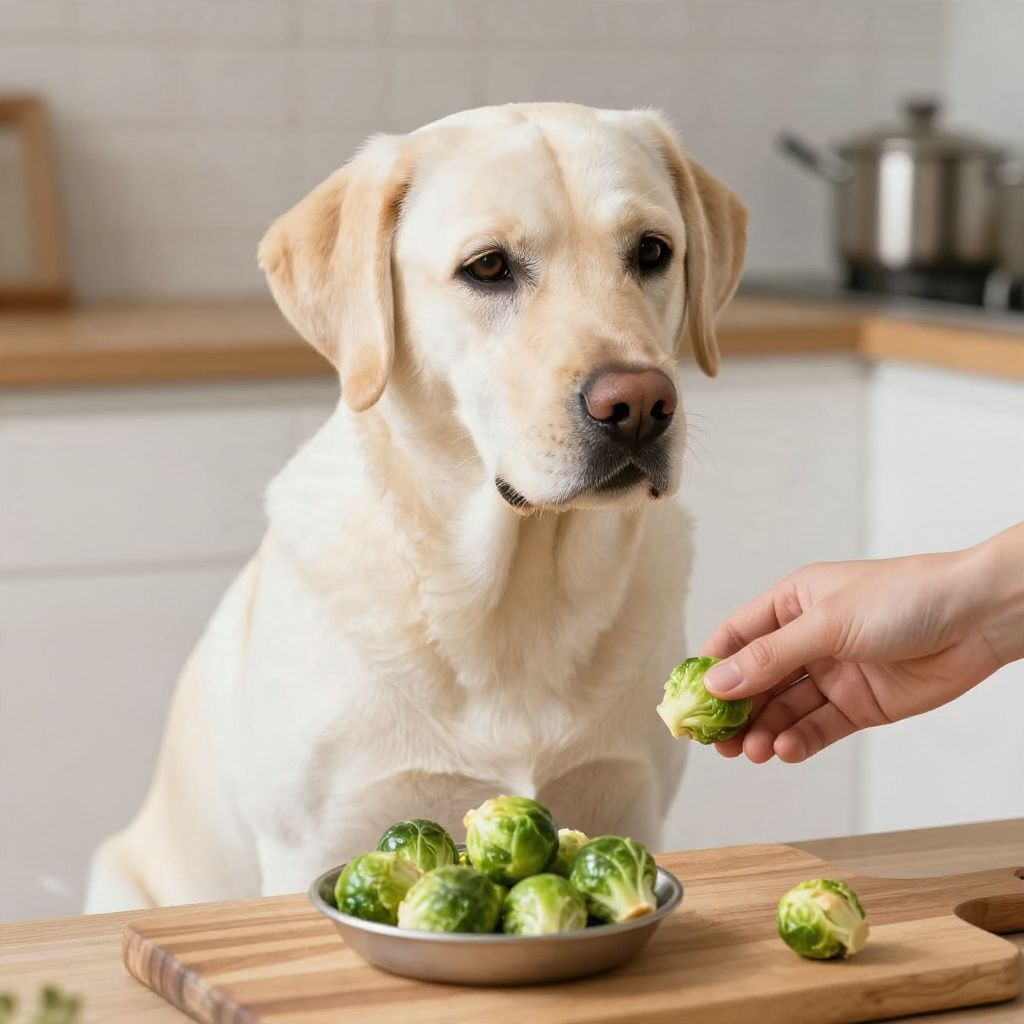
Can dogs eat Brussels sprouts? Yes, most dogs can eat Brussels sprouts in small amounts if they’re prepared plainly and served safely. They can be a low-calorie treat, but too much may cause gas, stomach upset, or choking hazards.
The best approach is to offer them as an occasional snack, not a meal replacement. How you cook, cut, and portion them matters, especially for puppies, small dogs, and dogs with sensitive stomachs or digestive disease.
Can dogs eat Brussels sprouts?
Yes, dogs can eat Brussels sprouts when they are plain, fully washed, and served in small portions. They are not toxic to dogs, but they can cause gas, vomiting, or diarrhea if your dog eats too many. Avoid seasonings, butter, garlic, onion, and heavy oils.
Are Brussels sprouts safe for dogs?
Brussels sprouts are generally safe for healthy dogs as an occasional treat. They contain fiber, vitamins, and antioxidants, but dogs do not need them to meet nutritional needs if they already eat a complete dog food.
Think of Brussels sprouts as a supplement to a balanced diet, not a health cure. Even healthy foods can become a problem when the portion is too large or the preparation is unsafe.
What makes them safe or unsafe?
- Safe: plain, cooked or raw in small pieces, with no seasoning
- Unsafe: sprouts cooked with onion, garlic, butter, salt, bacon, or sauces
- Risky: whole sprouts for small dogs or dogs that gulp food
- Potentially irritating: large amounts, especially for dogs with sensitive digestion
Health benefits of Brussels sprouts for dogs
Brussels sprouts offer some nutrients, including fiber and vitamins, but the benefits are modest for dogs that already eat a complete and balanced diet. They may be a useful low-calorie treat for dogs who need a crunchy snack instead of high-fat table food.
That said, more is not better. Too much fiber can upset the stomach, and some dogs simply do not tolerate cruciferous vegetables well.
Possible benefits
- Low in calories when served plain
- Provides fiber, which may support normal digestion in small amounts
- Contains vitamins and plant compounds found in vegetables
- Can add variety to training treats or enrichment meals
Risks and side effects to watch for
The biggest issue with Brussels sprouts is digestive upset. Gas is common, and some dogs may develop loose stool, abdominal discomfort, or vomiting after eating too many.
Brussels sprouts can also be a choking hazard if they are served whole, especially to small dogs, puppies, or dogs that swallow food quickly.
Common side effects
- Gas and bloating
- Soft stool or diarrhea
- Vomiting
- Reduced appetite for a short time
- Choking or gagging if pieces are too large
When Brussels sprouts may be a bad idea
- Your dog has a history of pancreatitis
- Your dog has inflammatory bowel disease or a sensitive stomach
- Your dog is recovering from gastrointestinal illness
- Your dog tends to gulp food without chewing
- Your dog needs a low-fiber diet recommended by a veterinarian
Can dogs eat raw Brussels sprouts?
Dogs can eat raw Brussels sprouts in small amounts, but raw pieces may be harder to digest and can cause more gas. If you offer raw sprouts, wash them well and cut them into very small pieces to reduce choking risk.
Some dogs tolerate raw vegetables well, while others do better with lightly cooked vegetables. Your dog’s age, chewing style, and digestive sensitivity matter more than a one-size-fits-all rule.
Can dogs eat cooked Brussels sprouts?
Yes, plain cooked Brussels sprouts are often easier for dogs to chew and digest than raw ones. Steaming or boiling without seasoning is usually the safest option. Avoid frying, roasting with oil, or adding flavorings that can upset your dog’s stomach.
Best ways to prepare them
- Wash the sprouts thoroughly.
- Remove any tough outer leaves if needed.
- Cook them plain by steaming or boiling.
- Let them cool completely.
- Cut them into small, bite-sized pieces.
How many Brussels sprouts can dogs eat?
There is no universal amount that fits every dog. Start with a very small portion and see how your dog responds, because tolerance varies by size, age, activity level, and digestive sensitivity.
A general rule is to keep treats, including vegetables, to a small part of your dog’s daily intake. If your dog gets gas or loose stool, the portion was likely too large for that individual dog.
Practical portion tips
- Small dogs: offer just a small piece or two
- Medium dogs: a few small pieces may be enough
- Large dogs: still keep portions modest, not bowlfuls
- Puppies: offer only tiny amounts, if at all, and monitor closely
If you want to use Brussels sprouts as a treat, introduce them slowly and only one new food at a time. That makes it easier to tell whether your dog tolerates them.
Which dogs should avoid Brussels sprouts?
Some dogs should not eat Brussels sprouts, or should only eat them after a veterinarian says they are appropriate. This is especially true for dogs with ongoing digestive problems or special diets.
Use extra caution if your dog is:
- A puppy with a developing digestive system
- A senior dog with a sensitive stomach
- Prone to frequent gas, bloating, or diarrhea
- Diagnosed with pancreatitis or another gastrointestinal condition
- On a prescription diet where extra fiber may interfere with the plan
Breed alone does not determine whether Brussels sprouts are safe. Individual dogs within the same breed can tolerate foods very differently based on size, health, and eating habits.
What to avoid when feeding Brussels sprouts to dogs
The vegetable itself is not the main problem. The problem is often what people add to it. Seasonings and rich ingredients can make a simple vegetable unsafe or much harder to digest.
- Onion and garlic: can be harmful to dogs
- Butter or cream: adds fat that may upset the stomach
- Salt or seasoning blends: can be too concentrated for dogs
- Bacon, cheese, or sauces: may add unnecessary fat and calories
- Large whole sprouts: increase choking risk
If you want to share Brussels sprouts with your dog, keep them plain. A simple preparation is much safer than a “dog-friendly” version that still contains rich human ingredients.
Signs your dog did not tolerate Brussels sprouts well
Most mild stomach upset passes on its own, but you should monitor your dog closely after any new food. Call your veterinarian if symptoms are persistent, severe, or worsening.
Watch for these signs
- Repeated vomiting
- Diarrhea that lasts more than a day
- Marked gas with abdominal discomfort
- Refusing food or water
- Lethargy or unusual restlessness
Get urgent veterinary help if you see
- Swollen, hard, or painful abdomen
- Repeated retching without producing vomit
- Difficulty breathing
- Collapse or extreme weakness
- Choking, gagging, or trouble swallowing
These can be signs of a serious problem, not just simple gas or indigestion.
How to introduce Brussels sprouts safely
If you want to see whether your dog likes Brussels sprouts, introduce them gradually. This is especially important for dogs with sensitive digestion or those that have never eaten vegetables before.
- Offer a tiny plain piece first.
- Wait and observe your dog for digestive changes.
- If there is no upset, you can try a slightly larger amount later.
- Keep portions small and occasional.
- Stop if your dog gets gas, diarrhea, or vomiting.
When in doubt, choose a treat your dog already tolerates well. A safe food is only helpful if your dog can digest it comfortably.
Brussels sprouts versus other dog-safe vegetables
Brussels sprouts are not the only vegetable dogs can eat, and they are not necessarily the easiest one to digest. Some dogs do better with milder vegetables that create less gas.
- Often well tolerated: carrots, green beans, cucumber
- Sometimes gassy: broccoli, cauliflower, Brussels sprouts
- Use caution with: any vegetable seasoned with salt, onion, garlic, or oil
If your dog is prone to stomach upset, a simpler vegetable may be a better choice than Brussels sprouts.
When to ask your veterinarian
Ask your veterinarian before feeding Brussels sprouts if your dog has a medical condition, is on a prescription diet, or has a history of digestive sensitivity. Your vet can help you decide whether this food fits your dog’s individual needs.
You should also contact your vet if your dog ate a large amount, ate sprouts with harmful ingredients, or develops ongoing vomiting, diarrhea, or abdominal pain after eating them.
Bottom line
Can dogs eat Brussels sprouts? Yes, most dogs can have them in small, plain portions as an occasional treat. Keep them unseasoned, cut them small, and watch for gas or stomach upset. If your dog has a sensitive stomach or any concerning symptoms, check with your veterinarian.
If you want to compare Brussels sprouts with other vegetable options, you may also find it helpful to read this guide to Brussels sprouts for dogs and this article on raw cabbage for dogs.