
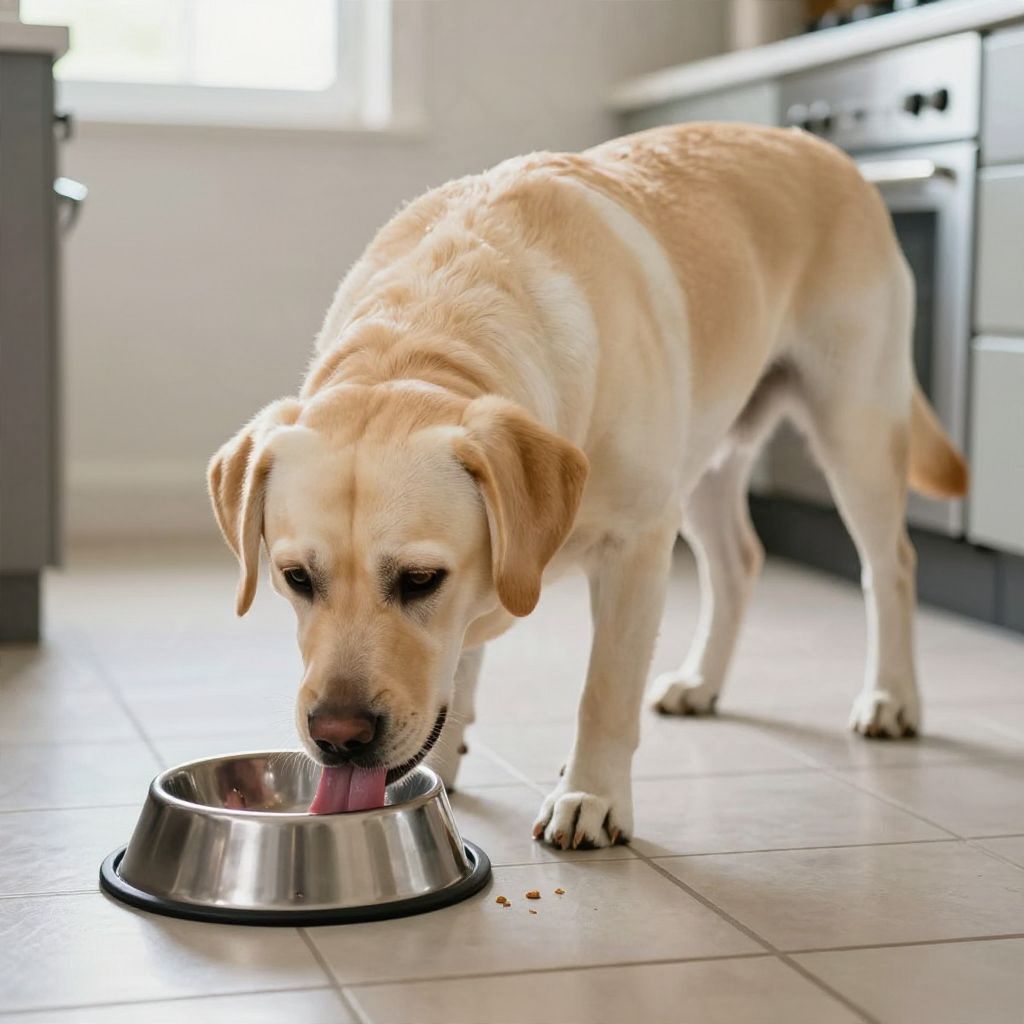
Why is my dog licking the floor? In many cases, it’s a brief response to crumbs, smells, or boredom. But repeated floor licking can also point to nausea, anxiety, pain, dental problems, or a medical issue that needs attention.
The key is to notice how often it happens, what else your dog is doing, and whether there are warning signs like vomiting, drooling, or changes in appetite. Those details help you decide whether this is harmless curiosity or a reason to call your vet.
Why Is My Dog Licking The Floor?
Dogs lick the floor for several reasons, including food residue, interesting odors, stress, boredom, nausea, dental discomfort, or an underlying health problem. Occasional licking is often harmless, but frequent or sudden floor licking—especially with other symptoms—can signal that your dog needs a veterinary checkup.
Common Reasons Dogs Lick The Floor
1. They found a smell or taste
Dogs have a powerful sense of smell, and even a tiny trace of food, grease, cleaning product residue, or spilled liquid can attract them. Some dogs will also lick textured surfaces simply because they detect something interesting there.
2. They are looking for food
If your dog recently ate near the area, dropped crumbs, or noticed a spill, floor licking may be a simple scavenging habit. This is more likely in food-motivated dogs, puppies, and dogs with a history of counter-surfing or scavenging.
3. They are bored or under-stimulated
Some dogs lick floors as a self-soothing or attention-seeking behavior. If your dog lacks exercise, enrichment, or mental stimulation, repetitive licking can become a habit.
4. They feel anxious or overstimulated
Stress can show up as repetitive behaviors, including licking floors, walls, or furniture. Changes in routine, visitors, loud noises, confinement, or separation stress may all contribute.
5. They may feel nauseous
One common medical reason for floor licking is nausea. Dogs may lick surfaces, swallow repeatedly, drool, eat grass, or seem restless before vomiting or when their stomach feels unsettled.
6. They have mouth discomfort or dental disease
Dental pain, gum inflammation, a broken tooth, or something stuck in the mouth can make a dog lick surfaces more often. You may also notice bad breath, pawing at the mouth, chewing on one side, or reluctance to eat hard food.
7. They have a gastrointestinal issue
Repetitive licking can sometimes be linked to stomach or intestinal discomfort. If your dog also has vomiting, diarrhea, reduced appetite, or abdominal pain, the licking may be part of a broader digestive problem.
8. It has become a compulsive habit
In some dogs, licking starts for a simple reason and then becomes repetitive even after the original trigger is gone. Compulsive behaviors can be influenced by stress, genetics, environment, and long-term reinforcement.
When Floor Licking Is Normal And When It Is Not
Occasional floor licking is often normal if your dog briefly investigates a spill or crumb and then moves on. It becomes more concerning when it is frequent, intense, hard to interrupt, or paired with other changes in behavior or health.
Usually less concerning
- Brief licking after a meal or spill
- Curiosity in a new environment
- Short-lived licking that stops when the area is cleaned
- Occasional licking without other symptoms
More concerning
- Repeated licking in the same spot or throughout the day
- Licking plus drooling, lip-smacking, or swallowing
- Vomiting, diarrhea, or loss of appetite
- Signs of pain, restlessness, or lethargy
- Bad breath, red gums, or trouble chewing
- Sudden behavior changes in an adult or senior dog
Red-Flag Symptoms That Need A Vet Promptly
Contact a veterinarian promptly if floor licking is accompanied by symptoms that suggest illness or pain. Seek urgent care right away if your dog has repeated vomiting, a swollen belly, collapse, trouble breathing, severe lethargy, blood in vomit or stool, or possible exposure to a toxin or foreign object.
- Repeated vomiting or retching
- Bloated or painful abdomen
- Refusing food or water
- Weakness, shaking, or collapse
- Excessive drooling or trouble swallowing
- Seizures or unusual disorientation
- Known ingestion of chemicals, medications, or harmful foods
What You Can Do At Home
If your dog is otherwise acting normal, start by looking for simple triggers and making the environment less rewarding for licking. These steps can help you figure out whether the behavior is a habit, a response to boredom, or a sign that your dog needs medical care.
- Clean the area thoroughly. Remove food residue, spilled drinks, and cleaning-product film that may be attracting your dog.
- Watch for patterns. Note when the licking happens, where it happens, and whether it follows meals, stress, or play.
- Check for other symptoms. Appetite changes, drooling, vomiting, diarrhea, coughing, bad breath, or pain matter.
- Redirect calmly. Offer a chew-safe toy, a food puzzle, or a short training session instead of scolding.
- Increase enrichment. More walks, sniffing time, training games, and puzzle feeders can reduce boredom-related licking.
- Keep unsafe items away. Store cleaners, food scraps, and anything sticky or scented out of reach.
What Not To Do
It is tempting to assume floor licking is “just a weird habit,” but repeated licking can be a clue. Avoid punishment, since it can increase stress and make the behavior harder to interpret. Also avoid giving human medications or home remedies without veterinary guidance.
- Do not punish or yell at your dog for licking
- Do not assume it is always behavioral
- Do not delay care if vomiting, pain, or lethargy is present
- Do not let your dog keep licking a potentially contaminated surface
How Age, Breed, And Temperament Can Affect Floor Licking
Any dog can lick the floor, but the reason may vary with age, personality, and health status. Puppies often explore with their mouths, while senior dogs may be more likely to show nausea, dental disease, or other medical issues that change behavior.
Puppies
Puppies are naturally curious and may lick floors as part of exploration. Still, frequent licking in a puppy can also happen if they are hungry, overstimulated, or exposed to a surface that smells like food.
Adult dogs
In adult dogs, repeated floor licking is more likely to reflect habit, boredom, anxiety, or a medical issue that has developed over time. A sudden change in a dog’s normal behavior deserves attention.
Senior dogs
Older dogs may lick floors because of nausea, oral pain, cognitive changes, or other age-related health concerns. If a senior dog starts licking more often than usual, it is worth discussing with your veterinarian.
How A Veterinarian May Evaluate It
If the licking is frequent or comes with other symptoms, your vet may ask about diet, recent changes at home, exposure to toxins, and your dog’s overall health history. Depending on the situation, they may recommend an oral exam, physical exam, or additional testing to look for digestive, dental, or neurological causes.
Bring helpful details if you can: when the licking started, how long it lasts, whether it happens after meals, and whether your dog has vomited, lost weight, or changed appetite. A short video of the behavior can also be useful.
How To Reduce The Behavior Safely
If your vet rules out a medical cause, behavior management can help. The goal is not to punish the licking, but to make it less rewarding and replace it with healthier outlets.
- Feed meals on a consistent schedule
- Use puzzle feeders or scatter feeding when appropriate
- Offer daily exercise suited to your dog’s age and fitness
- Provide chew toys that are safe for your dog’s size and chewing style
- Teach a simple “leave it” cue with reward-based training
- Reduce stressors where possible, especially during routine changes
If anxiety seems to be driving the behavior, a certified trainer or veterinary behaviorist can help you build a plan that uses positive reinforcement and safe management.
Bottom Line
Why is my dog licking the floor? Sometimes it is just a response to crumbs, smells, or boredom, but frequent licking can also point to nausea, dental pain, anxiety, or another health problem. Watch for other symptoms, clean the area, and call your vet if the behavior is persistent or accompanied by red flags.
If you want to compare this behavior with other licking habits, you may also find these articles helpful: why dogs lick the couch and why dogs lick their paws so much.