
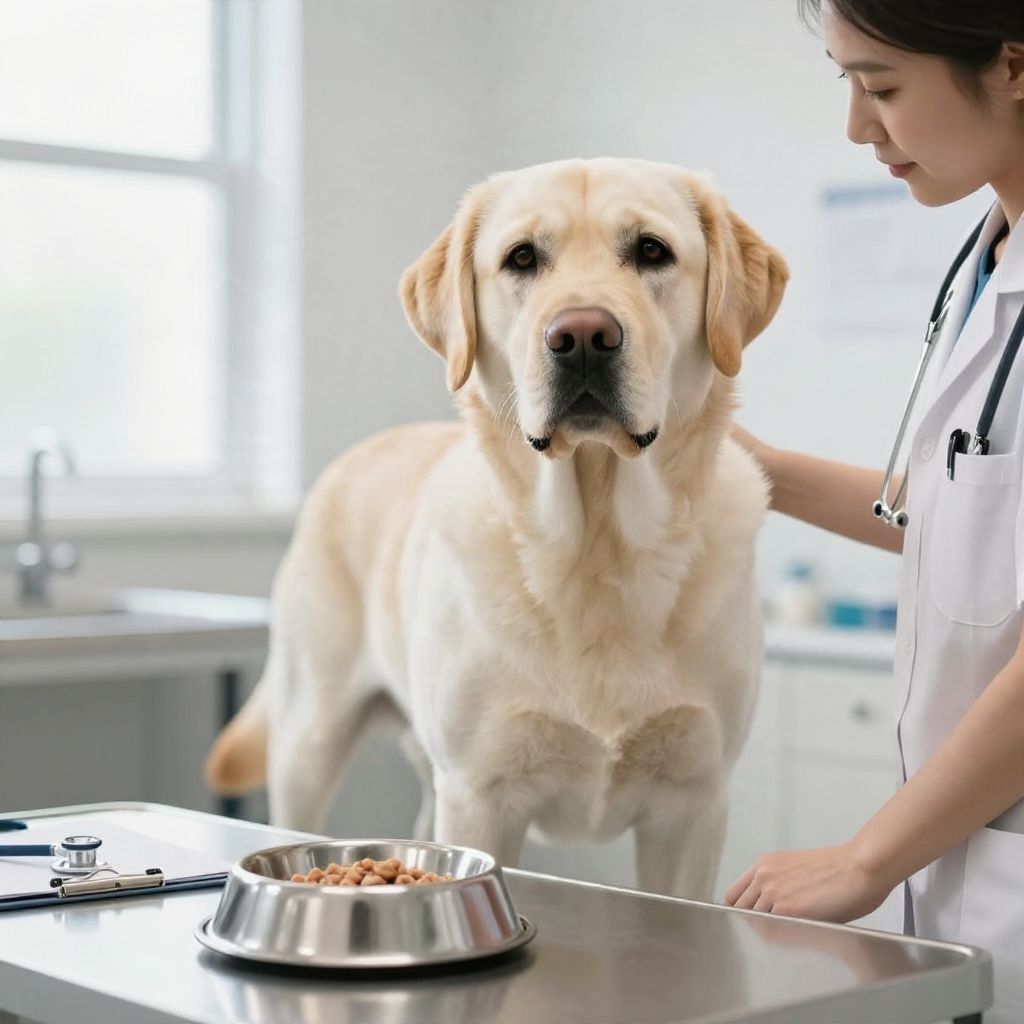
If your dog gets itchy, gassy, or develops ear problems after eating chicken, you may be wondering whether chicken is the cause. Yes, dogs can be allergic to chicken, but not every reaction after a meal means a true food allergy.
The key is to watch for patterns, rule out other causes, and work with your veterinarian if symptoms keep happening. A careful diet history and a proper plan are the safest way to figure out what your dog can eat.
Can dogs be allergic to chicken?
Yes. Dogs can develop an allergy or intolerance to chicken, just as they can with other animal proteins or ingredients. Common signs include itchy skin, recurrent ear infections, licking paws, vomiting, or diarrhea after eating chicken-containing food. A veterinarian can help confirm the cause and guide a safe diet change.
What a chicken allergy in dogs can look like
Food allergies in dogs often show up as skin and ear problems first, though digestive signs can happen too. Symptoms may be constant or come and go, and they can overlap with fleas, environmental allergies, or infections.
Common signs to watch for
- Itchy skin, especially around the face, paws, belly, or ears
- Frequent paw licking or chewing
- Red, inflamed skin or hot spots
- Recurrent ear infections or head shaking
- Vomiting or loose stools after meals
- Gas, stomach upset, or reduced appetite
Some dogs show only one symptom, while others have several. The pattern matters more than a single episode, especially if the problem keeps returning after chicken meals or treats.
When it may not be a chicken allergy
Not every reaction means chicken is the problem. Dogs can also react to fleas, pollen, dust mites, yeast, bacterial infections, or a sudden diet change.
- Itching without stomach upset can still be a food allergy, but it is not specific to chicken.
- Vomiting once may be caused by eating too fast, rich food, or another digestive issue.
- Ears that smell or ooze often need veterinary treatment, even if food is part of the picture.
How veterinarians figure out whether chicken is the trigger
There is no simple at-home test that reliably confirms a chicken allergy in dogs. The most dependable approach is a veterinary-guided elimination diet followed by a controlled reintroduction of ingredients, if your vet recommends it.
Why an elimination diet matters
An elimination diet helps determine whether your dog improves when chicken is removed from the diet completely. This usually requires strict consistency, because even small amounts from treats, flavored medications, or table scraps can confuse the results.
- Choose a diet your veterinarian recommends.
- Feed only that diet for the full trial period.
- Avoid all other proteins, treats, flavored chews, and table food unless approved by your vet.
- Track symptoms, stool quality, and scratching patterns.
- Follow up before making long-term changes.
Because other skin and digestive conditions can look similar, your veterinarian may also check for parasites, infections, or other medical issues before assuming food is the cause.
What to do if you suspect your dog is allergic to chicken
If you notice a repeatable pattern after chicken-based meals, stop offering chicken treats and contact your veterinarian. Sudden diet changes can help reduce exposure, but a complete plan is better than guessing and switching foods at random.
Practical steps you can take now
- Write down what your dog ate, including treats and chews.
- Note when symptoms started and how long they lasted.
- Check labels for chicken, chicken fat, chicken broth, poultry, or “natural flavoring” that may contain poultry ingredients.
- Keep your dog on a consistent diet until you speak with your vet.
- Bring photos of rashes, ear discharge, or stool changes to the appointment.
If your dog is already on a prescription or limited-ingredient diet, do not switch foods without veterinary advice. Some dogs have more than one sensitivity, and changing foods too quickly can make the picture harder to read.
Are chicken-free diets always the answer?
Not necessarily. Some dogs truly do better without chicken, but the best diet depends on your dog’s age, size, activity level, and medical history. A chicken-free food is only helpful if it is still nutritionally complete and appropriate for your dog.
What to look for in a replacement diet
- A diet that is complete and balanced for your dog’s life stage
- Clear ingredient labeling
- Consistency across meals and treats
- Veterinary guidance if your dog has other health issues
Some dogs do well on a novel-protein or hydrolyzed diet, but the right choice depends on your veterinarian’s recommendation and your dog’s history. Avoid assuming that “grain-free” automatically means safer or better for allergies.
Chicken allergy, chicken intolerance, or something else?
People often use “allergy” and “intolerance” interchangeably, but they are not always the same. An allergy involves the immune system, while an intolerance is more of a digestive sensitivity. The symptoms can overlap, so the distinction usually requires veterinary evaluation.
Why the difference matters
- Allergy often causes itchiness, skin inflammation, and ear issues.
- Intolerance more often causes vomiting, gas, or diarrhea.
- Both can make your dog uncomfortable and both deserve attention.
Even if your dog only has mild signs, repeated exposure can keep the problem going. Early veterinary guidance can save time, reduce discomfort, and prevent unnecessary food changes.
Can puppies be allergic to chicken?
Yes, puppies can show signs of food sensitivity or allergy, although some digestive upset in puppies is caused by diet changes, parasites, or infections rather than chicken itself. Because puppies are still growing, it is especially important not to make major diet changes without veterinary guidance.
If a puppy has persistent diarrhea, vomiting, poor growth, itching, or recurrent ear problems, contact your vet promptly. Young dogs can dehydrate quickly, and ongoing digestive issues can affect nutrition.
What about dogs with other health concerns?
Dogs with skin disease, chronic ear infections, or sensitive stomachs may need a more careful workup because those conditions can hide a food allergy. Senior dogs can also develop new sensitivities, so age does not rule chicken in or out.
Extra caution is important if your dog has:
- Repeated skin infections
- Chronic ear inflammation
- Inflammatory bowel disease or ongoing digestive issues
- Multiple suspected food triggers
- A history of severe vomiting or poor appetite
In these cases, your veterinarian may recommend a more structured diet trial and follow-up exams to separate allergy from other disease processes.
When chicken is not the problem but still causes trouble
Sometimes the issue is not chicken as a protein, but the way it is prepared. Fried, heavily seasoned, processed, or fatty chicken can upset a dog’s stomach even if the dog is not allergic.
Watch out for these common mistakes
- Sharing seasoned chicken from your plate
- Giving chicken skin, breading, or greasy leftovers
- Using treats that contain hidden poultry ingredients
- Switching foods repeatedly without a plan
- Assuming “natural” or “premium” means allergy-safe
Plain, properly prepared chicken may be tolerated by many dogs, but that does not mean it is right for every dog. If your dog reacts after any chicken-containing food, stick with your veterinarian’s advice instead of testing it repeatedly at home.
When to seek urgent veterinary care
Most chicken allergy signs are not immediate emergencies, but some symptoms need prompt attention. Severe reactions or sudden illness should never be watched at home if your dog is struggling to breathe, collapsing, or cannot keep water down.
- Facial swelling
- Difficulty breathing
- Repeated vomiting
- Severe diarrhea, especially with blood
- Weakness, collapse, or extreme lethargy
- Signs of dehydration, such as dry gums or marked tiredness
If your dog has any of these red-flag signs, contact an emergency veterinarian right away.
How to manage life after a chicken allergy diagnosis
If your veterinarian confirms or strongly suspects chicken allergy, the goal is simple: avoid chicken consistently and feed a complete diet your dog can tolerate. That usually means reading labels carefully and being consistent with treats, chews, and medications.
Helpful long-term habits
- Keep a list of safe foods and treats.
- Tell family members and pet sitters what your dog cannot eat.
- Ask your vet before giving flavored supplements or medications.
- Monitor for returning itchiness, ear issues, or stool changes.
- Schedule follow-up visits if symptoms come back.
Some dogs improve quickly once chicken is removed, while others need treatment for skin or ear inflammation in addition to diet changes. Your vet can help you decide what is diet-related and what needs separate care.
Bottom line
Yes, dogs can be allergic to chicken, and the signs often show up as itchy skin, ear problems, vomiting, or diarrhea. The safest next step is to track symptoms, avoid unplanned chicken exposure, and work with your veterinarian on a proper diet trial or diagnosis.
If you want more help understanding chicken in dog food, you may also find what chicken can do to dogs and whether dogs can eat chicken nuggets useful for safer feeding decisions.