
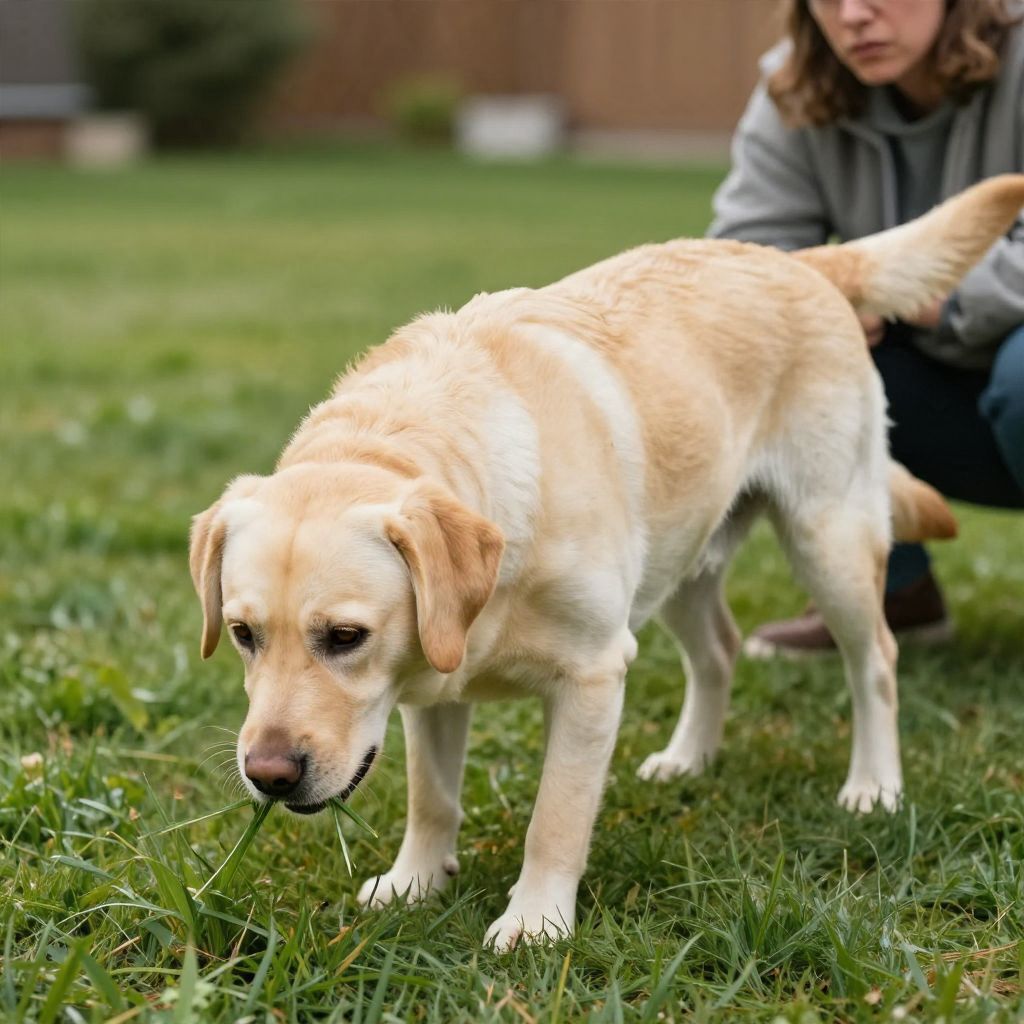
Why does my dog keep eating grass? In many cases, it’s a normal behavior and not a sign of an emergency. Dogs may graze out of boredom, curiosity, habit, or because something in their routine, diet, or stomach is bothering them.
Occasional grass eating is common, but frequent or frantic grazing can point to nausea, stress, parasites, dietary imbalance, or another health issue. The key is to look at the whole picture: how often it happens, whether your dog vomits, and whether any other symptoms are present.
Why does my dog keep eating grass?
Most dogs eat grass for one of a few common reasons: they like the taste or texture, they are bored, they are seeking fiber, or they feel mildly nauseous. If the behavior is new, intense, or paired with vomiting, diarrhea, appetite changes, or lethargy, your veterinarian should evaluate your dog.
Common reasons dogs eat grass
Normal curiosity or habit
Some dogs simply nibble grass while walking, sniffing, or exploring. Puppies and young dogs may do this more often because they investigate the world with their mouths.
Boredom or lack of enrichment
If your dog does not get enough exercise, mental stimulation, or attention, grass eating can become a default activity. This is especially common in dogs that spend long stretches outside with little to do.
Upset stomach or nausea
Many owners notice grass eating before or around vomiting. That does not mean grass is “making” the dog vomit in a helpful way; it may simply be a sign that your dog already feels unwell.
Dietary needs or routine issues
Some dogs may seek out grass if their diet is not satisfying, if meals are irregular, or if they are not getting enough total food for their age, size, and activity level. This can also happen when treats or table food disrupt a balanced diet.
Stress or anxiety
Stress can show up as repetitive behaviors, including grass eating. Changes at home, separation stress, conflict with other pets, or overstimulation on walks may all contribute.
Parasites or other medical problems
Intestinal parasites, gastrointestinal irritation, dental discomfort, and other health concerns can sometimes change a dog’s appetite or behavior. Grass eating alone does not prove a medical problem, but it can be one clue among many.
When grass eating is probably harmless
Grass eating is often less concerning when it is occasional, your dog is otherwise acting normal, and there are no digestive or behavior changes. A dog that takes a few bites during a walk and then moves on is usually not showing a serious problem.
It is more likely to be harmless if your dog:
- Has a normal appetite and energy level
- Is not vomiting repeatedly
- Has normal stools
- Is not losing weight
- Does not seem distressed, restless, or painful
When grass eating could mean something is wrong
Call your veterinarian if the behavior is frequent, sudden, or paired with other symptoms. A dog that keeps eating grass and then vomits once may still be okay, but repeated vomiting or broader illness signs need attention.
Seek urgent veterinary care if your dog has any of the following:
- Repeated vomiting or retching
- A swollen or painful abdomen
- Blood in vomit or stool
- Refusal to eat or drink
- Severe lethargy, collapse, or weakness
- Diarrhea that is severe or persistent
- Signs of choking, trouble breathing, or distress after eating something outside
If your dog may have eaten a toxic plant, lawn chemical, fertilizer, or another unsafe substance while grazing, contact a veterinarian right away.
What to do if your dog keeps eating grass
1. Watch the pattern
Notice when it happens, how long it lasts, and whether it follows meals, walks, stress, or periods of boredom. This information can help your veterinarian or trainer identify the cause.
2. Check for other symptoms
Look for vomiting, diarrhea, drooling, weight loss, increased thirst, changes in appetite, or unusual tiredness. Grass eating plus any of these signs is more concerning than grass eating alone.
3. Review your dog’s diet
Make sure your dog is eating a complete, balanced diet appropriate for their life stage and size. If you have recently changed food, treats, or feeding schedule, that may be part of the problem.
4. Increase enrichment
Many dogs benefit from more structured activity. Try adding:
- Daily walks with sniffing time
- Food puzzles or scatter feeding
- Short training sessions using rewards
- Chew toys that are safe for your dog’s size and chewing style
- Play sessions that match your dog’s energy level
5. Manage access when needed
If your dog is grazing excessively, keep them on leash in risky areas or redirect them before they start. Management is often more effective than trying to “correct” the behavior after it happens.
6. Talk to your vet if it is persistent
Your veterinarian may recommend a physical exam, fecal testing, or other diagnostics depending on your dog’s symptoms. Do not assume grass eating is “just a habit” if it is new or worsening.
How age, size, and individual temperament can matter
Not all dogs eat grass for the same reason. Puppies may do it out of exploration, while adult dogs may do it from habit, boredom, or stomach upset. Senior dogs may develop new grazing behavior if they have digestive changes, nausea, pain, or cognitive changes.
Body size and activity level can matter too. A high-energy dog that gets too little exercise may be more likely to develop repetitive outdoor habits than a dog whose needs are better met. Temperament also plays a role: some dogs are more prone to oral behaviors, scavenging, or stress-related habits.
What not to do
It is tempting to stop grass eating with harsh corrections, but punishment can increase stress and make the behavior harder to read. It can also damage your dog’s trust and does not address the underlying cause.
- Do not assume vomiting is always “good” or “self-cleansing.”
- Do not use punishment to stop grazing.
- Do not rely on home remedies if your dog seems sick.
- Do not let your dog eat grass treated with pesticides, herbicides, or fertilizers.
Could grass eating be related to pica or other compulsive behavior?
Sometimes, yes. If your dog eats grass along with dirt, rocks, sticks, fabric, or other non-food items, the issue may be broader than simple grazing. That pattern can be associated with boredom, anxiety, gastrointestinal discomfort, or a medical problem that needs evaluation.
If you want to read more about related scavenging behavior, see why dogs eat dirt. If your dog also licks their paws a lot, that can point to allergies, irritation, or stress and may be worth discussing with your vet; you can also read why dogs lick their paws so much.
Bottom line
Why does my dog keep eating grass? Often it is harmless and tied to curiosity, boredom, or mild stomach upset, but frequent or sudden grass eating can signal a health issue. Watch for other symptoms, improve enrichment and diet routines, and contact your veterinarian promptly if the behavior is persistent or your dog seems unwell.